

























































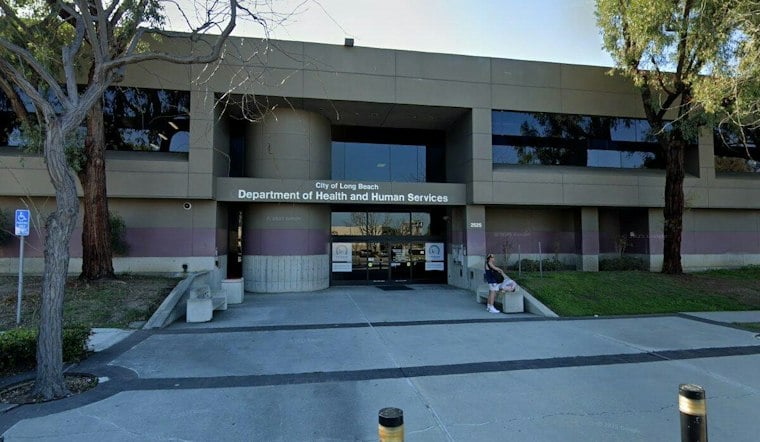
Long Beach health officials confirmed the city's first two flu-related deaths of the 2026-27 flu season Monday, both involving older adults with underlying health conditions. The announcement comes as flu activity across the Los Angeles region is running higher than usual for this time of year, according to local health officials.
As reported by MyNewsLA.com, the Long Beach Health Department said influenza activity in the Los Angeles region is high and higher than usual for this time of year compared with prior seasons. Long Beach operates its own health department separate from the Los Angeles County Department of Public Health, as does Pasadena, meaning the city's flu tally is tracked independently from the county's broader numbers. Officials said Influenza A is driving the earlier-than-usual increase in activity this season, and that flu activity is expected to continue rising as the season progresses.
Regional Numbers Paint a Mixed Picture
The Los Angeles County Department of Public Health has recorded 25 flu deaths so far this season, separate from the two confirmed in Long Beach. Just to the north, Los Angeles County health officials separately announced the county's first two flu-related deaths of the season, according to ABC7 Los Angeles, which reported that one of those patients had not received a flu shot while the other was vaccinated only a week before symptoms began. The outlet also noted that flu activity in the county is higher than usually seen for this time of year.
Lab data backs that up. For the week ending Oct. 10, 7.9% of specimens tested at county laboratories came back positive for flu, and emergency department visits for flu-like illness rose to 4.2%, up from 3.8% the week before, per the same ABC7 report. Long Beach health officials said neither patient had been vaccinated against the flu.
Season Started Unusually Early
The surge isn't confined to the LA area. Flu activity in Los Angeles County began rising in September, well ahead of its typical early-November start, according to the Los Angeles Times. But Dr. Dawn Terashita cautioned in that report that an early start alone isn't an indicator the season will turn out more severe. Nationally, the CDC's Week 45 update described seasonal flu activity as increasing in many parts of the country but still low overall, according to the CDC.
Other California counties have reported their own losses this fall. San Bernardino County confirmed the county's first pediatric flu-related death of the season, per CBS Los Angeles, which reported the child had underlying medical conditions and was too young to receive the flu vaccine. San Francisco reported the city's first flu death in early October, while San Diego County had recorded 11 flu-related deaths and 516 hospitalizations by late October — compared with just two deaths and 86 hospitalizations at the same point the previous year, according to Patch.
Statewide Toll Climbs, Mutation Still Unclear
California had already reported 198 influenza deaths as of Nov. 14, according to the California Department of Public Health, which also confirmed that influenza activity in the Los Angeles region is high compared with prior seasons. Three pediatric flu deaths have been reported statewide this season, including two in San Diego County and one in San Bernardino County, per Patch's reporting. Researchers have not determined whether a circulating mutation, identified as G155E, is responsible for the early surge or whether it will make infections more severe, the outlet reported — a question that remains unresolved. California's West Coast Health Alliance has recommended annual influenza vaccination for everyone 6 months and older.
Long Beach health officials echoed that guidance, urging residents aged 6 months and older to get an annual flu vaccine. Flu season is typically most active from October through March, and officials note that symptoms generally include fever, chills, body aches and coughing. While most cases resolve on their own, health officials stressed that the flu virus can be life-threatening for some people, particularly those who are older or have underlying health conditions.




