

























































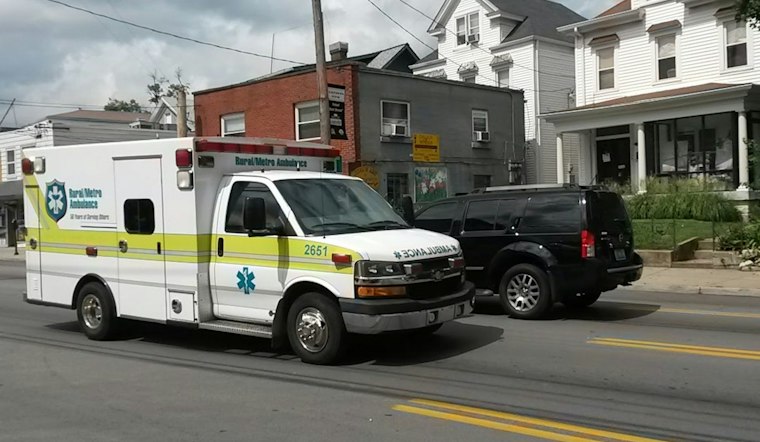
Louisville Metro let its ambulance-services agreement with AmeriPro Health expire on Oct. 31, 2026. The decision leaves two distinct questions: what the reported savings estimate represents, and how the city will cover the work AmeriPro had been doing. Metro said its operational needs had changed, but has not publicly detailed a post-contract staffing plan in the information reported by The Courier-Journal.
The newspaper calculated that AmeriPro’s work saved the city a little over $2 million during 10 months. That is a reported estimate, not a figure shown in Metro’s procurement listing or an accounting of all charges paid by patients, insurers or the city. The agreement began Nov. 1, 2025, and allowed AmeriPro to bill patients for transports rather than charge Metro directly, according to the report.
The agreement’s terms
The agreement ran from Nov. 1, 2025, through Oct. 31, 2026. Its renewal options and patient-billing terms were described in The Courier-Journal’s reporting.
Billing rules also do not fill that gap. The Centers for Medicare & Medicaid Services’ Medicare Benefit Policy Manual says payment for covered ambulance services is based on the lower of the actual billed amount or the ambulance fee schedule amount. It also says providers furnishing Medicare-covered services generally must submit claims to Medicare and accept assignment of the beneficiary’s right to payment. Those rules do not show what AmeriPro billed in Louisville, the payer mix, or how the newspaper derived its estimate.
The operational handoff is still unresolved
The Courier-Journal reported that AmeriPro hired 32 people for the Louisville operation, began responding to street calls in January after integration delays, and cared for nearly 8,000 patients through October. Requests for its service rose to nearly 10,500 during that period; about 2,500 were canceled before crews arrived, and the company transported roughly 6,732 patients. The report said AmeriPro received notice that the agreement would not be renewed 36 hours before it expired. Metro did not answer the newspaper’s questions about its hiring numbers or when new EMS hires would begin serving Jefferson County, leaving the transition details unclear.
State figures offer limited context, not a diagnosis of Louisville’s needs. A July 30, 2024, Kentucky Board of Emergency Medical Services presentation reported that 21% of prehospital providers would not renew their licenses and that annual ambulance-transport requests were 31,006 higher than five years earlier. Those statewide measures predate AmeriPro’s Louisville service and do not show why Metro concluded that its operational needs had changed.


