

























































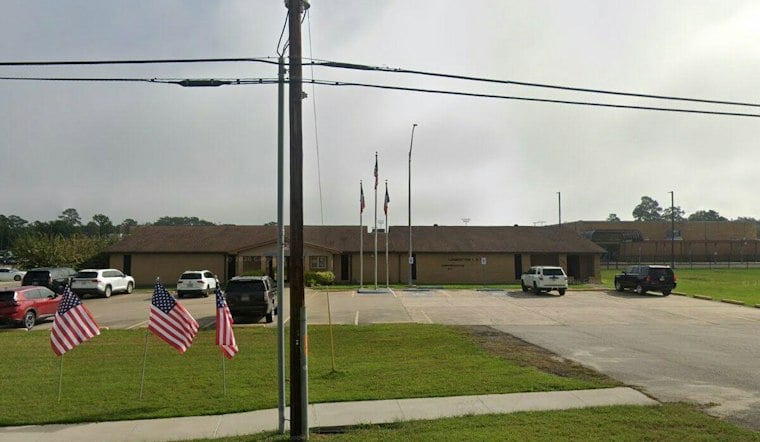
Lumberton ISD voters shot down a proposed tax-rate increase this week, leaving the district staring at a projected $1.5 million annual operating shortfall with no clear plan yet for how to close it. Unofficial Hardin County results showed the measure lost by a solid margin, with district officials saying they would now have to reconsider their financial options.
According to Yahoo, 4,006 voters opposed the Voter-Approval Tax Rate Election, or 53.26%, compared with 3,516, or 46.74%, who supported it. The district confirmed it will not receive the additional local revenue or the state funding tied to the proposal, since it failed at the ballot box. As reported by KBTV Fox 4 Beaumont, Superintendent Dr. John Mathews said Lumberton ISD respects the community's decision and appreciates the turnout for the election.
The ballot measure asked voters to approve a six-cent increase to the district's Maintenance and Operations, or M&O, tax rate, while simultaneously lowering the Interest and Sinking, or I&S, debt rate by five cents — a net increase of just one cent. For homeowners, that would have worked out to roughly $10 per year for every $100,000 of taxable property value after exemptions, per the same account. The M&O rate makes up part of a district's overall property tax rate and funds day-to-day operations, including salaries, utilities and supplies, while a VATRE is the specific mechanism Texas school districts must use to raise that rate above a state-mandated threshold — intended, in theory, to ensure any such increase carries community support.
A Shortfall Years in the Making
Lumberton ISD had warned ahead of the vote that it was grappling with rising costs, declining enrollment and a state funding system that had not kept pace with the price of running schools, according to a Lumberton ISD statement. The district's enrollment has dropped by 243 students since fall 2025, the article notes, a trend that chips away at state funding tied to student headcounts. Mathews said in that same statement that providing even modest employee raises would create a new budget shortfall under current conditions.
Before the election, Lumberton ISD said it had already identified nearly $900,000 in budget reductions without cutting any current student programs or services. Nearly $390,000 of those savings came from leaving positions vacant, the district noted. Officials said the district had also leaned on lower insurance costs and reviews of transportation, maintenance and technology spending to trim expenses further.
What Happens Without the Extra Funding
With the measure's failure, the Lumberton ISD Board of Trustees will consider additional budget reductions, as the district said it would do if voters turned down the proposal. The district had estimated the VATRE under consideration could generate approximately $2.62 million annually, with most of that funding coming from the state, though a separate account of the rejected measure put its additional operating revenue at about $2.5 million annually. Mathews said the district remains committed to its students, staff and families, and the Board of Trustees will continue evaluating financial options while prioritizing student success and responsibly managing resources. Lumberton ISD also expressed gratitude for continued support from the Raider community.
Part of a Broader Pattern Across Texas
Lumberton ISD's result mirrors a wave of VATRE rejections across the state this election cycle. In the San Antonio area, four of five school districts with VATREs on the 2026 midterm ballot had lost their bids as of early Wednesday, with a fifth too close to call, according to TPR. That outlet reported that all but one of five similar San Antonio-area measures also failed in 2025, and that districts statewide have increasingly turned to VATREs amid flat state funding, rising costs and revenue losses tied to declining enrollment.
The stakes of those failures can be substantial. Northside ISD had estimated its 2026 VATRE would have brought in $21.5 million in annual local revenue plus another $24 million from the state, per TPR, but because the measure failed, a compensation package trustees had already approved in June will not go into effect. Bastrop ISD voters likewise rejected a 1.3-cent tax-rate increase for the 2026-27 fiscal year, with unofficial results showing 66.33% opposed, according to Community Impact. That district's chief financial officer, Mike White, had said the increase would have generated about $6 million annually, including $2.4 million in local tax collections and $3.6 million in additional state funding.
For now, Lumberton ISD has not said publicly what specific cuts it might pursue or when trustees plan to act. The district's statement framed the path forward as one of continued evaluation rather than immediate decisions, leaving families and staff to wait for details on how the $1.5 million gap will ultimately be addressed.



