

























































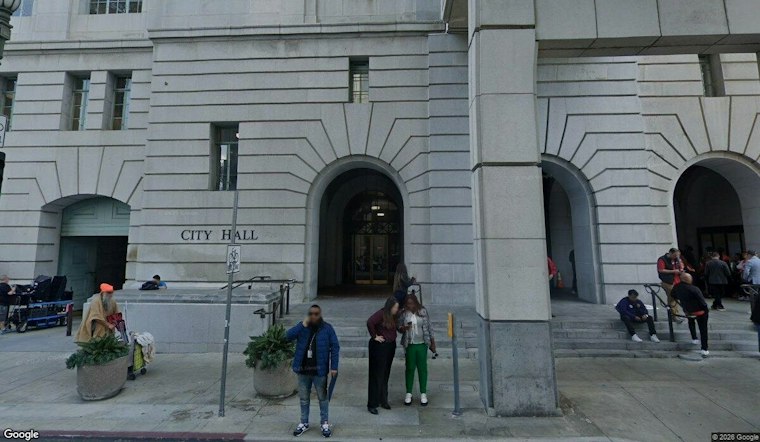
Malibu's City Council voted 4-1 on Nov. 9 to keep alive a proposed tax district meant to fund recovery in the part of the city burned by the Palisades Fire — even though most members who voted yes said they actually oppose the idea. The motion does not create the district. It simply directs city staff to keep the process moving toward a formal decision in January, while a resolution of intention comes back to the council on Nov. 23.
A Reluctant Majority Keeps the Door Open
According to the Santa Monica Daily Press, Mayor Bruce Silverstein made the motion to keep the proposed Malibu Disaster Recovery District alive, even as he called the concept itself fracturing and divisive because it would set aside general fund money for one part of the city. Silverstein said he voted for the motion to keep a promise to incoming council member Danny Smith, pledging to support Smith on rebuilding issues if he won his seat. Smith appears to have won a council seat, leading fellow candidate Marianne Riggins by 81 votes in the Los Angeles County count posted Nov. 9, though the county is not set to certify results until Nov. 27.
Silverstein added that he hoped the council would later reverse its decision to proceed, and said the election was largely about people in east Malibu standing up for what they wanted. Council member Doug Stewart voted reluctantly yes, but was sharply critical of the underlying plan. “There is no free money in this. This is our money,” Stewart said, according to the same report. He argued that Malibu could pay for recovery in cash and did not need the district at all, and compared the arrangement to a payday loan.
What the District Would Actually Cover
The proposed district would span about 1,540 acres, roughly 12% of the city, encompassing 1,412 properties, 755 of which were significantly damaged or destroyed. Staff estimate it could generate up to $112 million over its 50-year life, but only if Los Angeles County matches the city's proposed pledge of 50% of new property-tax revenue from the area — a condition that remains unresolved. The district's assessed value fell from about $4.29 billion before the fire to roughly $3.31 billion afterward, a 23% drop, per the staff report cited by the Daily Press.
A draft resolution would allow Malibu to commit up to 75% of new property tax revenue to the district, and the staff report notes the district would receive most of its revenue only in the second half of its 50-year term. The report also lists four county water projects valued at $48 million as potential uses of the money. Stewart specifically objected to county-proposed projects that include water tanks for Water District 29, noting that the district already raised water rates 30% to pay for tanks and infrastructure, and questioning why Malibu's fund should subsidize county-level work.
Stewart Says the Numbers Don't Add Up
Stewart estimated that under a 20-year rebuild scenario, $114 million in future revenue is worth only about $21 million today once split between Malibu and Los Angeles County, and argued the district's projections overstate the city's financial gain. He said no one had identified an actual project that requires the district's money, and suggested Los Angeles County, not Malibu, is the entity that needs it. Malibu's general fund revenue, meanwhile, has grown from $59 million before the fire to $65 million, according to the staff report.
The city's own Administration and Finance Subcommittee recommended against the proposed district. Council member Steve Uhring cast the lone no vote on the Nov. 9 motion, saying he questioned leveraging future revenue against money the city does not currently need. He also criticized Silverstein's reasoning for supporting the motion, saying, “I just think abdicating your responsibility to make a decision to something that Danny Smith wants to do is a bad move.”
Not Everyone on the Council Is Opposed
Marianne Riggins voted yes, but noted that three of the district board's proposed five members would not be elected by Malibu voters — the board would include two council members, a county supervisor, and two public members, and could issue bonds. Riggins will miss the Nov. 23 meeting, where the resolution of intention is slated for adoption.
Council member Haylynn Conrad backed the motion largely because the council retains the ability to reject the district later. She said she had personally opposed giving up more local control for two years, but added that public commenters conveyed real desperation for upgraded infrastructure, water, and basic survival needs in the burned community. Malibu has until Jan. 7, 2027, to start the formal district process, under the framework established by Senate Bill 782, which allows cities recovering from a declared disaster to form districts capturing growth in property tax revenue as damaged homes are rebuilt and reassessed. Such districts can fund infrastructure and other projects meant to reduce future disaster risk.
A Similar Fight Is Playing Out in the Palisades
Malibu is not alone in weighing this financing tool. A parallel disaster-recovery-district proposal for Pacific Palisades is advancing in Los Angeles, where the City Council's Budget and Finance Committee voted unanimously on Nov. 17 to move it forward, according to the Palisadian-Post. That proposal would direct future growth in property-tax revenue from the fire-affected area toward recovery projects instead of the city's general fund, and an expert quoted by the outlet noted the district could issue bonds as a governance vehicle for planning and investment.
The scale of the numbers being discussed for the Palisades dwarfs Malibu's. A city feasibility study estimated the Palisades district could generate between $325 million and $1.9 billion for infrastructure and recovery projects, while a separate report found the district could raise between $121 million and $817 million over the next decade through incremental property taxes and possible matching funds, the Palisadian-Post reported separately. Los Angeles is recommending that its version of the district capture tax-increment increases for 25 years and limit eligible spending to gap financing for FEMA-reimbursable projects, according to another Palisadian-Post account of the committee's deliberations.
For Malibu, the path forward stays unsettled. The resolution of intention is scheduled to come before the council on Nov. 23, with the underlying decision on whether to actually establish the district pushed to a second meeting in January — leaving the same divided council to revisit a plan most of its own members say they don't want.




