

























































New York City Mayor Zohran Mamdani has offered the first details of a plan to help roughly 200 horse-carriage drivers, owners and stablehands transition into new careers before a citywide ban on the industry takes effect. The framework, outlined Tuesday, pairs workforce training with potential medallion buybacks as the clock runs down on an industry that has shaped Central Park's streetscape for generations.
What the Transition Plan Covers
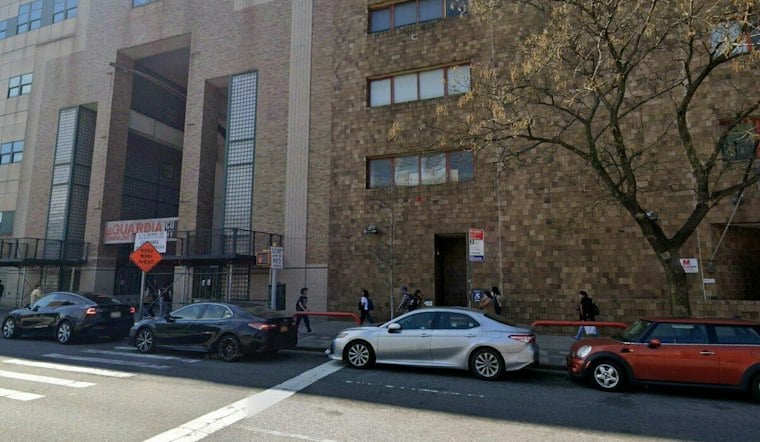
According to abc7ny.com, the plan includes financial support for medallion owners and career training, education, and job placement services for affected workers. The outlet reports the effort is designed to help about 200 workers move into new careers through counseling, job training, tuition assistance and employer connections. The program will reportedly be operated by LaGuardia Community College and supported by the city's Department of Small Business Services.
City officials also hope to facilitate medallion buybacks and will work with horse carriage workers and the Transport Workers Union as the plan develops, the station's report notes. Mamdani has directed his administration to study whether electric carriages and electric pedal-assist bicycles could serve as alternatives in and around Central Park, according to the same account. As first reported by PIX11, Mamdani offered these early details on Tuesday in New York City.
Compensation Talks Still Open
Exactly how medallion owners will be compensated remains unsettled. Mamdani said conversations are ongoing about what form the compensation would ultimately take, according to City & State New York. The outlet reports that the roughly 200 carriage owners, drivers and stablehands who depend on the industry are at the center of the law's requirements, which instruct the mayor to consider a program to compensate horse-drawn cab owners for the value of their business, license and equipment.
Per PIX11, a workforce development push tied to the transition framework would include career training, educational pathways and stipends, and carriage drivers would be able to design personalized education and training programs suited to their needs and interests. LaGuardia Community College president Kenneth Adams pledged the college would help each driver and worker train for a new trade or career, PIX11 reports.
Timeline Toward the 2028 Ban
Mamdani said most transition-plan details would be provided in April 2027, PIX11 reports, a timeline that lines up with City & State's reporting that a workforce transition program to help industry workers find new jobs must be created by that same month. Licensed owners of carriage horses must certify to the city that they will comply with the new rules by March 1, 2027, according to PIX11's account, well ahead of the citywide ban reported to begin in June 2028.
The law behind the ban, known as Romanch's Law, has drawn conflicting accounts of its legislative status. PIX11 reports it was passed and signed into law in October 2026, while abc7ny.com reported it passed the City Council by a 40-7 vote and was still headed to Mamdani's desk for signature. The New York City Council's own announcement described the legislation as intended to wind down horse-drawn carriage operations and prohibit new licenses for them in New York City, according to New York City Council materials from Council Member Carl Wilson's office.
Union Pushback and Drivers' Concerns
The Transport Workers Union has opposed Romanch's Law, and union figure Alexander Kemp said the legislation offered nothing concrete for workers, according to PIX11. Kemp has vowed to take legal action against the law, the outlet reports, though the outcome of any such challenge is not yet known.
Carriage driver Jill Adamski told PIX11 that she and others entered the industry because they care deeply about their horses, and she pushed back on criticism of the trade, saying carriage workers are highly regulated and care for their horses. Her comments came after horse-drawn carriages were seen waiting at an entrance to Central Park on October 14, 2026, per the same report, a familiar scene that will disappear once the ban takes hold.
Looking Ahead to Alternatives
Beyond job training, city officials are also weighing what might replace the carriages themselves. New York City will study alternatives to horse-drawn carriages in and around Central Park, with electric carriages and electric pedal-assist bicycles both floated as possible substitutes, according to PIX11's reporting on Mamdani's remarks. For now, those options remain under review rather than adopted, and the full transition plan is expected by April 2027.





