

























































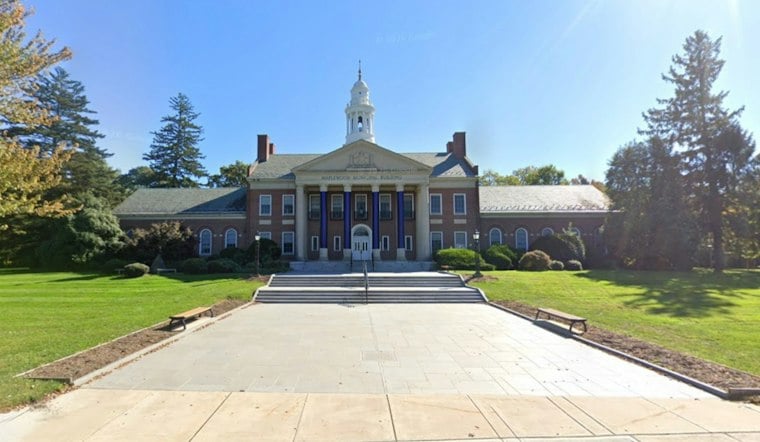
Maplewood Township is preparing to introduce a sweeping rewrite of its rent leveling ordinance, swapping out a formula tied to inflation for a flat 4% annual cap on rent increases. Officials say the rework, the sixth draft of an effort built throughout 2026, would also create a new enforcement officer, expand tenant complaint procedures, and set a reduced 2.5% cap for qualifying senior tenants.
According to TAPinto, the proposal would replace the current system tying allowable increases to the consumer price index with a fixed percentage. Under existing Maplewood Township Code, the maximum annual increase cannot exceed the average CPI increase over the prior three calendar years before a lease or tenancy expires — a formula officials say has grown confusing to apply. Township Committeeman Dean Dafis, who serves as liaison to the Rent Leveling Board, presented the new proposal during the committee's November meeting, per the same TAPinto report.
Dafis said the proposed 4% cap reflects recent CPI trends, which he put at roughly 3.75% to 3.9%, and offers a simpler, more predictable standard than chasing a shifting inflation average. Mayor Victor DeLuca explained that the ordinance aims to protect existing tenants while still giving homeowners reasonable opportunities to maintain and invest in their properties, the report states.
Why Maplewood Says the Current Rules Fall Short
Dafis said recent homeowner and tenant hearings exposed the existing ordinance's insufficient guidance for applications and appeals, leaving some tenant inquiries without an effective process for resolution. The report describes the current ordinance as having confusing provisions, inadequate administrative and enforcement procedures, and insufficient tenant protections overall.
Compounding those gaps, the township's Rent Leveling Board has been without functioning operations since May 2026, the report notes. The proposed overhaul would strengthen tenant protections, establish clearer enforcement procedures, and create what officials describe as a more predictable system for both homeowners and renters.
New Officer, Registration Fees and Board Changes
The proposed system would establish a rent leveling officer tasked with investigating tenant complaints, with issues involving mold, housing conditions or diminished services referable to the appropriate township departments, including health and code enforcement. Separate provisions would address homeowner harassment, improper cost shifting, double billing, housing maintenance standards, and financial hardship applications, the report states.
Homeowners would be required to register covered rental units annually, with a proposed registration fee of $75 per unit. The seed-story account also describes the Rent Leveling Board expanding from four to seven members, though the township's own code currently lists the board as consisting of five members and two alternates appointed by the Township Committee — the evidence reviewed does not clarify how those two descriptions reconcile.
Who Would Be Covered, and Who Would Be Exempt
The proposed ordinance would apply to multifamily buildings as well as certain single-family homes and condominiums owned by corporations, LLCs or investment funds. It would exempt owner-occupied buildings with two or fewer units, individually owned single-family homes, certain income-based housing, and properties already exempt under state or federal law.
Homeowners could adjust rent to fair market value following a voluntary vacancy no more than once in any five-year period, with that fair-market adjustment requiring an application and compliance with registration, housing standards and other ordinance requirements. The new rent set after such an adjustment would become the unit's base rent going forward, with subsequent annual increases subject to the 4% or 2.5% cap. Dafis said the five-year restriction is more restrictive than comparable ordinances, which often allow adjustments every two to three years. Notably, the proposed ordinance would not restore the former vacancy control policy that once permanently removed apartments from rent regulation after a tenant vacancy — a separate change addressed in last year's Maplewood Ordinance 3168-25, which amended the township's rent-control article to remove vacancy decontrol and clarify annual rent adjustments.
The Numbers Behind the Push
Figures presented at the meeting show renters made up 22% of Maplewood households in 2010, rising to approximately 26% by 2020. Maplewood's median gross monthly rent was estimated at approximately $2,269, with approximately 47% of renter households estimated to spend at least 35% of their income on housing costs, according to the same meeting figures.
Dafis was candid about the limits of the policy, saying rent leveling is not a miracle and cannot create affordable housing or guarantee affordable rents on its own. He added that it can help moderate rent increases, promote housing stability and reduce displacement. Township Committee members expressed general support for moving the proposal forward, while raising questions about enforcement, senior-qualification criteria and vacancy adjustments, the report states.
Broader Context Across New Jersey
Maplewood's debate echoes a wider statewide picture. As of 2025, approximately one in five of New Jersey's 564 municipalities had rent control, according to the state Department of Community Affairs as reported by The Jersey Bee, which also notes that more than one-third of New Jersey households rent their homes. Municipalities can set annual rent increases either as a fixed percentage or tied to CPI inflation, the outlet explains — the same choice now before Maplewood.
Nearby Elizabeth offers one example of how contentious these caps can become. Voters there approved a measure restoring a $20 limit on future rent increases with 68% support, according to unofficial returns reported by Gothamist. Elizabeth's former ordinance had capped annual increases at 3% or $20, whichever was less, before the city removed the dollar limit in 2022 in favor of a flat 3% increase; the newly restored $20 cap is expected to apply only in 2027 unless city leaders renew it.
What Happens Next
The Township Committee has indicated its intention to introduce the Maplewood ordinance at its December 1, 2026 meeting, with a public hearing and final vote to follow introduction, according to the TAPinto report. What ultimately happens after that introduction — whether the ordinance is amended, adopted or rejected — has not yet been determined.



