

























































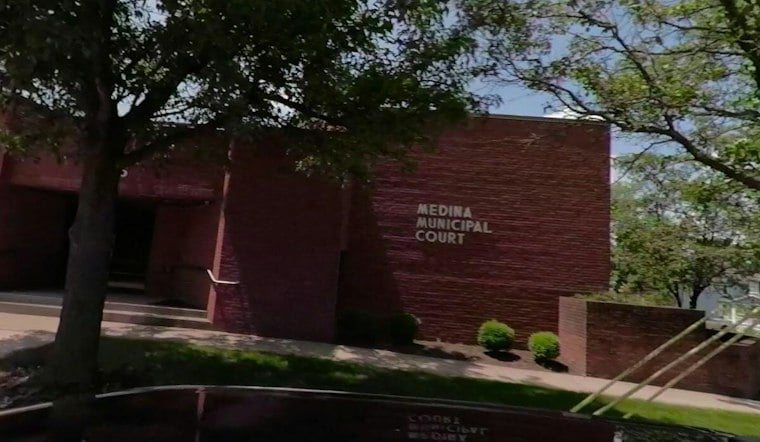
Medina Municipal Court kept registration blocks on nearly 1,700 traffic cases even after Ohio lawmakers outlawed the practice of holding driver registrations hostage over unpaid fines, according to court data obtained by reporters. Some of those blocks pushed people into collections, cost them money, and left them with no clear path to get their plates renewed.
The blocks prevent drivers from renewing their license plates with the state Bureau of Motor Vehicles and can trigger new tickets and fines if someone drives with expired tags, according to The Marshall Project. The outlet reported that court officials in Medina had placed registration blocks on nearly 1,700 traffic cases that remained uncleared, even after Ohio’s House Bill 29 was supposed to wipe such holds away. As Ideastream Public Media reported, attorneys, legal experts and a state lawmaker said the law required Judge Gary Werner to remove those past blocks for unpaid fines and fees.
House Bill 29 took effect on April 9, 2025, eliminating license suspensions and vehicle registration blocks tied to unpaid traffic fines and fees. But in the weeks between the bill’s passage and that effective date, Medina Municipal Court added nearly 950 more registration blocks in traffic cases, according to the same court data cited by the Marshall Project’s reporting.
A Court Caught Between Two Readings of the Law
The dispute centers on whether the new law applied retroactively to blocks that were already in place before April 9, 2025. Legal Aid Society of Cleveland attorneys and a retired judge’s advisory for the Ohio Judicial Conference said House Bill 29 eliminated past registration blocks for unpaid fines and court costs, not just future ones. Medina Clerk of Court Mike Kovac, however, said a Bureau of Motor Vehicles employee told his office that blocks attached before the effective date were not covered by the law.
State records tell a different story about how most of Ohio handled the transition. More than 500 courts across the state removed over 272,000 registration blocks and license suspensions between April 9 and May 9, 2025, the Marshall Project reported, citing state data. Medina Municipal Court, which handles cases for the cities of Medina and Brunswick along with 13 villages and townships in northern Medina County, did not follow that same pattern, according to the outlet’s findings.
The Law Grew Out of a Statewide Investigation
House Bill 29 followed a Marshall Project-Cleveland and News 5 investigation into debt-related license suspensions, which found that the Ohio Bureau of Motor Vehicles issued nearly 200,000 new license suspensions in 2022 for debt-related reasons, including unpaid court fines and missed child support payments. After that investigation published, lawmakers spent months reworking a proposed law to incorporate the findings before passing it in late 2024. The legislation brought Ohio in line with Indiana, West Virginia and Kentucky, which had already eliminated debt-based license suspensions.
Ohio state Representative Darnell Brewer, a Cleveland Democrat who co-sponsored House Bill 29, said Werner disrespected the law by keeping the registration blocks in place. Werner, who has presided over Medina Municipal Court since 2017, did not respond to repeated emails, calls and courthouse visits seeking comment, per the Marshall Project’s reporting.
Drivers Describe Getting Stuck in the System
Andy Mascio said he hit a brick wall trying to get a registration block removed from his wife’s case, even after submitting documents and copies of the state law to the court. Despite that effort, the court added a registration block to her case on April 8, 2025 — one day before House Bill 29 took effect — and then sent the case to a collection agency. The Marshall Project-Cleveland reported finding dozens of other cases in which registration blocks were filed the same day cases were sent to collections.
Brandon Sterrick estimated he had accumulated seven to 10 registration blocks during a difficult period years earlier, and said he could not get answers from the court about why those blocks had not been lifted once the new law took effect. He said he and his mother encountered hostility from a staff member when they tried to request a hearing before Werner. Facebook commenters separately reported that the court’s interpretation had burdened them for 19 months.
Donna Bartolozzi said the blocks cost her money directly, since she had financed her son’s car to keep it in her name. She also said she witnessed a staff member ridicule her son over his disability during an interaction with the court. Kovack said he was surprised by the frustration visitors expressed and said he takes customer service seriously, encouraging people to contact him directly with complaints.





