

























































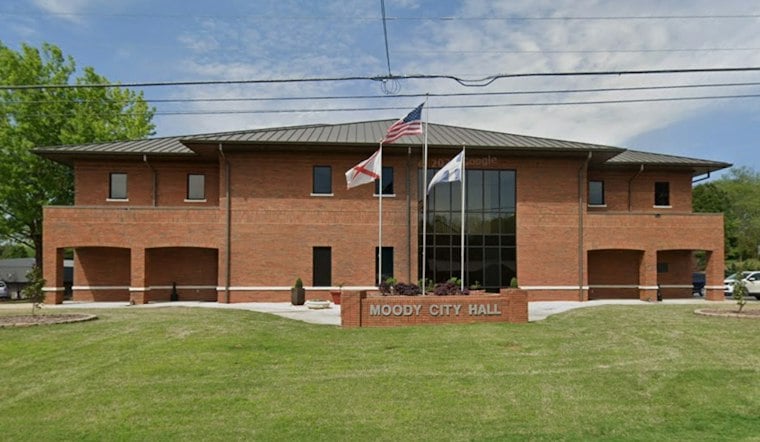
Moody's residential development moratorium remains in place with no announced end date, even as city officials say the zoning overhaul behind it is nearly finished. The freeze on certain housing approvals has stretched on for months while the city works with regional planners to rewrite its development rules, leaving builders and residents waiting for clarity on what comes next.
The moratorium traces back to an ordinance the Moody City Council unanimously adopted on April 27, extending an existing temporary suspension on the consideration or approval of certain residential projects, rezoning requests, site-plan approvals and residential subdivisions within city limits, according to Citizen Portal. That extension followed a Feb. 23 vote in which the council unanimously approved a $62,620 agreement with the Regional Planning Commission of Greater Birmingham to update the city's zoning ordinance and subdivision regulations, with the project funded out of Moody's reserve project fund.
Zoning Rewrite Nears Finish Line, But No Firm Date
Nick Rutledge said Moody is nearing the end of its work with the regional planning commission on ordinance and zoning changes, calling the overhaul nearly complete, according to ABC 33/40. Even so, Rutledge announced no final timeline for completing the work, and the city has not said when the residential development moratorium might be lifted, the station reports. Moody also has not specified which types of residential construction are restricted under the freeze or whether developments that were already approved can move forward.
City notices posted online point to at least part of what's coming. A public hearing before the Moody Planning Commission was scheduled for Nov. 10 to take comments on proposed fully amended and restated subdivision regulations, according to a notice from moodyalabama.gov. The notice states the purpose of the proposed subdivision rules is to address the subdivision development moratorium established by city ordinance M2025-10-13A. A separate notice describes a proposed repeal and replacement of the existing zoning ordinance with a fully amended and restated version, also set for public comment Nov. 10, but it does not establish whether either measure has been adopted.
A Former School Board Member Raises Growth Concerns
David Veasey, who served 12 years on the St. Clair County Board of Education, praised Moody's residential development moratorium, per the same ABC 33/40 report. He said cities can build homes more quickly than schools can expand, and that population growth can outrun school capacity. Veasey did not provide enrollment figures or identify any Moody school currently operating beyond capacity, according to the report.
Moody is served by St. Clair County Schools, which decides attendance zones, staffing and construction, and governs those capacity decisions separately from the city. The station's report notes that the Nov. 9 council meeting included no enrollment projections, classroom capacity figures or presentation from school district officials, and there is no indication that St. Clair County Schools requested the moratorium or participated in revising the zoning regulations.
Building Activity Continues Despite the Freeze
Even with the moratorium in effect, construction activity hasn't stopped entirely. Moody's inspections department reported 82 permits issued and 104 inspections conducted in October, though the report did not specify what types of permits those were.
Moody's broader push to rewrite its ordinances and zoning regulations follows earlier changes the city has made to land-use rules in recent years. In October 2024, the city considered a proposed minimum size of 1,200 square feet for brick-and-mortar homes in agricultural districts and weighed limiting manufactured homes brought into those districts to units no more than eight years old, according to ABC 33/40. That same report noted the proposed changes would not alter regulations for existing homes and properties already in place.
Moody has since moved on other zoning fronts. The city approved amendments requiring vape, hookah and tobacco shops to be located at least 1,000 feet from churches, schools and residential areas, according to CBS 42. The same report confirmed that new single-family homes in agricultural districts are required to have a minimum square footage of 1,200 feet, underscoring the city's broader authority to regulate land use and development even as the housing moratorium's endpoint remains undetermined.



