

























































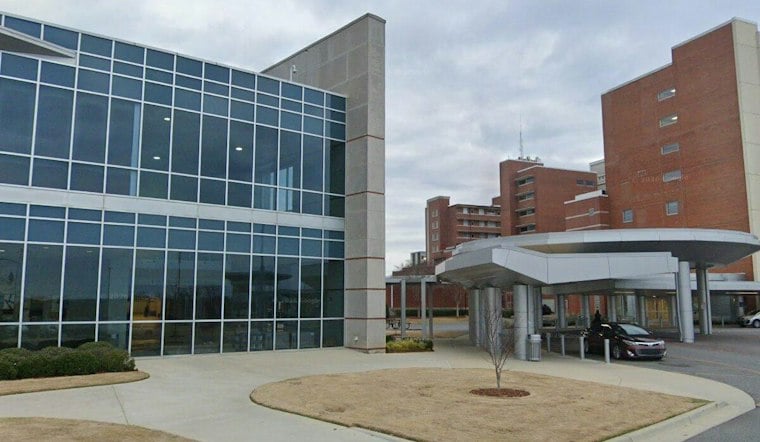
The mother of Alabama quarterback Keelon Russell has filed a wrongful-death lawsuit against AC Hotel Tuscaloosa Downtown and Marriott International, alleging hotel staff failed to properly respond when her daughter, Kierston Russell, suffered a fatal medical emergency in a hotel room on June 3, 2025. April Moore's lawsuit claims an employee never brought an automated external defibrillator or entered the room to help, while attorneys for the hotel and Marriott dispute that account and deny any wrongdoing.
Kierston Russell, the 18-year-old twin sister of the Alabama quarterback, was found unresponsive at the hotel, according to The Tuscaloosa News. The outlet reports she was pronounced dead at 10:48 p.m. after being transported by ambulance to DCH Regional Medical Center, though AL.com reported separately that Kierston died the following day, June 4, 2025, in Tuscaloosa. Moore filed the lawsuit in Tuscaloosa County Circuit Court and is demanding a jury trial, per the same Tuscaloosa News report.
What the Lawsuit and Defense Say Happened That Night
According to a defense timeline cited by the Tuscaloosa News, Moore and her children spent time together in the hotel room earlier that evening, and both Keelon Russell and Moore left the room at about 7:20 p.m. Moore had reported that Kierston had ongoing abdominal discomfort and irregular sleep and eating habits in the days before her death, the defense timeline states. Moore found Kierston unresponsive in the bathroom after returning to the room, called 911 at 9:55 p.m. and began administering CPR, the defense account says.
A hotel employee arrived at the room after a fourth-floor guest reported hearing shouting, according to the defense, which states the worker received the report from a guest rather than an emergency dispatcher and brought a master key to get inside. Moore's lawsuit alleges the employee knocked on the door and that Moore stopped CPR to open it, while the defense claims 911 recordings indicate Moore kept performing CPR as EMTs entered the room, according to Yahoo News. The lawsuit also states that EMS arrived soon after Moore's call and that she paused resuscitation efforts to let them into the room.
Dispute Centers on the Defibrillator
The central disagreement in the case concerns whether hotel staff ever retrieved an AED. Moore's lawsuit alleges the employee did not bring one and never entered the room to offer assistance. The defense disputes this, claiming that 911 calls and body-camera photos show an AED in Kierston's room within three minutes of the hotel worker learning of the emergency — and, separately, that an AED arrived within five minutes of the hotel becoming aware of the situation, in what it describes as compliance with American Heart Association recommended protocol.
EMTs confirmed Kierston was in cardiac arrest and began advanced cardiovascular life support treatment, the Tuscaloosa News reported. The defense states that three minutes elapsed between the hotel worker becoming aware of the emergency and EMTs beginning treatment, and the defense further maintains the hotel had no legal duty to keep an AED on site at all.
Attorneys Stake Out Opposing Positions
Derrick Mills, a Birmingham-based partner at Marsh, Rickard and Bryan who represents Moore, told the Tuscaloosa News that Kierston's medical emergency was already underway as Moore returned to the hotel room. Mills said the hotel never brought an AED, which he said his experts believe would have saved Kierston, and he said hotel staff lacked proper CPR training and interrupted Moore's efforts to revive her daughter.
The defense denies liability for Kierston's death and claims there is no evidence hotel personnel acted unreasonably after learning of the emergency. Rebecca Young, a Birmingham-based attorney with Wilson Elser representing the defense, told the Tuscaloosa News that she does not comment on pending cases.
Procedural Fight Drags Into the Fall
Court activity has intensified in recent weeks. Defendants requested voluntary dismissal by letter on October 2 and again on October 26, according to the Tuscaloosa News report. The plaintiff filed a motion to seal case records on October 22, and filed a response to the defense on November 6 — a filing the newspaper reported is not available to the public. The newspaper said it received notice of the lawsuit by mail on November 17, in an envelope postmarked from Birmingham.
Moore's lawsuit seeks accountability not just from the hotel but from employers, management companies, franchisors, and other entities that hired, trained, supervised, or retained the employees involved, and it alleges the hotel failed to provide and administer a working AED. The AC Hotel Tuscaloosa Downtown is located at 25845 Gary Fitts Street in Tuscaloosa.
Part of a Broader Pattern at Hotels and Resorts
Similar allegations have surfaced elsewhere in the hospitality industry. A wrongful-death lawsuit against Elara by Hilton Grand Vacations in Las Vegas alleged that staff and its agents took no immediate lifesaving action and failed to retrieve an AED located less than 100 feet from David Robertson, who died there, according to the Las Vegas Review-Journal. That lawsuit, filed by Robertson's wife Katina in Clark County District Court, argued that using the AED would have significantly increased his chances of survival and sought more than $45,000 in damages.
Out-of-hospital cardiac arrest outcomes vary widely depending on where they occur. A registry tracked by researchers published in PubMed Central found survival rates ranging five-fold across participating U.S. and Canadian sites, from 3.0% in Alabama to 16.3% in Seattle, though the researchers cautioned that findings from other regions of the country remain unknown. Whether such regional disparities played any role in Kierston Russell's case is not addressed in the court filings reviewed for this report.
Moore's case remains pending in Tuscaloosa County Circuit Court, with the defense having twice sought voluntary dismissal and the contents of the most recent November 6 filing still sealed from public view.





