

























































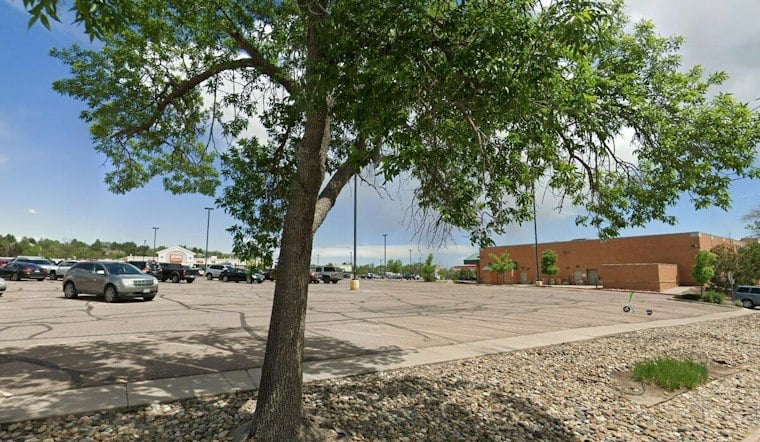
About a dozen local performers are pooling microloans, crowdfunding and benefit-concert proceeds to turn a long-struggling Westside bar space into a venue they'll own and run themselves. The Iowa is taking shape at 734 N. 19th St., the former home of Laura Belle's, and organizers expect it to open this winter or no later than early January.
The project is led by musicians Al Ameda and Jeremy Quentin, according to FOX21 News, with the venue being built and managed directly by the performers who plan to play there. As SoCo Insider reports, the Iowa is co-owned by about a dozen local performers, with gazette.com listing co-owners Rence Seyb, Don Goede, Kiersten Wenthold, Ethan Gould, Malachi Price and Anthony Ruptak alongside Ameda and Quentin. Quentin, who is from the Midwest, floated the idea of microloans among his musician network to finance the buildout, a funding model gazette.com detailed in its coverage of the project.
A Collective Ownership Bet
Ameda has described the project as a way for musicians to keep ownership in local hands rather than leave the work to a large outside company, according to SoCo Insider. Quentin has likewise emphasized the owners’ direct involvement in running the venue.
Musician Bryse Taylor told SoCo Insider that Colorado Springs has long had too few venues for its population. Taylor said the Black Sheep was the only independent venue they knew of in the city before turning 21. The city does have a small cluster of independent stages on the east side, but Quentin has told gazette.com that local performers have fewer stage and earning opportunities than musicians in Denver, and less room to build an audience.
A Westside Venue’s Next Chapter
The Iowa is taking over a site with a long concert-venue history: Laura Belle’s operated there for decades before closing in the mid-2010s, and the building has since housed roughly ten bars, according to gazette.com. The new owners plan to draw on the former venue’s look, including a sunken wood-grain bar. The name and design also reflect the founders’ Midwestern roots; they describe the concept as an elevated Midwestern dive bar and a welcoming place for people of different ages and backgrounds.
A Mix of Touring Acts and Local Performers
The planned calendar will pair nationally followed touring acts with emerging local performers, with an estimated three to six musicians and comedians booked each week. The venue also plans to provide backstage green rooms and audio-visual recordings of each act; most shows are intended to be family-friendly. SoCo Insider reports that the organizers want the room to help independent performers build audiences in Colorado Springs.
The Iowa's organizers have leaned on benefit concerts and crowdfunding to help cover renovation and opening costs. FOX21 News reported that a day-long festival called Field Day: A Benefit for Colorado Springs' Newest Music Venue was set for Oct. 10, with performances split between The Armadillo Ranch and Soda Springs Park in Manitou Springs to help raise money to complete the space. The Iowa Restoration Fund also accepts donations through a dedicated crowdfunding page, and organizers plan to post opening updates at the venue's website as construction progresses.
The Financial Test for Independent Stages
The project is opening amid financial strain across Colorado’s independent venue sector. The sector generates $2.3 billion in economic output and supports nearly 6,700 jobs statewide, but only 41% of Colorado’s independent venues were profitable in 2024, according to Axios. Operators surveyed cited inflation, anti-competitive practices and predatory ticket scalping among their biggest problems.
What National Venue Finances Say—and Don’t Say
A 2025 study by the National Independent Venue Association found that 64% of independent stages nationwide reported unprofitability in 2024. That national finding offers context on the pressures facing independent rooms, but it does not establish The Iowa’s financial prospects or predict how a small artist-owned venue will fare.
Rising costs aren't limited to indoor rooms. Touring is expensive, and insurance costs for outdoor venues in particular have climbed significantly in recent years, according to coloradobiz.com's reporting on the state's live music economy, which generates roughly $500 million annually. That same reporting notes Colorado venues often benefit from “experience stacking,” where a concert becomes part of a broader tourism trip rather than a standalone outing — something that has helped larger stages like Colorado Springs' $130 million, 8,000-seat Ford Amphitheater, which drew more than 100,000 guests in its truncated 2024 season after opening that August. Denver's nonprofit Levitt Pavilion, a 6,500-capacity outdoor venue that opened in Ruby Hill Park in 2017 and keeps 90% of its programming free, and the roughly $250,000 renovation of Denver's Federal Theatre offer other examples of venues finding footing in a difficult market.
Against that backdrop, The Iowa's organizers are betting that musician ownership — rather than outside investment — is the path to keeping a Westside stage alive. The venue has launched Instagram and Facebook accounts under the handle the.iowa and The Iowa, respectively, where updates on construction and the eventual opening are expected to continue rolling out through the winter.




