

























































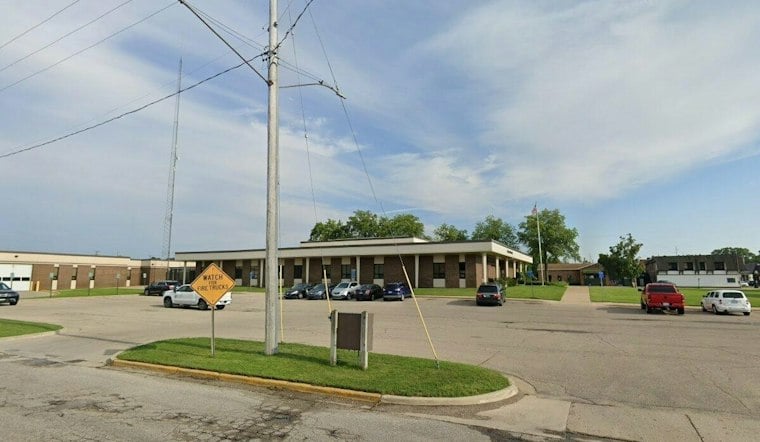
Muskegon Heights homeowners could soon see a new line item on their winter tax bill, as city officials weigh a special assessment to prop up police and fire funding amid a budget shortfall. The city council held a second public hearing on the proposal Tuesday, with officials saying a vote was likely to follow if enough members showed up to form a quorum.
The idea is one of several options on the table as Muskegon Heights tries to close a deficit that, as reported by MLive.com, exceeds $2.5 million, with a prior estimate putting it between $2.5 million and $2.9 million. A separate account from a Yahoo News report describes the current shortfall as more than $3 million, warning it could balloon past $5 million in the next few years. The figures differ depending on the source, but the underlying message from both is the same: the city's finances are strained, and public safety is caught in the middle.
What the Assessment Would Cost Homeowners
Under one version of the plan described by MLive, officials proposed a 10-mill increase over the city's current 22.5088-mill rate, earmarked specifically for police and fire departments. That proposal would generate more than $1.3 million in annual revenue, split between the two departments, and would cost property owners an additional $1,000 per year for every $100,000 in taxable value if approved. A separate 15-mill version referenced in the same report would generate more than $2 million annually, split evenly at 7.5 mills per department — the dossier material does not clarify whether the two figures represent alternative proposals or a revised plan, so both are presented here as reported.
Property owners currently pay $2,250.88 for every $100,000 in assessed value; under the 10-mill proposal, that would rise to $3,250.88 per $100,000. If the council approves an assessment, it could appear on residents' Dec. 1 winter tax bills, according to the same MLive report. Officials have cited Michigan's Public Act 33 of 1951, which allows public safety departments to fund services through special assessments, among other mechanisms.
Police and Fire Leaders Warn of Staffing Cuts
Acting Fire Chief Darric Roesler and Deputy Police Chief Shaun Kozal told the council during Monday's presentation that the proposal would prevent their departments from having to slash budgets outright, per MLive's account. Kozal said the millage would let both departments maintain current staffing levels, warning that without it, police staffing could fall to just two officers and a sergeant per shift — a reduction he said would increase response times and overtime costs.
Those warnings echo comments relayed in the Yahoo News report, in which police and fire representatives said the additional property taxes could go a long way toward addressing staffing shortages and potentially saving the city money over the long run. Acting City Manager Maurice Sain, who also serves as police chief, has said the options under consideration include a police and fire millage, employee cuts, and possibly furlough days, the outlet reported.
A Council Meeting Cut Short
The push for a decision comes against a tight deadline: the city must submit a Deficit Elimination Plan to the state by the end of the year, according to the Yahoo News report, which also notes that it would be the city council — not voters — deciding whether to implement a millage as part of that plan. Muskegon Heights' seven-member council has faced its own logistical hurdles in getting there. Monday's meeting ended abruptly after councilmember William Kitchen left around 9 p.m., leaving only three commissioners present and unable to continue business, according to MLive.
Residents who did get to speak questioned whether alternatives could be explored before taxes go up. Chelsea McKinley said she wanted the city to look at all options, including community-oriented initiatives, while Nicole Gonzalez suggested dads walk the streets to help deter crime, citing what she described as success with similar efforts in the Detroit area, per the MLive report.
Other Options on the Table
City finance consultant Maner Costerisan presented the council with three broader paths forward, according to MLive. One option involved drastic cuts to city services, primarily hitting police and fire. A second combined the millage proposal with the use of state income tax administration services. A third called for a reduced millage alongside the sale of vacant lots, staff furloughs two days a month, and forfeiture of council members' annual pay.
Sain has said public safety accounts for 65% of the drain on the city's general fund, and that the millage could ease that strain, the report noted. Council members were also told earlier in 2026 by former interim city manager Pearlette Merriweather that the deficit stood between $2.5 million and $2.9 million — and that it could grow to $5.3 million heading into 2027 if no action is taken.
How Other Michigan Communities Are Handling Similar Pressures
Muskegon Heights isn't alone in turning to special assessments or millages to keep police and fire departments staffed. Near Jackson, Summit Township approved a special assessment tax for police and fire after an error in a voter-approved millage delayed when the township could begin collecting funds, according to a report from MLive.com.
In Oakland County, five townships — Brandon, Independence, Highland, Orion and Waterford — went back to voters on Nov. 3 after rejecting public-safety millage renewals in the August primary, according to The Detroit News. Orion Township sought straight renewals of a 3.3761-mill police tax and a 2.88-mill fire tax, along with an added 0.4-mill fire tax, while Waterford Township pursued a 1.34-mill police tax expected to raise $4.38 million and a 0.88-mill fire tax projected to bring in $3 million, the newspaper reported.





