

























































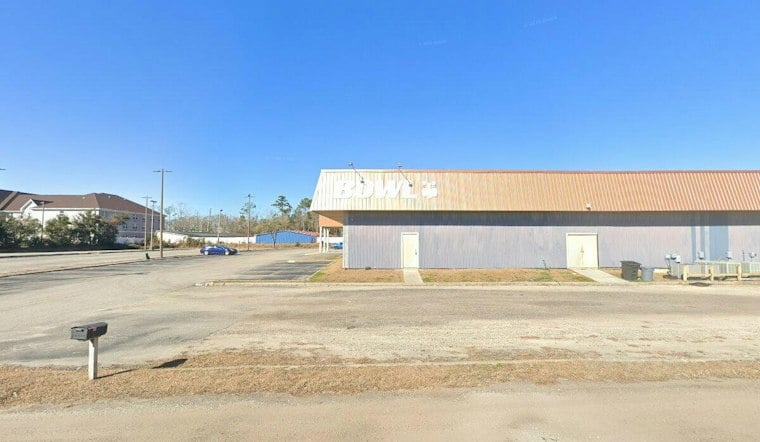
Kevin Kraly cannot see the pins fall, but he can hear them. The completely blind bowler was one of about 80 athletes from the Southern Blind Bowling League who took to the lanes at Myrtle Beach Bowl this past weekend for what organizers called the first-ever blind bowling tournament in the Grand Strand.
Kraly said he relies on the sound of the pins and picked up a spare on a tricky 4-10 split during the tournament, according to MyHorryNews.com. Myrtle Beach Bowl owner Larry Nowak described the event as a first for Myrtle Beach and said he believed it was the first in South Carolina; the statewide claim has not been independently verified.
The two-day tournament, held Saturday and Sunday, was organized by Coast 2 Coast Blind Bowlers, a Raleigh, North Carolina-based nonprofit that connects legally blind and visually impaired people through recreational bowling leagues and national tournaments. President Joyce Mintz said participants came from six states—Virginia, Ohio, Florida, North Carolina, Pennsylvania and New York—and Washington, D.C.
How Blind Bowlers Navigate the Lanes
Blind and visually impaired bowlers use the same lanes and basic rules as sighted competitors, but the lanes themselves carry a key accommodation: a waist-high rail runs from the ball return to the foul line along every lane, giving bowlers a physical line to follow toward their release point. Nowak identified three categories of competitors at the tournament — visually impaired, mostly blind and completely blind — with bowlers in each category receiving varying degrees of visual guidance from sighted volunteers depending on how much they can see.
That system echoes a similar setup seen at other regional blind bowling tournaments. At a Carolina Bowling Alliance event in nearby Surfside Beach, volunteer pin callers described ball paths and remaining pins aloud so bowlers with little or no vision could aim for spares, according to the Myrtle Beach Online report on that tournament, which marked its 17th year at Surfside Bowl Entertainment Center. Heather Dionisio, who is associated with Myrtle Beach Bowl, said simply that bowling brings people together.
A Nonprofit Built on Decades of Experience
Joyce Mintz and her husband, Larry, have worked with blind athletes for almost 40 years. Joyce Mintz said Myrtle Beach could become a regular stop for the organization.
That long history traces back to 1985, when Jerry Mintz, then working for AT&T, got involved in blind athletics after a coworker invited him into a blind softball league in Winston-Salem, North Carolina. That league used balls that beeped so players could track them by sound — a sensory substitution not unlike the pin-sound cues Kraly now relies on at the lanes. Joyce Mintz said some of the group's bowlers can regularly score 200 or better.
Coast 2 Coast requires its members to be at least 18 years old, according to the organization's website.
Part of a Larger Blind Bowling Network
Myrtle Beach's tournament joins a broader patchwork of blind bowling activity across the Carolinas. The Raleigh Outlaws blind bowlers group, led by James Benton — who also serves as outreach coordinator for the Carolina Bowling Alliance and second vice president of the American Blind Bowling Association — grew from about 12 members to roughly 60, which Benton described as the largest blind bowling program in the country, per Myrtle Beach Online's earlier coverage.
Another North Carolina Blind-Bowling Program
The American Blind Bowling Association’s league directory also lists the Durham Pin Devils, another named North Carolina blind-bowling program.
The American Blind Bowling Association, which says one of its core objectives is promoting an annual championship blind bowling tournament, states on its own website that it was established on January 21, 1951. The sport's roots run deep, and Myrtle Beach Bowl's weekend tournament adds a new chapter to blind bowling on the Grand Strand.





