

























































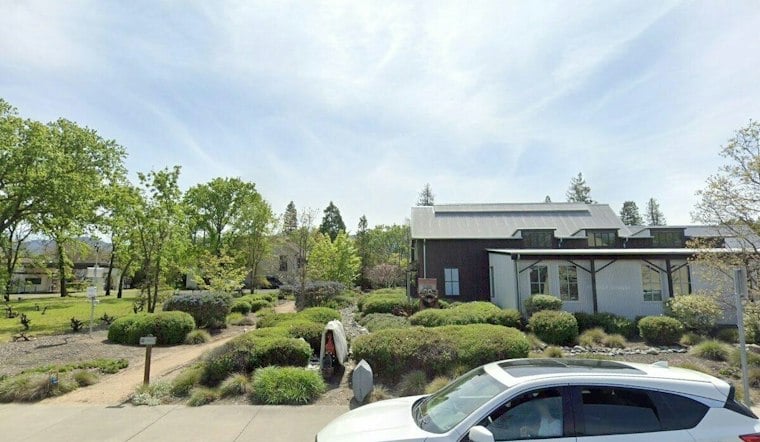
Napa County is weighing changes that could let wineries welcome walk-in visitors and expand production limits for small operations, after the Board of Supervisors discussed potential amendments aimed at easing pressure on an industry battered by a prolonged downturn. The changes are modest compared to what wine-industry groups say they actually need, and they still require approval from the Board of Supervisors before taking effect.
The recommendations grew out of a letter four wine-industry organizations sent to the county in April, listing 23 proposed code changes, according to the San Francisco Chronicle. The Napa Valley Vintners, Napa Valley Grapegrowers, Napa County Farm Bureau and Winegrowers of Napa County all signed on, according to the same report. The four organizations jointly submitted the proposal.
Among the proposals still subject to county approval: letting winery tasting rooms accept walk-in visitors while keeping the visitation limits already written into their use permits, a change first detailed by the Press Democrat. Wineries would still answer to the visitation limits in their use permits — the walk-in flexibility would not erase those caps. Another proposal would strike the requirement that wineries established after Feb. 22, 1990, post signs stating tours and tastings are by appointment only, per the Napa Valley Register's reporting on the planning discussions.
Micro-Winery Limits Could Nearly Double
The proposed changes would also raise the annual production cap for micro-wineries from 5,000 to 10,000 gallons and double the average daily trip allowance from 20 to 40, according to the Napa Valley Register. Napa County's micro-winery law dates to 2022, and the Micro-Winery Guild's president has said it hasn't worked the way the group envisioned, the paper reported. Other proposed changes would make it easier to install electric-vehicle chargers and bike racks by eliminating the administrative permit currently required, the Chronicle reported, and would give wineries more flexibility to adjust marketing-event plans when visitation levels don't change.
Industry Groups Discuss Visitor Experiences
Industry representatives discussed visitor experiences. Debra Dommen supported culinary programs, food pairings, chef collaborations, yoga and other experiences.
The four wine-industry groups also proposed changes to the appeals process. From May 2023 through May 2026, 15 appeals made up 12% of the county's discretionary land-use approvals, according to the Press Democrat. Those 15 appeals required 2,173 hours of staff time and represented $402,000 in resources, per the Napa Valley Register.
A Downturn Squeezing an Industry Beyond Wine
Napa County Planning Director Brian Bordona has said the goal is to make the existing system more efficient, predictable and responsive while maintaining the current level of environmental review and public participation, the Press Democrat reported. The industry downturn has deepened in recent years, intensifying tensions between wine businesses and the county. The number of wineries in Napa Valley has more than doubled since 1990, reaching roughly 500 — even as the industry now says it's stretched thin.
The four groups also made agriculture-related suggestions. A separate land-use dispute underscored how costly county fights can get: a judge ruled in Napa County's favor against Hoopes Vineyard and ordered it to pay $4 million, the Chronicle reported.
The Board of Supervisors has discussed potential amendments and will make the final call on proposed changes.



