

























































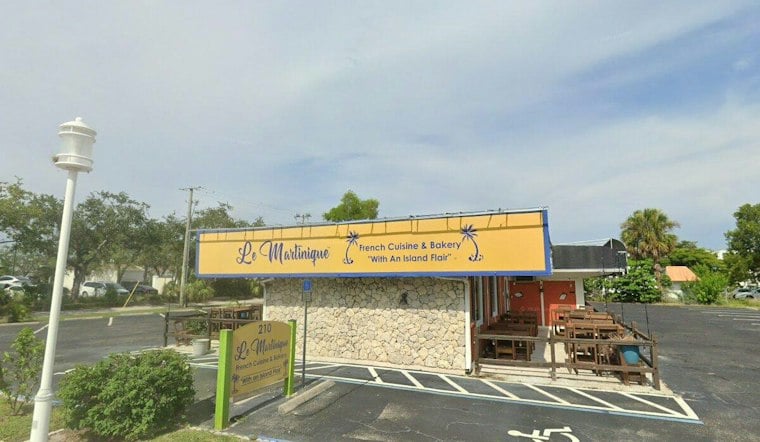
A vacant downtown Naples lot across from NCH Baker Hospital and Wynn's Market has become the test case for a much bigger fight: should the city make room for workforce apartments on land investors would rather turn into high-end condos? At a Nov. 16 workshop, Naples City Council dug into proposed code changes meant to make affordable workforce housing actually buildable — and the debate laid bare just how far apart the competing visions for that single parcel really are.
The site at 210 Ninth St. N. sits where Le Martinique restaurant operated for nearly two and a half years before closing in July 2024, leaving the old Under the Shady Palm Pub space vacant ever since, according to Gulfshore Business. Jay Hartington, CEO of Marissa Collections, and Dr. Alan Farrugia bought the roughly half-acre property for $6 million in 2023 and formed 210 9th St. N. LLC to hold it. MHK Architecture has since floated several development scenarios for the land, ranging dramatically in scale and purpose.
Two Very Different Visions for One Lot
The most ambitious MHK scenario calls for a five-floor building with 64 apartments at a density of 18 units per acre, including three floors of one-bedroom units ranging from 800 to 1,050 square feet, plus ground-floor commercial space for residents. That version would include 54 on-site parking spaces and 10 off-site spaces. The building would top out at 42 feet — notably short of the 75-foot height proposed for NCH, which MHK said it would not pursue.
By contrast, an R-12 overlay scenario on the books would cap development at just 12 workforce apartments across three-quarters of an acre, since the R-12 overlay within the D-Downtown zoning district requires a quarter of the property to be devoted to affordable housing. Architect Mark McLean, who worked on the proposal, said that without a density bonus or some form of forgiveness, the smaller project simply would not pencil out financially. McLean put the tradeoff in blunt terms: a developer could instead sell nine condo units for roughly $3 million apiece rather than build 12 workforce apartments.
Parking Rules Collide With Smaller Units
Part of what makes workforce housing hard to pull off downtown is Naples' existing parking math. D-Downtown zoning currently requires two parking spaces per residential unit regardless of size, a standard McLean argued doesn't fit smaller, more affordable apartments. He suggested the city instead require just one space for units under 1,000 square feet and two spaces for units between 1,000 and 2,000 square feet, and proposed building a dedicated workforce housing section into the land-development code with density-based standards.
McLean also pitched giving preference to local workers and floated a scenario in which an employer with fewer than 30 employees building a 30-unit project could reserve the remaining apartments for city employees, firefighters, police officers and public-school teachers. But he cautioned that requiring a set share of units for an employer's own workers could run into rent-control concerns.
Council Members Debate Who Should Qualify
Naples City Council member Berne Barton pushed for guardrails to keep the program targeted, recommending that rent be capped at 30% of a worker's salary, that income caps block high earners from renting the units, and that eligibility be limited to essential-services workers such as teachers, firefighters and nurses. Vice Mayor Ted Blankenship argued that downtown specifically makes sense for housing because so many job opportunities sit within walking distance, and the council discussed placing workforce units near shops and services or within commercial and D-Downtown areas generally.
Not everyone is sold on using this particular lot for apartments. Council member John Krol called MHK's proposal troubling, arguing the site represents scarce prime commercial property and that housing there could limit future commercial growth downtown. Hartington, for his part, supports developing apartments near local jobs, telling the city that retaining employees who commute from outside Collier County is a persistent challenge for his business, which employs 70 people at Marissa Collections.
An Outdated Code and an Unused Law
Naples Planning Director Erica Martin told council the city's existing affordable housing code section is outdated and probably not feasible as written, noting it has never actually been used since it was adopted. Martin, who said she has been with the city for 20 years, added that the section had simply never come up for discussion in all that time. She recommended that any new proposed language return to council for review before heading to the Planning Advisory Board.
Complicating matters further, city code currently allows property owners to request rezoning but not text amendments to the land-development code itself; City Attorney Matthew McConnell noted that text amendments must instead be requested by council, the Planning Advisory Board or the city manager. Naples' affordable housing density is presently capped at 16 units per acre, and the city could consider alternative height, yard, lot-coverage and parking standards for affordable projects through rezoning or planned development, provided they are compatible with the surrounding neighborhood.
The state's Live Local Act looms over the conversation too. It allows qualifying affordable projects to rise as tall as the tallest building within a mile and requires cities to approve them administratively rather than through public hearings, with the goal of expanding affordable housing so employees can live near where they work. Yet Martin said Naples has not received a single application under the act so far. Separately, council agreed in January 2025 to apply multifamily district development standards to affordable housing projects and to review those plans administratively rather than through public hearings, officials said.
What Happens Next
Before any of this becomes law, the proposed code amendment still has to clear the Planning Advisory Board for a public hearing and formal recommendations, then go before Naples City Council for two additional public hearings prior to ordinance adoption. City officials broadly say the goal is a generally applicable program that anyone meeting its criteria could use, aimed at letting more residents live and work in Naples rather than commute long distances.
The stakes extend beyond one downtown parcel. Collier County was identified as the least affordable rental market in the country in a May report cited by the Naples Daily News, underscoring why officials are under pressure to find workable fixes. Elsewhere in the county, commissioners in late October approved a mixed-use East Naples development that folds in workforce housing alongside a restaurant and rooftop cafe, a sign that other jurisdictions nearby are experimenting with similar tradeoffs between commercial uses and affordable units.




