

























































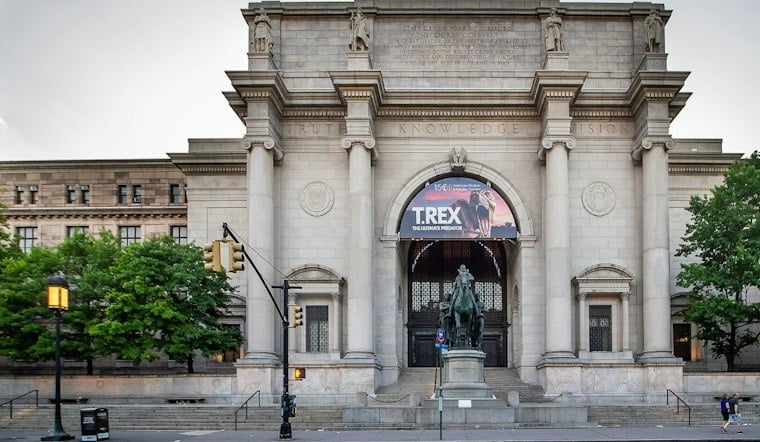
Six years after it first opened and then abruptly shut down, The Nature of Color is back at the American Museum of Natural History, bringing live Vietnamese mossy frogs, iridescent beetles and a room that can make visitors look entirely different depending on the lighting. The exhibition opened to the public again on Nov. 16, inviting Manhattan visitors to explore how color works in nature, culture and human perception.
The exhibit originally debuted at the museum in March 2020, only for the museum to shut down because of the pandemic, according to The New York Times. It reopened that September alongside the rest of the museum, NY1 reported, though sanitary restrictions at the time forced curators to pull several interactive elements from the show, the Times reported. From there, the exhibition spent roughly six years traveling to venues around the country before making its way back to Manhattan, as reported by Spectrum News NY1.
Live Frogs, Beetles and a Room That Changes How You Look
The returning show packs in immersive rooms, interactive light displays and live creatures, including Vietnamese mossy frogs, dyeing poison dart frogs and iridescent beetles, according to amNewYork. The beetles' shifting hues come from tiny layered structures interacting with light rather than ordinary pigments, the outlet notes. One room alternates between full-spectrum lighting and pale-yellow light, changing how both objects and visitors appear under each setting.
Visitors can also test their own color mixing in the Light Lab, where the museum says guests can “experiment with light in the Light Lab, and see what colors you can create,” per the American Museum of Natural History. The exhibition's Yellow Room digs into the psychological side of the subject, with the museum noting that “colors affect our mood, our perceptions, even our behavior.” A game called All About Hue rounds out the hands-on offerings, per NY1's reporting.
From Falling Leaves to Human Skin Tones
Elsewhere in the show, visitors can learn why leaves are green and why they change color each fall. Leaves produce chlorophyll while they're alive, and once they fall, they stop absorbing sunlight, allowing other pigments already present to show through and cover up the green, per NY1's account. The exhibition also devotes sections to how the meanings of colors shift across different societies.
Near its close, the exhibition features portraits by Brazilian photographer Angélica Dass highlighting the variety of human skin tones, amNewYork reports. Curator Rob DeSalle, who put the show together, said it demonstrates the diverse ways nature reacts to color and includes plenty of entertaining displays and activities along the way. “Kids are going to have a blast with the lights and the colors,” DeSalle said, adding that people interested in color vision and perception will find plenty to engage with as well.
A Six-Year Journey Before Coming Home
The Nature of Color is scheduled to remain on view at the museum through May 2, 2027, according to amNewYork's report. Before landing back in Manhattan, the exhibit made stops elsewhere in the country, including a run at the Natural History Museum of Utah in Salt Lake City, where it served as the first stop on a national tour, according to KSL. That Utah presentation covered similar ground — how color is made, its emotional and cultural symbolism, and its role in nature — and included its own live animals, including a gecko, per KSL's coverage.





