

























































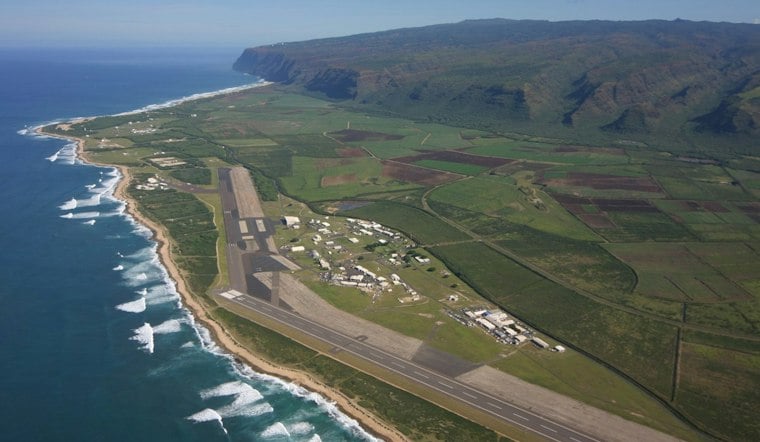
The Navy and NASA have pulled the plug on their final environmental review for state land underneath the Pacific Missile Range Facility and Kōkeʻe Park Geophysical Observatory, notifying Hawaiʻi's Department of Land and Natural Resources of the withdrawal on Thursday. The move affects real estate agreements covering 8,172 acres at PMRF and 23 acres at KPGO, land the agencies have leased from the state for decades.
The Department of the Navy and NASA formally withdrew the Final Environmental Impact Statement on Nov. 5, according to a release from DVIDS. The agencies had filed the document with DLNR and the State Office of Planning and Sustainable Development Environmental Review Program on Aug. 14, meaning it spent just under three months in state hands before being pulled back, as Hawaii News Now reported.
Rear Adm. Rich Jarrett framed the withdrawal as an opening rather than a setback. “The feedback we received has been valuable, and we are ready to put in extra effort,” he said, according to the DVIDS release, adding that the Navy now has an opportunity to enhance and refine the EIS based on that feedback and prior work. The Navy intends to amend the document before resubmitting it to DLNR in 2027, and the community will have another opportunity for public comment during that process, the agencies said.
Why the Review Got Pulled Now
The original acceptance deadline for the Final EIS was Sept. 13, but DLNR granted the Navy and NASA a 15-day extension on Sept. 4, pushing it to Sept. 29. Ten days later, DLNR suspended that deadline entirely to protect public participation in the wake of Hurricane Lowell's impacts on Kauaʻi, acting under Gov. Josh Green's second proclamation relating to the September tropical cyclones. That emergency period had been set to expire Dec. 20 — a date Hawaii News Now now reports is moot, since the withdrawal eliminated the deadline it was attached to.
DLNR spokesperson Dave Day said the department considers the withdrawal to be in Hawaiʻi's best interest, and that the move — along with any work the Navy and NASA do to address lingering concerns — shows respect for Hawaiʻi law and responsiveness to public views, according to Maui Now's reporting. The withdrawn document will not go before the Board of Land and Natural Resources for an acceptability determination, since under Hawaiʻi Revised Statutes §343-2, acceptance requires a formal state finding that the EIS adequately describes environmental impacts and satisfactorily responds to public comments — a bar the document never reached before it was yanked.
If the Navy and NASA ultimately choose to submit another Draft EIS rather than simply an amended Final EIS, they would have to meet all of the filing, distribution, publication, review and notification requirements that come with starting over, which would trigger a fresh public-comment period. The agencies previously ran a Draft EIS comment period from June 20 through Aug. 7, 2025, including public meetings in Līhuʻe, Kekaha and Kapaʻa, according to a stakeholder letter tied to the project. The Navy and NASA say they will continue working closely with the community and DLNR throughout the EIS process and will keep responding to the department's requests for clarification and information.
The Stakes for Expiring Leases
The underlying urgency has not gone away. The existing real estate agreements covering the state lands in question are due to expire between 2027 and 2030, per the same stakeholder document, which is part of why the agencies had been racing to get a new EIS accepted in the first place. An EIS exists, under Hawaiʻi law, to give decision-makers and the public the information needed to make well-reasoned calls about how state land gets used — a standard the agencies will have to clear on their second attempt.
The Kauaʻi withdrawal is not happening in isolation. Aloha State Daily reported that it fits a broader pattern of stalled military land arrangements across the islands, noting that the Army has separately proposed terminating its own leases for the Kawailoa-Poamoho Training Area and the Mākua Military Reservation. The outlet also pointed to a more direct precedent: in May 2025, the Board of Land and Natural Resources rejected an Army proposal to extend its lease for the Pōhakuloa Training Area, land set to expire in 2029.
For now, the PMRF and KPGO land stays under existing agreements while the Navy and NASA rework their environmental paperwork. Maui Now's Wendy Osher contributed reporting on the withdrawal.



