

























































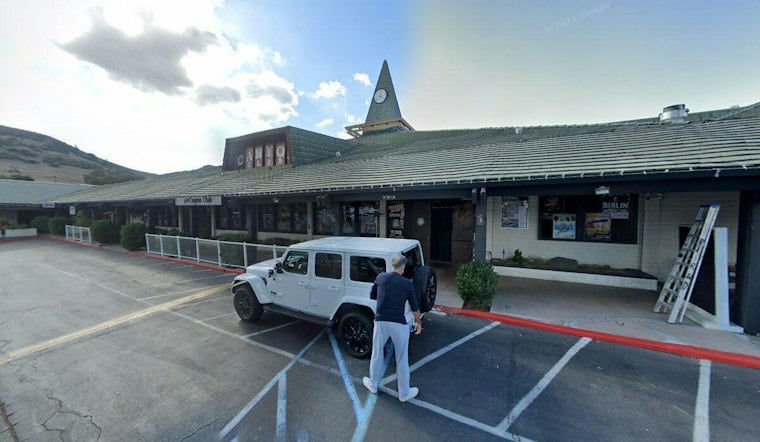
The Borderline Bar and Grill never reopened after a gunman opened fire there on November 7, 2018, killing 12 people and himself. Nearly eight years later, the country-dance community that gathered at the Thousand Oaks bar has a different venue: a Thursday-night class at a Masonic Lodge.
A Community That Refused To Stop Dancing
Candy Sherwin had taught line dancing and two-step in the Conejo Valley for more than three decades and was the Borderline’s lead instructor from 1995 until the night of the attack. In an interview with KCLU, Mark Gajkowski recalled the search for a new venue: “We didn't have the building anymore so we found elsewhere.”
The group meets on Thursdays at a Masonic Lodge roughly three miles from the former bar. KCLU reported that more than 60 people attended a Thursday-night class, making the lodge a gathering place for the Conejo Valley country-dance crowd.
Survivors Recall The Night And What Followed
Mark Gajkowski is among those who continue to attend. He had taken a two-step lesson earlier on the day of the shooting, then left the Borderline before the gunman opened fire. KCLU reported that he credited Sherwin with providing continuity for people connected to the venue through the ongoing classes.
For Borderline regular Randi Drasin, the aftermath brought another crisis: the night after the shooting, the Woolsey Fire forced her to evacuate her home. Recalling the community’s response, she said, “Everybody wanted to be involved in fundraising and making sure that the families were taken care of.” Drasin, who wore a black shirt reading Borderline Strong, described survivors and regulars rallying around victims’ families.
The Broader Toll, And A Wider Circle Of Grief
Seven of the 12 people killed that night were college students, and another was a recent graduate, according to the same KCLU report. The attack also cost jobs far beyond the victims themselves — a 2018 report from the Los Angeles Times found that more than 40 Borderline employees lost their jobs once the bar became a crime scene. That same report described survivors seeking comfort in less formal ways too, meeting at one another's houses, with some getting matching bracelets or tattoos in the months that followed.
The instinct to gather quickly took shape elsewhere around the region. By early January 2019, the Canyon Club in Agoura Hills had already hosted the Borderline crowd three times in pop-up events, according to a separate KCLU report from that period, with Sherwin leading classes there after 24 years teaching western dance for the club. One of those early reunions, organized by Borderline owner Brian Hynes, drew more than a thousand people to The Canyon in Agoura Hills, including survivors and parents of some victims, with Sherwin leading a two-step on the dance floor, the Los Angeles Times reported. Weekly Borderline Country Nights at the venue became a regular fixture at the start of 2019, according to Beyond The Acorn, and a Westlake Village dance studio drew nearly 100 people to a lesson hosted by Kristal Lynn Konzen just weeks after the shooting, the outlet reported.
Support Beyond the Immediate Aftermath
The verified record here identifies financial assistance, but does not specify behavioral-health programs or which such services continued. According to the California Victim Compensation Board, by the shooting’s four-year anniversary in 2022, it had provided $255,120.32 to 289 victims and family members; its notice said victims could still seek help applying for compensation.
What The Research Says About Dance And Trauma
Whether dancing itself eases trauma symptoms remains an open scientific question. A 2023 systematic review published by Taylor & Francis examined 15 studies on dance therapy and adults with psychological trauma, finding that only one case study directly reported a decrease in trauma-specific symptoms. Other studies in the review pointed to improvements in bodily awareness, psychological processes, and interpersonal skills, and the reviewers concluded that dance therapy may be a useful technique for improving psychological and physiological symptoms associated with trauma exposure, while calling for further research. One randomized trial cited in the review, involving a dance and movement program for survivors of intimate-partner violence, found that PTSD scores declined over time for both the intervention group and a control group, with no significant difference between the two.
The research does not establish that dancing treats trauma, and the review calls for further study. The continuing class offers a different measure of what followed the attack: country dancing carried on outside the Borderline, which never reopened.





