

























































Nebraska’s early Medicaid work-rule rollout has produced mixed enrollment indicators. State figures cited in NPR’s reporting showed that 86% of affected applicants met the monthly requirement or qualified for an exclusion, while 93% of existing enrollees retained coverage. The rules took effect May 1, eight months before most states are scheduled to begin, making Nebraska the first to enforce the federal mandate, according to NPR Illinois.
Other measures show that some people have lost coverage during the rollout. Nebraska Public Media reported that about 1,100 people had lost coverage through denied applications or non-renewals, and that Medicaid enrollment had fallen by roughly 7,800, or 2.3%, since August 2025, to about 327,000. Its account, based on state data analyzed by KFF, said many denials followed applicants’ failure to provide requested information rather than a finding that they had not met the work standard: Nebraska Public Media.
The requirements apply to roughly 70,000 adult Medicaid recipients in Nebraska. Unless exempt, they must document 80 hours each month in work or a qualifying activity, NPR Illinois reported. Advocates cited in NPR’s reporting raised concerns about staff training and agency capacity. The state budgeted $8.2 million in contractor costs over two years for Medicaid changes, including work requirements, and uses Boston-based Public Consulting Group and Atlanta-based Covendis for staffing support, according to NPR Illinois.
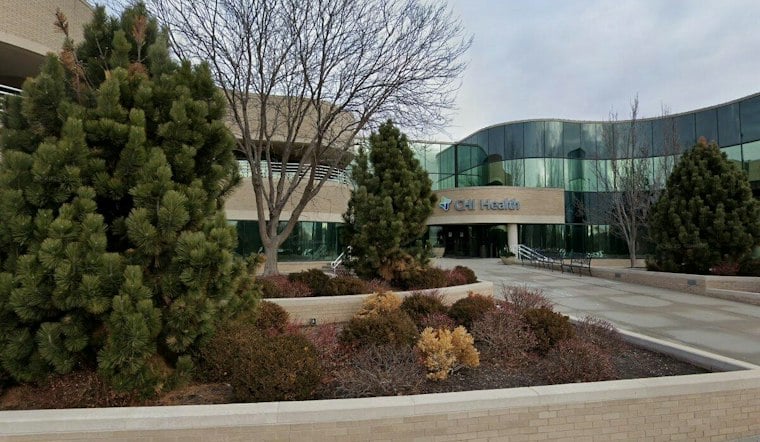
A separate, disputed case was reported by NPR. Eli McCreary, an Omaha man who was 64 at the time and had kidney cancer, diabetes and chronic obstructive pulmonary disease, told NPR that a CHI Health hospital informed him he no longer had Medicaid coverage. He said a call-center representative told him he needed to meet a work requirement, and that he canceled a CT scan and other tests and postponed a cancer-related appointment. CHI Health declined to answer NPR’s questions about his experience. These details come from NPR’s reporting: NPR.
Nebraska’s health department disputed that the case involved a work-rule termination. Spokesperson Jeff Powell told NPR the department had no record of McCreary contacting it and said his coverage had not lapsed because of the work rules; Powell said McCreary left Medicaid after turning 65 and enrolling in Medicare. NPR reported that McCreary later rescheduled the appointments he had canceled. The accounts have not been independently confirmed here; both are reported through NPR.
Appeals and earlier renewal closures
Nebraska DHHS’s fair-hearing form says people already receiving benefits may request that benefits continue during an appeal, if possible, according to the Nebraska Department of Health and Human Services. Routine renewal closures also occurred before the work-rule rollout. DHHS’s SFY25 annual report recorded 100,193 beneficiaries losing eligibility through case closures among 349,242 renewal determinations, providing a pre-rollout comparison, according to the Nebraska Department of Health and Human Services.
The policy is part of a wider federal change. The Congressional Budget Office estimated that the law would reduce federal Medicaid spending by more than $900 billion over a decade; KFF estimates the work-requirement provisions alone account for $326 billion in ten-year federal spending reductions and would leave millions more people uninsured nationally by 2034. More than 40 states are scheduled to apply similar requirements next year, according to NPR. Federal law sets January 1, 2027, as the general start date, while allowing states to act earlier, as Nebraska did; see KFF and Medicaid.gov.
Nebraska has said it plans computer-system and online-portal changes, including online document submission and clearer notices. The federal government can pay up to 90% of the cost of state Medicaid IT changes, and Congress allocated $200 million in one-time implementation funding, according to NPR Illinois. State officials said about 1,100 people had been denied benefits because of the requirements as of August; Nebraska’s rolls had declined by roughly 4,600, or 1.4%, since May, NPR Illinois reported.


