

























































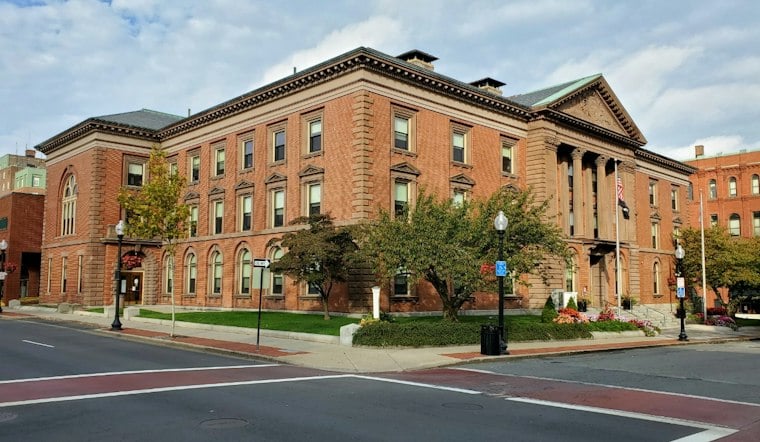
New Bedford has officially banned data centers from being built anywhere in the city, after the City Council passed an ordinance proposed by Mayor Jon Mitchell over concerns about strain on neighborhoods, electrical infrastructure and local water supplies. The vote marks a significant step for a city that, like dozens of others across Massachusetts, is racing to get ahead of an industry many officials say they don't yet understand well enough to welcome.
According to a statement from Mitchell cited by WJAR, the mayor praised the council's action and said other cities have experienced quality-of-life issues and strains on utilities tied to data center development. “I commend the city council for promptly passing my proposal to ban data centers in our city,” Mitchell said. He added that the ordinance will give New Bedford time to examine those experiences elsewhere and figure out what zoning changes or other restrictions might be needed to protect residents.
Notably, the city's statement did not specify when the ban actually takes effect, per the same WJAR report. That ambiguity echoes earlier reporting from the New Bedford Light, which noted that while the proposed ordinance would function as an indefinite ban, city planners have described it as more of a “pause” while officials study the issue. The outlet also reported that councilors had previously voted unanimously to advance the measure prohibiting new data centers from being built anywhere in the city, a step that preceded this week's final passage.
A Year of Research Before Any Decisions
New Bedford's Planning Director, Jen Carloni, has said her department expects to spend about a year researching whether the city could realistically accommodate a modern data center and what kind of approval process might make sense, according to the New Bedford Light. That timeline suggests the pause framing may be the more operative description, even as the ordinance itself reads as an outright prohibition for now.
The concerns driving New Bedford's move are not unique to the city. Data centers have drawn scrutiny nationwide for their enormous appetite for electricity and water, resources that can strain local utilities serving nearby homes and businesses. An EPRI study cited by MassLive estimated that a single 150-megawatt hyperscale data center can consume roughly 340,000 gallons of water a day, or about 120 million gallons a year — numbers that help explain why water supplies made it onto Mitchell's list of concerns.
New Bedford Joins a Statewide Wave of Restrictions
New Bedford is far from alone in moving to restrict the industry. MassLive's reporting found that as of mid-October, 18 Massachusetts communities had enacted or approved a data-center moratorium, ban or restriction, with Bolton and Templeton still awaiting attorney general approval at that point. The outlet counted more than 30 communities statewide that had either enacted restrictions or were actively discussing them, including at least 17 communities still in the discussion phase.
Residents and officials pushing back on data centers elsewhere in the state have cited many of the same worries as Mitchell, including noise and water consumption, per the same MassLive account. Holyoke's City Council voted 9-4 in June to approve a ban on new data centers, while on the North Shore, Salem became the first city in that region to ban the facilities this fall amid a dispute over a proposed project at the redeveloped Shetland Park, according to Patch.
Nearby Beverly is close behind. Its Planning Board and City Council voted unanimously to support a one-year data-center moratorium, with the council's vote counting as first passage; a second and final vote is scheduled for Nov. 23, Patch reported.
State and Federal Regulators Are Watching Too
The local pushback is unfolding alongside a broader state effort to get a handle on the industry. Executive Order No. 658 directs the Massachusetts Department of Environmental Protection to develop protocols for data-center projects with peak electricity demand exceeding 25 megawatts, requiring them to demonstrate compliance with state water, wastewater and stormwater rules in order to protect water quality and quantity, according to the order itself.
Energy suppliers, distributors and regulators across the country are also examining what conditions they should impose on data centers seeking to connect to the power grid, Axios reported. For New Bedford, the coming year of study by Carloni's planning department will determine whether the city's current blanket prohibition evolves into something more permissive, or stays in place as a long-term line in the sand.





