

























































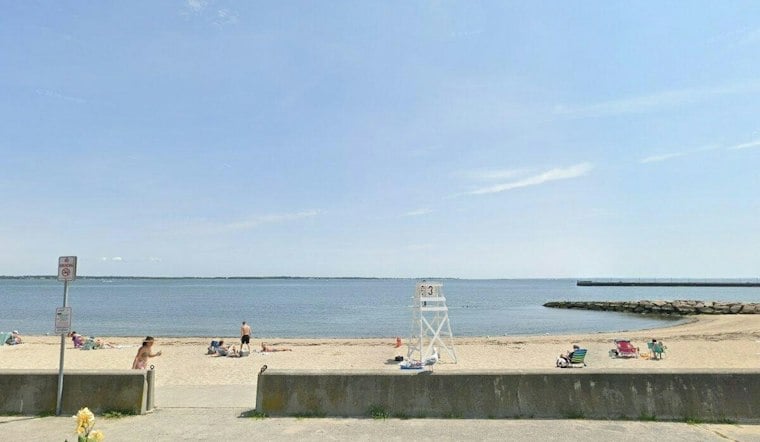
Two New Bedford Department of Public Infrastructure workers were simply changing a flag at East Beach on Oct. 29 when faint cries for help reached them from across the street. What they found moments later was a man collapsed on his porch, not breathing, while his wife was nearby calling for help.
Carlos Medina and Douglas Gross initially assumed the sound was just children playing nearby, officials said, but something made them walk closer to check, according to SouthCoastToday.com. That decision put them at the center of what New Bedford Guide later described as a full cardiac arrest, with the man collapsed and not breathing when they reached him.
Medina immediately called 911, then handed the phone off to Gross before starting chest compressions. Gross directed arriving emergency responders to the exact spot, while Medina performed CPR, working to keep the man alive until paramedics could take over.
Mayor Credits Medina With Restoring the Man's Breathing
According to Mayor Jon Mitchell, Medina managed to get the man breathing again before emergency medical personnel arrived on scene. Mitchell said the two DPI employees went well beyond their normal duties that day, and said the city was proud of and grateful for their efforts, per the same SouthCoastToday report. The mayor recognized both men for their actions in a Facebook post on Nov. 9.
Beyond that, details remain scarce. New Bedford Guide reported that no further information about the man's condition following the incident was released.
Why Those First Minutes Matter
The episode underscores just how much hinges on the actions of whoever happens to be nearby when someone's heart stops. The American Red Cross notes that immediate CPR can triple a person's chance of survival, while chances fall by roughly 10 percent for every minute that CPR and defibrillation are delayed. In the most recent CARES report cited by the Red Cross, 42.5 percent of patients received bystander CPR, the highest share since 2016, yet only 10.5 percent of patients nationally survived to hospital discharge after cardiac arrest outside a hospital.
Against those odds, two flag-changers who almost walked past the sound of distress ended up giving a stranger his best shot at survival, acting fast enough and calmly enough to matter in the moments that counted most.





