

























































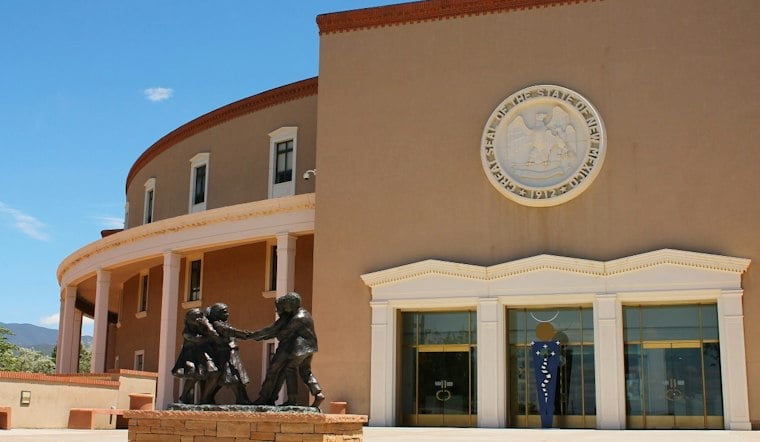
New Mexico voters have voted to end a 114-year tradition of unpaid lawmaking, approving a constitutional amendment that will put state legislators on salary for the first time in state history. The measure, known as Constitutional Amendment 4, passed on Tuesday, making New Mexico the last state in the country to begin paying its legislators.
According to Source New Mexico, preliminary returns showed the amendment passing with 62% of voters in favor and 38% opposed, though the outlet described those figures as preliminary. The New Mexico Political Report reported a different tally, with the amendment passing 63% to 37%, or 415,498 votes to 239,681. A separate unofficial count published by Organ Mountain News put the margin at 61.9% yes to 38.1% no as of roughly 10 p.m. on election night, cautioning that results remained subject to certification.
Albuquerque Democratic Rep. Cristina Parajón, who introduced legislation to establish a paid legislature, called the outcome a milestone moment for the state, according to KRQE. “It was a huge historic win,” Parajón said, per the station's report, adding that voters' support for the amendment represented a historic victory for a reform effort she said dates back to 1992.
How the New Salary Will Work
Under the amendment, lawmakers will begin receiving pay in 2029, with the salary pegged to the state's median household income — about $68,000 a year, according to KRQE's reporting. The New Mexico Political Report similarly described the salary as tied to median household income, citing a figure of about $67,800 that would adjust as that number rises or falls.
Sources differ on a key detail of how the new pay will function. Source New Mexico reported that lawmakers will have the option to receive salaries starting in 2029, while the New Mexico Political Report described the 2029 start date without characterizing the pay as optional. Legislators will continue to receive per diem and mileage reimbursement on top of the new salary, the station's report notes, and per Source New Mexico, lawmakers already receive per diem for costs tied to the annual session and interim committee meetings, along with pension eligibility after leaving office.
Not everything changes with the new pay structure. Lawmakers will not receive overtime pay for special sessions or extra workdays, and they will not receive health care coverage as a job benefit — meaning, per Parajón, that legislators will have to cover health care costs out of their new salary.
A Decades-Long Push Finally Pays Off
The ballot measure followed House Joint Resolution 5, which the Legislature approved largely along party lines earlier this year to send the salary question to voters, Source New Mexico reported. An earlier attempt at a legislative salary, House Bill 102, would have let lawmakers opt out of receiving pay but died without ever getting a hearing, according to KRQE.
Parajón said she may revisit similar legislation when lawmakers reconvene, and that a paid legislature could bring a more diverse group of people into office — including working parents, young people and others who previously couldn't afford to serve. The New Mexico Political Report, citing supporters of the measure, made a similar point, reporting that a salary lets working parents, young people and lower-income New Mexicans afford to take on the job.
New Mexico's move leaves it no longer alone among the 50 states: the New Mexico Political Report noted that New Mexico was the only state that didn't pay its legislators before the vote. Source New Mexico also pointed out that the new roughly $68,000 salary will exceed the national average lawmaker salary of $44,320.
What Lawmakers Still Have to Figure Out
Plenty of implementation details remain unresolved, and Parajón said lawmakers plan to introduce bills addressing them when the Legislature reconvenes on January 19, 2027. Those could include changes to the length of legislative sessions, a requirement that lawmakers attend interim committee meetings, and new ethics rules.
On ethics, Parajón said discussions could address what gifts lobbyists are allowed to give lawmakers and what lobbyists may buy for them — questions she said could get renewed attention now that legislators are being paid a professional salary. The Legislative Finance Committee, per Organ Mountain News, has estimated the change will cost the state general fund approximately $7.6 million a year across the Legislature's 112 members, based on the roughly $67,800 median household income figure. That same report noted existing per diem and mileage reimbursement provisions will remain in place once salaries take effect.
The salary proposal was framed as part of a broader modernization push for the Legislature that also includes hiring paid district aides for lawmakers, according to Source New Mexico. With the amendment now approved, the task of sorting out exactly how the pay system will operate falls to lawmakers themselves when the next session convenes.





