

























































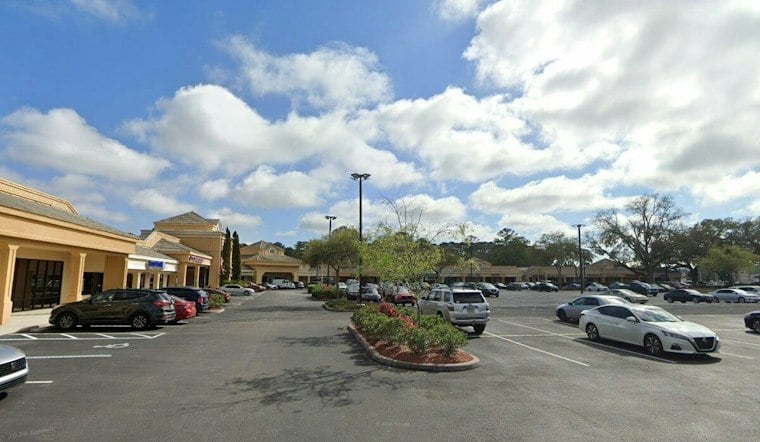
A new medical screening center on San Jose Boulevard is offering free heart scans to qualifying Jacksonville adults, and in just its first few days it had already booked more than 500 appointments and flagged three cases involving potentially serious health concerns. Life Imaging Florida opened the location at 9965 San Jose Blvd. in Jacksonville, with a grand-opening event planned for Friday from 3 to 5 p.m.
A Free Scan With No Strings Attached, Company Says
According to 104.5 WOKV, Life Imaging Florida opened the Jacksonville center to offer free heart scans alongside other imaging services. The company says the low-dose CT exam produces a coronary artery calcium score by identifying calcified plaque in the coronary arteries, a marker that can point to heart disease, and notes the screening comes with no hidden fee, no obligation, and no requirement to purchase additional imaging, according to Life Imaging Florida. The company says the free scans are funded through prevention programs, with the funding tied to the specific research demographics needed at the time someone books an appointment.
Founder and CEO J. Thomas Graham told WOKV's Kristine Bellino that about 60 percent of patients choose to purchase a full-body scan after getting their free heart screening. Those full-body scans examine the chest, abdomen, and pelvis, and can identify lung nodules, kidney stones, aneurysms, and possible signs of cancer, per the station's report. A heart scan takes about four to five minutes, while a full-body scan runs roughly six to seven minutes, and patients can keep their clothes on throughout since the scans require no needles or contrast dyes.
Personal Stakes Behind the Mission
Graham has said he lost both of his parents to cancer and once traveled outside Florida to get screened himself, a backstory he shared with WOKV as part of explaining why he founded the company. He said the technology cannot detect every type of cancer or disease, and he has encouraged patients to share their results with their primary care doctors rather than treat the scans as a substitute for ongoing medical care. Life Imaging also states on its site that preventive screening is not a replacement for routine care.
Graham recounted two cases to illustrate the stakes: a retired teacher whose full-body scan found a lung tumor despite no major concerns showing up on her heart scan, and a former special forces member whose scan reportedly found a cancerous kidney tumor, according to his account relayed to the station. Board-certified radiologists review the results, which are generally available within 24 to 48 hours, per Graham.
Who Qualifies, and How to Book
Life Imaging Florida's screenings, which include heart scans, full-body scans, brain scans, and virtual colonography, are generally intended for adults between 30 and 75 years old. Patients must answer health-related questions before scheduling, and pregnant women should not undergo the CT screenings. The company does not accept health insurance for preventive screenings, and says the free heart scan is subject to minimum eligibility requirements that its team confirms before booking, per Life Imaging Florida.
Jacksonville residents can call #250 from a cellphone and say “free heart scan” to speak with a representative, per the WOKV report. The company also operates other locations in South Florida and the Orlando area, and Graham said he hopes to work with more first responders, military members, and local organizations going forward. Friday's grand-opening event, listed by the station, said everyone who attends will receive a free heart scan valued at $699.
What the Research Says About Calcium Scoring
Beyond one company's pitch, coronary artery calcium scoring has a mixed record in broader clinical guidance. A 2022 review summarized by the American College of Cardiology found that recommendations for coronary artery calcium scoring vary considerably among global guidelines, even though most clinical practice guidelines agree the scoring is useful for reclassifying people at intermediate risk. The U.S. Preventive Services Task Force lists its 2018 statement on cardiovascular disease risk assessment with nontraditional risk factors as its current final recommendation on the topic.
CT scans expose patients to radiation, and full-body CT scans in particular can lead to unnecessary follow-up testing. Anyone considering screening should speak with a healthcare professional about their personal risk factors and whether a given test is suitable for them.





