

























































Grocery prices in and around Norfolk have climbed more than 34% since 2020, and local shoppers say the pain shows up every time they push a cart through checkout. A trip that used to leave change in your pocket now regularly costs well over $100, forcing residents to rethink how they shop, what they buy, and how often they go back for more.
The shopper accounts reported by 13News Now illustrate how households are budgeting for food. Imani Jones told the station she spends about $130 a week on grocery basics. Recent college graduate Asher Brinckley said he spends roughly $150 on food every other week while also managing student loan payments and other expenses.
Brinckley also described a change in his own spending: he said a grocery trip that once cost less than $100 had risen by about $60 to $70 over the past two years, nearly doubling what he used to pay for the same cart of food.
An Economist's Math on the Squeeze
McNab offered a longer-term comparison: in an accounting he shared with 13News Now, a grocery trip costing about $67 in January 2020 would run roughly $100 today. He said most Americans are feeling squeezed and does not anticipate significant grocery price relief before the holidays this year.
The interviews also reflected differing experiences. Patrick Miskill told 13News Now that grocery prices have remained relatively manageable for him, underscoring that shoppers do not all describe the same degree of pressure.
McNab's comments to Old Dominion University put food costs in a wider regional context. He said daily expenses such as gasoline and groceries were rising faster than the 3.4% headline inflation rate, and that lower-income households face a higher inflation rate than higher-income households. ODU reported that those issues were discussed at an October event at the Hilton Norfolk The Main attended by more than 700 business and community leaders. The university's midyear forecast earlier this year had noted headline inflation of 3.8% in April.
Wages Lagging Behind the Checkout Line
13News Now also reported that wages are struggling to keep pace with inflation, reducing what many households can buy with their income. For shoppers such as Jones and Brinckley, that leaves less room in their budgets when prices rise.
McNab's practical suggestions, as reported by the station, were to plan ahead, compare prices across stores, look for sales and avoid impulse purchases. These steps may help households manage spending, but they do not change the broader price trend.
What Could Shift Prices in 2027
The 13News Now report also considered possible factors affecting grocery budgets in 2027, while noting that their effects are uncertain. It cited the possibility that the Federal Reserve could raise interest rates next year to moderate inflation, along with broader economic and political developments. A diplomatic resolution to the war with Iran and potential tariff changes were among the developments that could affect costs, especially at the gas pump, with possible effects later reaching grocery shelves.
A 2025 13News Now report documented a Norfolk grocery store owner's concern that tariffs could have a snowball effect on shoppers. The possibility of such cost increases remains one of the factors in the outlook, rather than a guaranteed outcome.
What regional food-assistance figures show
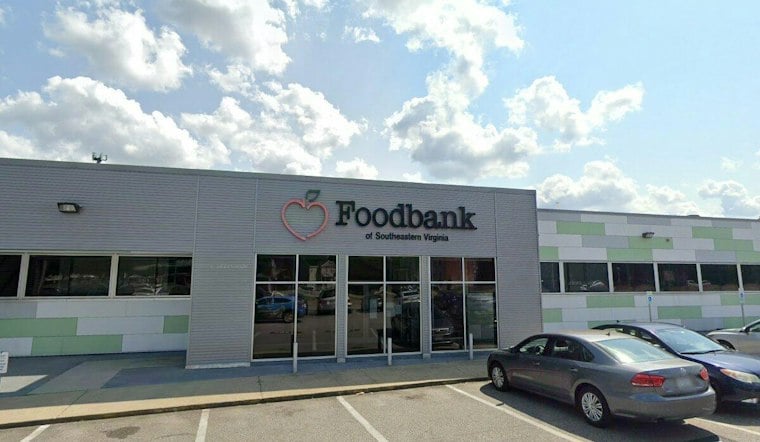
Food-assistance reports provide additional regional context, but they do not establish how earnings have changed compared with food costs or why households sought help. The Foodbank of Southeastern Virginia and the Eastern Shore reported in its 2024 annual-report account that it distributed 24,715,806 pounds of food, providing over 20 million meals; those service totals do not establish why people sought assistance. Separately, the Virginia Peninsula Foodbank's report covering July 1, 2022, through June 30, 2023, said the number of households accessing its mobile food pantries and partner agencies increased 35% after the additional SNAP benefits ended after February. That report does not establish grocery prices as the cause, and neither report compares household earnings with food costs.
For now, the reported shopper experiences and price comparisons offer a snapshot of the pressure at checkout, but they do not show how household earnings in the Norfolk area have changed relative to food costs since 2020. Whether 2027 brings relief remains to be seen; families are still weighing trade-offs as they shop.





