

























































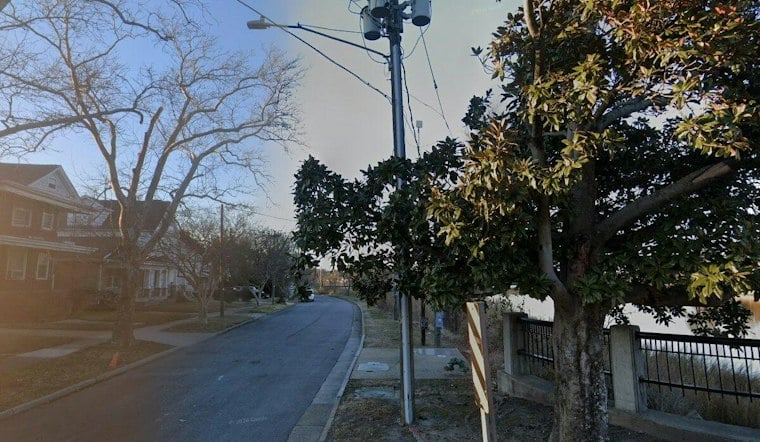
Norfolk is moving forward with plans for dedicated bike lanes along a stretch of Lafayette Boulevard that has logged 268 crashes since 2017, including three that were fatal, as the city looks to calm one of its more dangerous corridors. The project would stretch from 26th Street and Leo Street to Tidewater Drive, with completion expected in spring 2027.
According to WAVY.com, the reported configuration would give each side of the street a parking lane, a bike lane and a travel lane, replacing the sharrows currently painted on the road. Sharrows, as Norfolk officials describe them, double as both bike lanes and traffic lanes, offering cyclists no dedicated space of their own. Norfolk transportation strategic planner Kyle Gilmer said the new layout is meant squarely to make the corridor safer, telling WAVY the push came directly from residents. “It came from concerns from the community here in Lafayette/Winona that there’s a lot of safety and crash crashes occurring in this corridor,” Gilmer said.
Not every detail of the project is locked in, however. A separate report from WTKR found that the city has not approved a final construction package, lane configuration, median closure or funding commitment for the corridor. The two accounts leave an open question about exactly what the finished street will look like, even as the broader safety goals driving the project are clear.
A Corridor With a Documented Crash Problem
The numbers behind the project are stark. Norfolk identified 268 crashes along the Lafayette Boulevard study corridor between 2017 and 2026, including three fatal-injury crashes and 12 severe-injury crashes, per WTKR's reporting. The same analysis found drivers routinely exceeding posted limits nearby, with 85th-percentile speeds measured at roughly 36 mph on portions of East 26th and East 27th streets, where the limit is 25 mph, and more than 38 mph in both directions on Lafayette Boulevard, where the limit is 30 mph.
Residents have been flagging the danger for a while. The outlet reported that of 105 responses collected in a 2025 survey, 95 identified speeding as a transportation or safety concern. A follow-up 2026 survey found 201 respondents ranked speed management and traffic calming as their top priority, with 188 selecting bicycle and pedestrian improvements as a close second. Among those who said they bike or use a scooter in the area, 79% described current conditions as somewhat or very unsafe.
City Weighs Lower Speed Limit, Near-Term Fixes
Gilmer told WAVY that Norfolk could eventually lower the speed limit on the corridor to 25 mph, but only after studying traffic patterns once construction wraps up. “We would potentially look at reducing the speeds down to 25 mph after we do a post-construction kind of analysis,” he said. That change remains conditional, tied to data the city doesn't yet have.
In the meantime, WTKR reported that Norfolk is weighing a slate of near-term improvements over the next 12 months that could include speed-feedback signs, coordination on enforcement, refreshed pavement markings and signs, and tree trimming to improve sightlines. Those steps would arrive well before the bike lanes themselves are finished.
Cyclists Say Narrow Streets Already Feel Risky
For people who ride Norfolk's streets regularly, the stakes are personal. Giancarlo Bitamore, assistant manager at East Coast Bicycles on Colley Avenue, said the city's narrow roads can feel scary to cyclists, and that drivers passing too closely or failing to give riders enough room is unnerving. Bitamore said safer infrastructure would directly improve the experience of riding through the city.
Norfolk has pointed to another corridor as evidence that redesigned streets can change driver behavior. Per WTKR's coverage of the city's Granby Street bike lanes, Norfolk Strategic Transportation Planner Kyle Gillmer said travel times along that corridor have decreased to approximately 55 seconds to 1 minute and 3 seconds compared with before construction, even as the lanes give cyclists and pedestrians more space and a level of protection from nearby vehicle traffic. Gillmer said Lafayette Boulevard is now undergoing a similar lane repurposing.
Still, the pace of change has been slow by some measures. Bike Norfolk Vice President Mike Merritt said the city is only about 25% complete on its Norfolk Bicycle and Pedestrian Strategic Plan, a document that was drawn up more than 10 years ago. For residents along Lafayette Boulevard who have spent years reporting crashes and speeding, the bike lane project represents a concrete, if still partially undefined, step toward finally addressing those concerns.





