

























































Reports differ on the current output of Boeing's North Charleston Dreamliner plant, with figures of seven and eight 787 aircraft a month. The plant is below the company's long-stated goal of reaching 10 a month sometime in 2026. The shortfall traces back to a familiar culprit: a shortage of jet engines from GE Aerospace, the critical supplier for the widebody program.
Engine Shortage Remains the Pacing Item
Boeing has described its pace as stable at eight aircraft per month, according to the Post and Courier, which reported that the planemaker won't meet its goal of rolling out 10 Dreamliners a month this year. Boeing is now aiming to start the transition to that so-called “Rate 10” by Dec. 31, with engine delivery performance remaining the pacing item for getting there. The company says its South Carolina factory itself is performing well, but the bottleneck lies outside its own walls.
The company's biggest production impediment is a previously announced shortage of jet engines from GE Aerospace, per the same report. Delayed certification of complex business-class seats has also continued hindering 787 deliveries, according to FlightGlobal. Notably, one supply-chain outlet has described North Charleston's current output differently: AirDataNews reported the plant currently builds seven Dreamliners per month, a discrepancy with Boeing's own stated figure of eight that hasn't been independently resolved.
Deliveries Trending Toward the Lower End
Boeing's 787 deliveries totaled 62 through September, and the company still expects to hand over 90 to 100 flight-ready Dreamliners to customers by the end of 2026, the Post and Courier's reporting shows. But Boeing chief financial officer Jay Malave told analysts Oct. 26 that the final tally would probably land closer to the lower end of that range, given the delays in getting to Rate 10. GE Aerospace, for its part, handed over more than 50 GEnX engines to the North Charleston factory last quarter, a figure separately reported by the Post and Courier.
Boeing doesn't expect to increase 787 production to 12 planes a month until 2029, three years beyond the original Rate 10 target. The path to a bigger cash-flow target, Malave said, includes matching aircraft deliveries with the number of finished planes actually coming off the assembly line. Boeing is targeting annual cash flow of $10 billion by 2029, up from an estimated $2 billion this year, according to the same report. During a Tuesday webcast, analyst Scott Mikus pressed the company on why reaching those higher rates would take roughly two years.
A $1 Billion Bet on South Carolina's Future
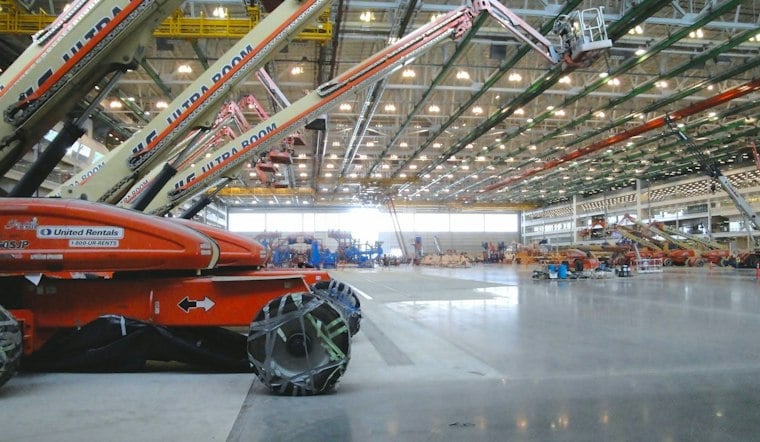
Boeing operates a 787 assembly plant at its North Charleston campus beside Charleston International Airport. The company broke ground on a second 787 assembly plant roughly a year before this report, part of a $1 billion expansion of its South Carolina footprint. The new second final assembly building will add a third production line to the two already in the current footprint.
Once running, the second assembly plant is expected to enable production of 14 or more of the carbon-fiber jets a month — well beyond even the 2029 target. The 787 Dreamliner backlog is approaching 1,200 planes, per the Post and Courier, a separate trend also reflected in reporting from AirDataNews, which put the backlog above 1,000 aircraft. Boeing's $1 billion investment is expected to add 1,000 jobs, and the project is scheduled for completion in 2027.
Boeing Still Trails Airbus on Overall Deliveries
The Dreamliner slowdown is part of a broader delivery picture in which Boeing continues to lag European rival Airbus. Boeing delivered 57 jets in September, up from 51 in August and 55 a year earlier, with eight of those being 787s, according to CNBC. Airbus still delivered more planes that month, handing over 72 aircraft compared with Boeing's 57.
Through September, Boeing had delivered 475 jets for the year, including 363 737 Max aircraft, per CNBC's tally. Airbus delivered 547 aircraft over the same stretch, according to Aerotime, which also reported Boeing delivered 161 commercial aircraft in the third quarter versus 160 a year earlier. Boeing ended September with an official backlog of 6,371 jets, CNBC reported, while Boeing reduced average Dreamliner manufacturing rework hours by nearly 30% in 2025, according to the South Carolina Daily Gazette, which also noted Airbus delivered 793 planes and took orders for 889 more in 2025, compared with Boeing's 600 deliveries and 1,173 orders that year.





