

























































New York's Medical Aid in Dying Act has drawn a bigger legal fight. Archbishop Ronald Hicks, the Archdiocese of New York and the ArchCare Catholic healthcare ministry have joined four orders of Catholic nuns in a federal lawsuit seeking to block the law, which lets terminally ill New Yorkers with less than six months to live request lethal medication.
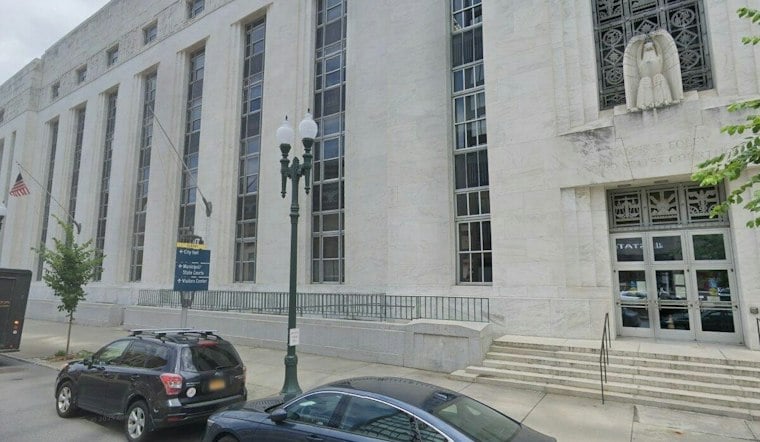
The additions landed on Oct. 29, according to OSV News, expanding a case first filed in the U.S. District Court for the Northern District of New York in Albany. That case, Carmelite Sisters for the Aged and Infirm v. James, was brought July 17 by the Carmelite Sisters for the Aged and Infirm, the Dominican Sisters of Hawthorne, the Missionary Sisters of St. Benedict and the Little Sisters of the Poor, as detailed by National Catholic Reporter. The law itself took effect Aug. 5, after Gov. Kathy Hochul signed it, according to WRGB.
On July 30, New York agreed to a court order temporarily shielding the original nuns and ministries from the law while a judge weighs their request for a preliminary injunction. The order, per the same account, forbids the state from enforcing its assisted-suicide mandate against those plaintiffs in the meantime. Hicks is now seeking that same temporary protection for Catholic health care providers within the Archdiocese of New York, per WRGB.
What the Expanded Lawsuit Is Asking For
The amended complaint is seeking the same relief as the original filing — either blocking the law entirely or carving out an exemption for religious providers, according to the Poughkeepsie Journal. Plaintiffs in the July complaint argued the Medical Aid in Dying Act violates federal law and exposes those who refuse to participate to penalties, the newspaper reported. According to WRGB, those potential penalties cited in the Becket lawsuit include significant fines, loss of professional licenses and time behind bars.
Becket, the religious liberty law firm representing the plaintiffs, is asking a federal court to protect Catholic health care providers from being forced into participating in medical aid in dying, per WRGB. Ben Fleshman, an attorney with the firm, said the law would violate Catholic ministries' beliefs to participate in assisted suicide in any way, WRGB reported. The Catholic ministries involved believe human life is sacred and should be treasured as a gift from God, according to the same report.
Archbishop Cites Duty to Those in Care
Hicks framed the stakes in personal terms. “We refuse to allow New York to force us to harm the very ones we’ve been called to care for,” Hicks said, according to WRGB.
The statute itself includes language stating that a healthcare provider or other person shall not be subject to employment, credentialing or contractual liability or penalty for reasonable good-faith action or for refusing to act under the article, according to the New York State Senate.
State and Advocates Push Back
New York's Department of Health has said participation in the law is voluntary, and the governor's office has said religious facilities and their affiliates can bar the practice at their facilities and restrict employee involvement, according to the Times Telegram. Supporters of the law argue it already protects providers and facilities that don't wish to participate, and that religious facilities may opt out altogether, per WRGB.
WRGB also reported that the law reflects years of planning and consideration before taking effect.
Part of a Wider National Pattern
New York joins a growing list of states confronting this fight in court. Thirteen states and the District of Columbia had already enacted medical aid-in-dying legislation before New York's law took effect, according to Courthouse News Service. A similar clash has played out in Illinois, where most Catholic health workers are now covered by a temporary restraining order on that state's physician-assisted-suicide law, which took effect Sept. 12, according to The Tablet.
For now, the New York case continues to move through the Northern District court in Albany, with the original plaintiffs still covered by the July 30 order while the newly joined Archdiocese of New York, Archbishop Hicks and ArchCare seek the same shield. No ruling resolving the broader legal questions has been reported.



