

























































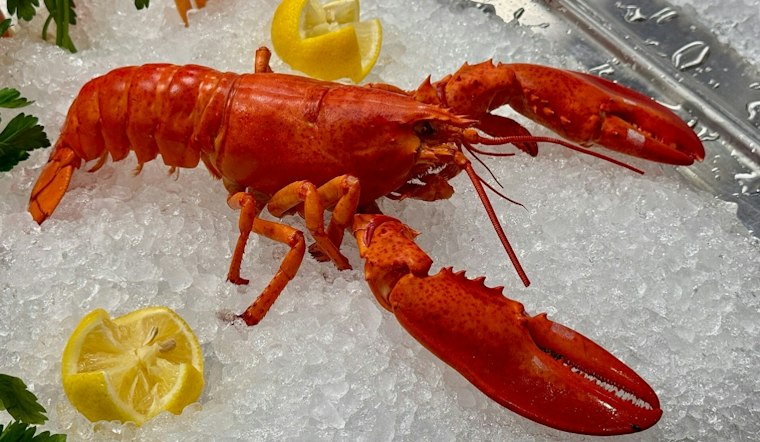
New York City lawmakers are proposing a ban on restaurants boiling crustaceans alive, a move that would put the city council back in the business of regulating how food gets to the plate. The proposal follows the council's earlier push against foie gras, and it frames the issue squarely as a matter of animal welfare rather than kitchen tradition.
According to Bloomberg, city lawmakers previously targeted foie gras before turning their attention to how restaurants prepare live lobsters and other crustaceans. The outlet frames the new push as aiming to restrict certain culinary practices on animal-welfare grounds, continuing a pattern of the council wading into how New York kitchens handle animals before they're cooked.
What the Science Says About Lobster Pain
The debate over boiling lobsters alive has been fueled in part by research into whether crustaceans actually feel pain the way the practice's critics argue. A study covered by Live Science found that aspirin and lidocaine significantly reduced the escape responses of Norway lobsters when they were exposed to electrical shocks.
In that study, researchers separated 105 Norway lobsters into multiple groups, including control and shock-treatment groups, the outlet reports. After treatment and before a shock was applied, only seven of 13 lidocaine-treated lobsters and three of 13 aspirin-treated lobsters still tail-flipped, a reaction researchers used to gauge pain response.
How Other Places Already Handle It
New York wouldn't be the first place to wrestle with this question. The UK government has announced plans to ban boiling lobsters while they are alive and conscious as part of a broader animal-cruelty crackdown, according to The Guardian. The same report notes that boiling lobsters alive is already illegal in Switzerland, Norway and New Zealand.
New Zealand's rules require crabs, crayfish and rock lobsters to be made insensible before they're commercially killed, per Live Science's reporting. Switzerland's law, which took effect March 1, 2018, required lobsters and other crustaceans to be stunned by electric shock or mechanical destruction of the brain before being cooked alive, according to the Animal Legal Defense Fund. Italy took a narrower approach: in June 2017, the country's highest court banned keeping lobsters on ice before killing them, ruling that the practice causes unjustifiable suffering, but the court stopped short of prohibiting boiling them alive, the group notes.
Animal-welfare advocates point to alternatives that fall short of an outright ban. Charities cited by The Guardian recommend stunning lobsters with an electric gun or chilling them in cold air or ice before boiling as more humane options than dropping them directly into boiling water.
A Separate New York Bill on Live Seafood
New York has already dipped a toe into related territory. A bill introduced in the state Senate would prohibit restaurants from serving live octopus and squid and would authorize the state health commissioner to issue regulations on the practice, according to an excerpt from the New York State Senate. That bill text addresses octopus and squid specifically, not the crustacean-boiling proposal now before the city council, and nothing in the available text indicates whether it has become law.
For now, the details that would matter most to restaurant owners and diners — including the city council proposal's exact scope, any proposed penalties, and its path toward a vote — remain outside what Bloomberg's report has made public. What's clear is that New York's lawmakers, having already pushed foie gras off some menus, are now asking whether the way restaurants kill lobsters before serving them needs to change too.





