

























































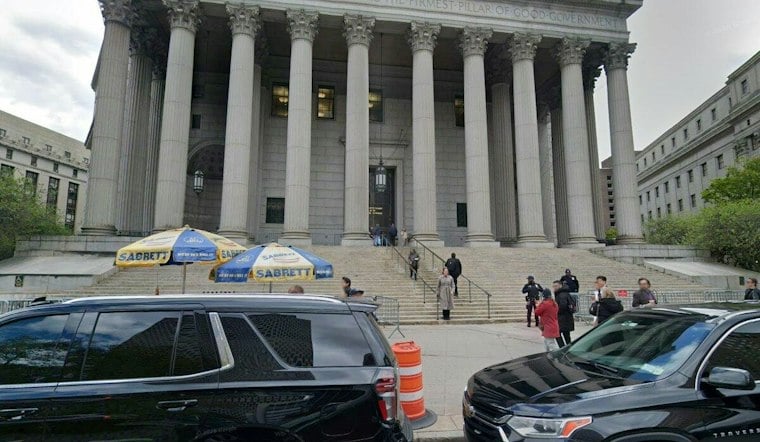
The New York State Parole Board denied parole for Eddie Matos on Nov. 6, 2026, marking the latest chapter in a decades-long fight by the family of the NYPD officer he killed to keep him behind bars. Matos was convicted of murdering Officer Anthony Dwyer in 1989, and he is currently serving a sentence of 25 years to life at the maximum-security Green Haven Correctional Facility in Dutchess County.
The denial came in what the Police Benevolent Association described, per family members and the union, as Matos's fifth parole hearing in three years. According to a report republished by us.headtopics.com, the board had previously denied Matos's release following an October 2025 appearance, but a Dutchess County Supreme Court judge ordered a new hearing after Matos's lawyer, Isaac Zaur, challenged the board's characterization of his disciplinary record. Zaur, a partner at the Madison Avenue law firm Clarick Gueron Reisbaum, is representing Matos pro bono.
Zaur argued that Matos had received no disciplinary reports since 2019, and that his only two tickets since 2013 were for minor infractions, including talking in the hallway, the same report states. The parole board, for its part, cited Dwyer's killing along with Matos's prior criminal convictions in Connecticut for burglary, larceny, and theft of a firearm.
A Rooftop Chase That Ended in Tragedy
Dwyer was 23 years old on Oct. 17, 1989, when he and two other officers responded to an armed robbery call at a McDonald's on Seventh Avenue and West 40th Street in Times Square. Accounts of what happened next differ: the New York Daily News reported that Dwyer was pushed into an air shaft 40 feet deep while pursuing a suspect on a Manhattan rooftop, while the Headtopics report characterized his death as a fatal shooting. Dwyer died at Bellevue Hospital, and Matos was sentenced in 1990 to 25 years to life for second-degree murder. He has been denied parole more than a dozen times since.
Dwyer's sister, Maureen Brissett, was 11 years old when her brother was killed. She has continued to attend his killer's parole hearings for years, and she told reporters Thursday, the day before Friday's hearing, that her family would keep opposing Matos's release. Brissett has said she and her mother want Matos imprisoned for the rest of his life.
Family Shows Up Again, Minus One
Brissett attended the latest hearing with her brother and her 18-year-old son and 16-year-old daughter. Her mother was unable to attend because she has lung cancer. Brissett has said she only learned that Matos's new hearing had been moved up to Nov. 6, rather than February, shortly beforehand. Under New York's parole process, victims' families may read impact statements at hearings but cannot communicate directly with the inmate, and relatives previously delivered such statements opposing Matos's release at the board's Manhattan office back in May 2024, when Matos had already been denied parole twice in the preceding 15 months.
Inmates in New York typically receive parole hearings every two years, though courts may order new, de novo hearings when board decisions are successfully appealed on appeal — as happened in Matos's case. After his latest bid was denied, Matos is due for another regular hearing in February, and the board's full decision in the meantime may take weeks or more to be issued.
A Broader Pattern in Cop-Killer Parole Cases
Police Benevolent Association president Patrick Hendry said the board was right to deny Matos parole and accused his lawyer of trying to game the system, according to the New York Post. The union has pointed to a statewide total of 43 cop killers released since 2017, and has argued that New York's parole board changed its approach under newer rules to give less weight to the underlying crime and more weight to an inmate's prison record.
That tally has shifted over time depending on when it was counted. PolitiFact reported in 2022 that a PBA list showed 34 releases of people convicted in connection with law-enforcement officers' deaths dating back to late 2017, including 15 in the two years before that June and five since Governor Kathy Hochul took office — though the union itself cautioned the list might not cover every statewide case. Two years earlier, NBC New York had reported the PBA's count at 17 since 2017, around the same time the state's Board of Parole approved the release of Anthony Bottom, convicted in the 1971 killings of NYPD officers Waverly Jones and Joseph Piagentini; his co-defendant Herman Bell had already been paroled in 2018.
Matos's case echoes other long-running parole fights tied to police killings. Queens District Attorney Melinda Katz urged the parole board last month to deny release to David McClary, convicted in the 1988 murder of NYPD Officer Edward Byrne, according to the Queens Daily Eagle. McClary has served 38 years of a 25-years-to-life sentence and has been denied release eight times; at a July 2025 hearing, he admitted for the first time that he fired the gun that killed Byrne. In Ohio, Roland Reaves is scheduled for a parole hearing in January 2027, more than 52 years after he killed Cincinnati Patrolman David Cole, with Cole's widow, police, and prosecutors urging the state parole board to keep him imprisoned, per WLWT.
New York's corrections agency says such decisions are meant to weigh both the underlying crime and an inmate's record behind bars. For Brissett and her family, that process now stretches toward a fifth consecutive fight to keep her brother's killer in prison — with another possible hearing already looming in February.




