

























































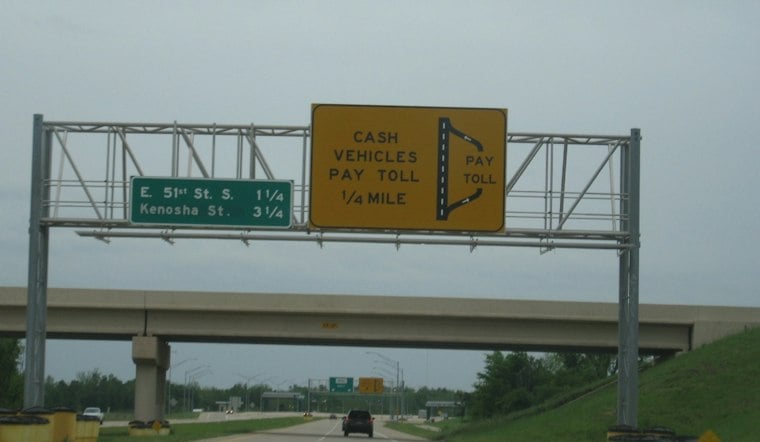
Oklahoma drivers will pay more to use the state's turnpikes starting Jan. 5, 2027, after the Oklahoma Turnpike Authority board approved new toll schedules for the statewide system and the Gilcrease Turnpike. The changes mark the first required rate increase for the five-mile Gilcrease corridor since it opened, and they come paired with a routine inflationary bump for every other turnpike in the state.
The board's approval covers two separate moves rolled into one schedule, according to News On 6: a scheduled inflationary adjustment for the statewide turnpike system and a required rate increase specifically for the Gilcrease Expressway. For PikePass holders driving passenger vehicles, the increase works out to about 15 cents more per trip, roughly a 7 percent jump, per the same report.
That statewide adjustment is part of a pattern the Oklahoma Turnpike Authority has built into its toll structure, with an inflationary system-wide increase scheduled every two years and this round designed to generate a 6 percent increase in overall toll revenue, News On 6 reports. The authority also said it worked with the federal government to bypass similar 3 percent toll increases in 2024 and 2026, according to the outlet.
Gilcrease Drivers Face Their First-Ever Toll Hike
Unlike the rest of the system, Gilcrease Turnpike tolls haven't moved since the road opened, and the authority said this marks the first requested toll rate increase for the corridor, per News On 6's report. The approved changes are intended to bring the Gilcrease toll structure in line with the rest of the Oklahoma turnpike system, the outlet notes.
The Gilcrease corridor has been a sensitive topic for nearby residents before. Back in 2022, Berryhill resident Melissa Myers called a reduction in tolls on a contentious section of the then-unopened turnpike “a good start in the right direction,” as reported by Tulsa World. Whether that same community reacts to this latest increase wasn't addressed in the new reporting.
Fewer Vehicle Classes, Simpler Math at the Toll Booth
Beyond the dollar amounts, the approved schedule also simplifies how vehicles get charged. The classification system is shrinking from five categories down to three, with the new system based primarily on a vehicle's total axle count, including any towed trailers, News On 6 reports.
Under the new structure, Small Class 1 covers two-axle cars, SUVs, motorcycles, and pickup trucks. Medium Class 2 includes three- and four-axle vehicles, while Large Class 3 covers five- and six-axle vehicles, according to the same report. The authority said the simplified classification system will help align the Gilcrease Turnpike with the rest of the state turnpike system.
How This Fits Into a Years-Long Pattern of Increases
This isn't the first time Oklahoma drivers have seen their toll bills climb. Tolls rose by an average of 15% statewide in the 2025 increase, with some routes seeing hikes up to 20%, as The Oklahoman reported at the time. That round of increases pushed the cost of a PikePass trip between Oklahoma City and Tulsa on the Turner Turnpike to $5.40, or $10.50 for drivers using PlatePay, according to the newspaper's reporting.
A 2024 report from The Oklahoman also described additional 6% toll increases every two years starting in 2027 as having been approved by the authority around that time, though the paper's confidence in that specific detail was lower than its reporting on the 2025 hikes. Separately, an Oklahoma Turnpike Authority outlook document had indicated that no toll rate increases were slated for 2026, a projection that lines up with the authority's own account of bypassing a scheduled 3 percent increase that year.



