

























































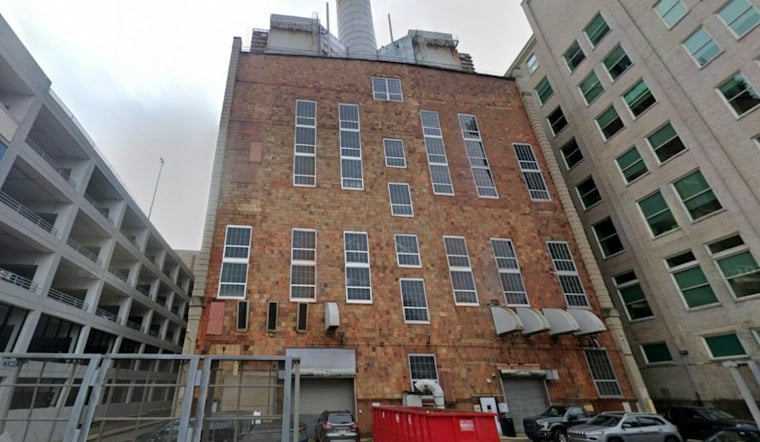
A hulking, orange-brick relic that once pumped steam heat to buildings across Downtown Pittsburgh is being reborn as affordable housing. Beacon Communities says it is converting the long-unused Pittsburgh Allegheny County Thermal building at 120 Cecil Place into a 13-story residential building with 97 apartments, and construction is already underway on the site.
According to WPXI, the building generated steam to heat structures in and around Downtown for more than a century before falling dormant, its smokestacks still rising over the block. Michael Polite, Beacon Communities' senior vice president, described 120 Cecil Pl. as “amazing” and noted that PNC Park fans looking toward right field will be able to see the building, per the same report. Beacon itself says the property is a decommissioned steam plant made up of two connected industrial structures undergoing a full rehabilitation, according to Beacon Communities LLC.
Who Gets to Live There
The project is designed to serve a wide income range. Materials from the Urban Redevelopment Authority of Pittsburgh state that all 97 units will be affordable to households earning between 20% and 80% of area median income. The same agenda breaks the mix down as seven studios, 12 one-bedroom units, 47 two-bedroom units and 31 three-bedroom units.
A sizable share of those apartments is earmarked for a specific population. The URA's September 2025 agenda says project-based vouchers will support 49 of the units, tied to Beacon's partnership with Pittsburgh Scholar House, which connects the organization's program participants to apartments. Pittsburgh Scholar House provides affordable housing options to parents who are pursuing education while facing financial limitations, per WPXI. A separate WPXI report on Downtown residential conversions instead put the number at 47 apartments dedicated at affordable rates to income-eligible single parents pursuing their educations, so the exact count tied to that program is not consistent across the available records.
Financing and Timeline
Money has continued to flow toward the project. The Housing Authority of the City of Pittsburgh approved an additional $1.85 million for the redevelopment, bringing its total investment in Cecil Way to $4.9 million, according to PublicSource. That report also said the conversion is expected to be complete by 2028. Separately, the URA's September 2025 board agenda sought final authorization to issue up to $39 million in multifamily financing bonds for the project, though that agenda entry does not by itself confirm whether the bonds were ultimately issued.
Part Of A Bigger Downtown Shift
The thermal plant is one piece of a broader push to turn empty Downtown office space into housing. Beacon Communities says 120 Cecil Place, along with its Tessera and May Building projects, were all actively under construction when the company announced progress across the three historic properties. Tessera, formerly known as 901-903 Liberty Avenue, is slated to bring 50 apartments for households earning 20% to 80% of area median income, while the May Building redevelopment will convert 66 of its 86 apartment homes into income-restricted units, the company says. PublicSource also reported that Beacon is undertaking Downtown conversions at First and Market and 901-903 Liberty Avenue with Housing Authority backing.
The citywide numbers underscore how much is riding on these conversions. A report from CBS Pittsburgh said the URA's pipeline includes 14 Downtown projects expected to add almost 1,000 apartments, with 508 considered affordable, and put Downtown's residential occupancy rate at 94%, well ahead of the 80% rate for offices. The outlet also noted that the First and Market conversion is expected to add 93 units, all of them considered affordable. Axios Pittsburgh reported that Downtown office-to-housing conversions overall could add roughly 1,300 new units, with about a quarter of them subsidized as affordable for low-income residents, and pointed to two recently completed conversions, the Livewell Apartments and the Ivy Residences, alongside six others still in the pipeline, including Woda Cooper's plan to turn the upper floors of 4 Smithfield St. into 46 units, 39 of them subsidized.
For now, the thermal plant's smokestacks remain a visible marker of its industrial past as crews work to reshape the building's interior. Once finished, the development will add another affordable option to a Downtown housing market that, according to the cited occupancy figures, has a higher occupancy rate than the office towers around it.





