

























































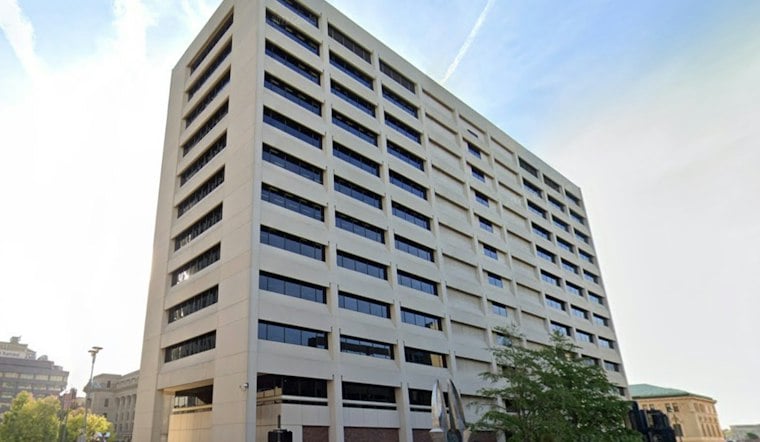
The Omaha City Council is set to vote Tuesday at 2 p.m. on whether to designate a swath of Midtown, Field Club and the Leavenworth neighborhood as an Extremely Blighted Area, a legal label that could unlock richer tax incentives for a housing project already in the works near 24th and Dodge streets. The proposed zone runs from 24th to 36th streets between Dodge and Pacific, and the vote comes after a development team approached the city about building there.
What the Designation Would Actually Do
According to the public notice published by the Omaha Daily Record, the city has been approached by a development team regarding a potential redevelopment project located within the area, and approving the designation would allow the use of tax-increment financing within the zone for up to 20 years, along with eligibility for a state income tax credit and opportunities for affordable housing. City officials have said the goal is to encourage affordable housing and homeownership, Omaha planning official David Fanslau said, as reported by WOWT. Fanslau said most or all of the units in the building near 24th and Dodge are expected to be affordable or workforce housing, though the station’s report is clear the designation itself is not approval of that apartment complex.
Extremely blighted areas are generally defined by high unemployment, elevated poverty compared with the rest of the city, or both, the station’s report notes. Fanslau said the review process evaluates block groups rather than individual houses, weighing income, unemployment, infrastructure and housing stock — and he acknowledged that parts of the broader study area may already be in good condition and not need redevelopment. The designation does not mean every property within the zone is considered extremely blighted, he said.
A Years-Long Paper Trail Behind Tuesday's Vote
The study that led to Tuesday's hearing started with Census Tracts 39, 40 and 42 and then expanded to nearby geographies, per the Omaha Daily Record notice. A public meeting on the proposal was held August 27 with no opposition reported, and the Planning Board recommended approval of the related redevelopment project plan at a September 2 public hearing, according to the same notice. The city's economic development arm, Omaha ONEBiz, separately spells out the financial mechanics: an EBA designation, as it pertains to TIF, may allow a project to receive a 20-year TIF term versus the normal 15-year term, though a Community Revitalization Area designation must also be in place before any project can actually apply for TIF.
Not everyone in the proposed boundary is on board. Bob Perrin, who has lived at the corner of 36th and Pacific streets for five decades, told WOWT the proposal surprised him, since he’s watched developers rehabilitate houses in the area for owner-occupancy and doesn’t consider his block blighted. He described his neighborhood as a mixed community where residents spend time on porches and in yards — not the kind of place he expected to see labeled extremely blighted.
Taxpayer Advocate Questions Long-Term Cost
Doug Kagan, president of Nebraska Taxpayers for Freedom, raised a different concern: the long-term impact on taxpayers if the designation is approved. Kagan said no one can really say what the area’s economy will look like 15 or 20 years from now, a timeframe that matters because TIF financing works by diverting the growth in property tax revenue inside a district back into project costs rather than into general city coffers. Statewide, that mechanism has added up — Omaha generated $46 million in “excess” taxes from its TIF projects in 2024, according to Flatwater Free Press, which also notes the city’s biggest historical TIF recipients have included Aksarben, Midtown, Blackstone and downtown.
Tuesday’s vote wouldn’t be the city’s first extremely blighted designation. The council previously approved a similar designation unanimously for areas east of 72nd Street, according to KETV. Past projects tied to the designation have ranged widely in scale — The Reader reported a 2022 proposal for a 136-unit building near 39th and Dodge expected to cost about $27.4 million and receive $3.7 million in TIF, while a townhome project near 54th and Leavenworth was estimated at $8.6 million with about $1.5 million in TIF, both subject to council approval at the time.
The public comment period is scheduled for Tuesday’s 2 p.m. council meeting, where residents can voice concerns, express support or ask questions about the proposal before the council votes on whether the Midtown-area study meets the legal criteria for the extremely blighted label.





