

























































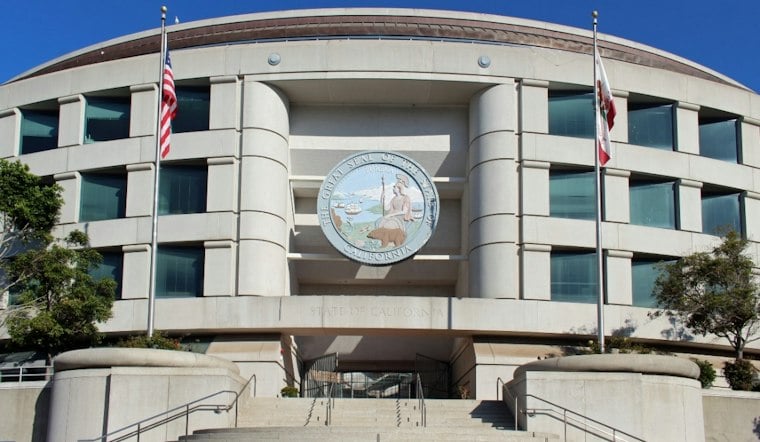
Pacific Power has asked California regulators to approve a 57% increase in customer rates, a request the utility says is tied to the mounting cost of hardening its grid against wildfires across its rural Northern California service territory. The filing, submitted to the California Public Utilities Commission in November 2026, could push the typical residential bill up by $120 a month if approved as written.
According to The Wall Street Journal, Pacific Power is part of Berkshire-owned PacifiCorp and serves a small rural customer base spread across a sprawling, wildfire-prone stretch of Northern California — a footprint that makes grid-hardening projects especially costly relative to the utility's size. Pacific Power itself confirms the scope of the request on its rate-changes webpage, stating plainly that “In November 2026, we submitted a general rate case… The filing proposes a 57% increase in customer rates.”
The dollar figures attached to the proposal are striking. Per Seeking Alpha, the increase would hike the typical residential electricity bill by $120 a month and would boost the utility's base revenue by $103 million a year. Pacific Power says that impact would be partially offset by a separate 14% rate decrease already set to take effect January 1, 2027.
Why the Utility Says It Needs the Money
Pacific Power attributes the request to three forces: significant investments in wildfire prevention, higher insurance costs tied to wildfire risk, and rising costs of operating its system due to inflation, the company says on its rate-changes page. The utility also notes it has not had a general rate increase in California since 2023, meaning this filing is meant to cover three years of accumulated investment rather than a single year's costs.
Those investments have been substantial, by the company's own account. Since 2022, Pacific Power says it has installed more than 300 miles of reinforced, covered power lines and replaced more than 7,000 wooden power poles with steel or fiberglass alternatives, upgrades aimed at reducing the odds that its equipment sparks a fire in dry, wind-prone terrain.
Timeline and Regulatory Review
Pacific Power has asked that the new rates take effect January 1, 2027, the same date its offsetting 14% decrease is scheduled to kick in. But that timeline depends on the California Public Utilities Commission, which must review the filing before any change takes effect.
A Pattern Seen Across the Region
This is not the first time Pacific Power has gone to California regulators seeking a steep increase tied to wildfire costs. In an earlier rate case, the utility proposed a 25.7% rate adjustment — about $28 million — for wildfire mitigation, vegetation management and inflation-related expenses, according to the Del Norte Triplicate. A prior general rate case decision from the commission, identified as D.23-12-016, denied PacifiCorp's request to increase its return on equity while approving reasonable wildfire-mitigation capital and operations spending, according to the California Public Utilities Commission.
The pressure isn't confined to California. The Washington State Standard reports that when power lines are blamed for starting a wildfire, costs to utilities can stretch into the billions and trickle down to consumers. The outlet notes Puget Sound Energy raised residential rates by almost 19% in January and has proposed a further 16.75% hike starting in January 2027, pending commission approval. It also reports that the utility is spending heavily to meet rising electricity demand and comply with Washington clean-energy requirements.
For now, Pacific Power's current California residential rates remain set under the pricing in effect as of June 1, 2026, which included a combined base-services charge of $37.90 a month for single-family customers plus energy charges of roughly 20.8 cents per kilowatt-hour at baseline usage and 23.6 cents above it, according to the utility's published price summary. Whether those numbers rise by the full 57% requested — or something closer to the offsetting decrease already on the books — now rests with the commission's review.





