

























































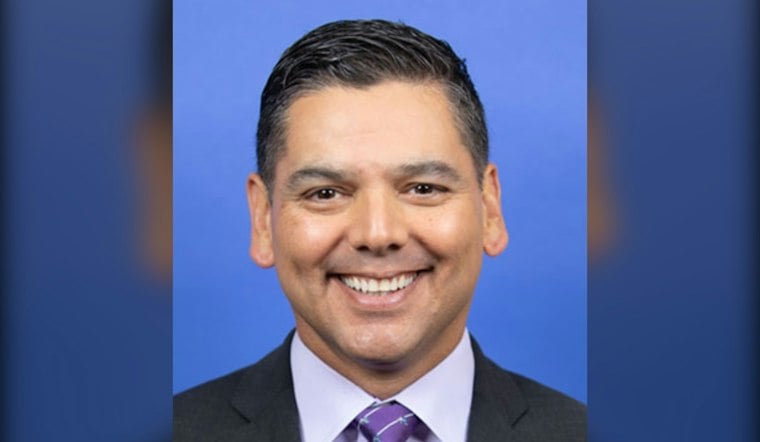
Rep. Raul Ruiz has introduced a bill aimed at tackling long-standing gaps in health care access for American Indian and Alaska Native communities, pairing new grant funding for tribal public health systems with programs meant to grow a homegrown Native health workforce. The Native Health and Wellness Act of 2026 would also create mentorship and training pathways for young people looking to enter health careers.
According to NBC Palm Springs, Ruiz said the legislation aims to address long-standing health disparities affecting American Indian and Alaska Native communities. The outlet also reports that the bill would establish grant programs to expand preventive care and strengthen public health services in tribal communities, while developing the next generation of Native American health-care workers through mentorships, hands-on training and career development opportunities.
As reported by KYMA, the bill aims to invest in tribal public health systems and infrastructure while expanding health career opportunities, and it would create a new grant program to grow the Native health workforce by supporting Native youth and young adults. Ruiz told the station that Native Americans are very underrepresented in the health care professions.
Two Tribes Back the Measure
Per NBC Palm Springs, the Agua Caliente Band of Cahuilla Indians and the Morongo Band of Mission Indians have voiced support for the Native Health and Wellness Act of 2026. Both tribes have reservation land within Ruiz's Coachella Valley-area district, placing the bill squarely in the context of local tribal health needs.
What the Data Shows
The gaps the bill targets are backed by national numbers. As of 2023, roughly 7.2 million people in the United States identified as American Indian or Alaska Native alone or in combination with another racial or ethnic group, according to KFF. The same analysis found that people identified as AIAN alone had a life expectancy of 70.1 years at birth, compared with 78.4 years for White people.
KFF's figures also show that among adults under 65, 21% of people identified as AIAN alone were uninsured, compared with 7% of White people, while Medicaid covered 35% of AIAN adults under 65 versus 15% of their White counterparts. About 22% of AIAN adults under 65 reported not having a personal health-care provider, the organization found, drawing on datasets including the 2019-2023 American Community Survey and the 2023 Behavioral Risk Factor Surveillance System. Notably, AIAN adults living on tribal lands were more likely than those living off tribal lands to report having a usual place of care and receiving a flu vaccine, at 92% and 50% versus 82% and 39%, respectively.
An Existing Federal Model
Ruiz's bill would not be the first federal effort to shore up tribal public health infrastructure. The CDC's Strengthening Public Health Systems and Services in Indian Country cooperative agreement, which emphasizes workforce development, data systems and direct programs and services, has delivered more than $116.5 million to tribal communities as of September 2026, according to the CDC.
Where the Bill Stands
A Congress.gov member-page listing shows Ruiz as the bill's sponsor, with an introduction date of July 22, 2026, and referral to the House Energy and Commerce Committee along with several other committees. The same listing records 26 cosponsors, though the full committee referral list is cut off in the available record. It remains unclear from that record whether the bill has advanced further since its introduction.





