

























































For 65 years, Pennsylvania has been the only state in the country where local police cannot point a radar gun at a speeding car. That could soon change. The Pennsylvania Senate has passed a bill that would finally let municipal departments use radar, and it is now sitting in the state House after decades of local officers making do with far clunkier tools.
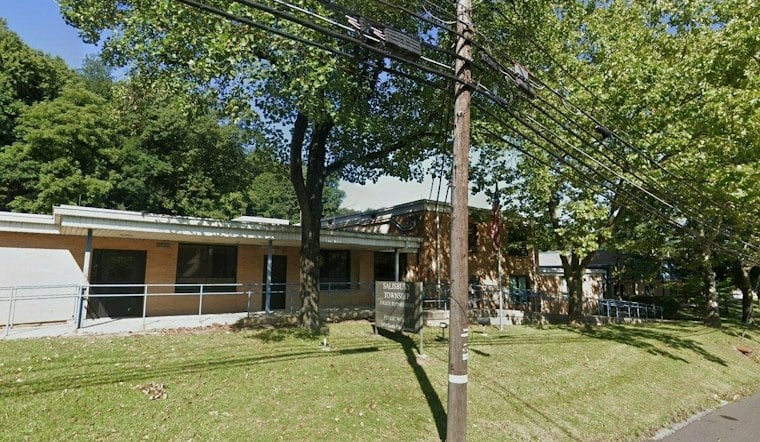
Salisbury Township Police Sergeant Bryan Losagio knows those tools well. As reported by WFMZ, Losagio patrols Pike Avenue looking for speeders using a device sometimes likened to a stopwatch, and he says one stretch recorded an average speed of 60 miles per hour in a zone where drivers should have been going 40. According to Lehigh Valley Public Media, Salisbury Township actually relies on a system called ENRADD, which calculates a vehicle's speed by timing how long it takes to pass between two infrared beams rather than bouncing radio waves off it. That outlet reported Salisbury officers were out conducting speed enforcement on South Pike Avenue in April 2025.
Why Pennsylvania Cops Still Don't Have Radar
The gap exists because of a decades-old quirk in state law. Under Title 75, Section 3368, radar devices may be used only as part of an automated speed enforcement system or by members of the Pennsylvania State Police, while other electronic devices that measure elapsed time or average speed between two points may be used by any police officer, per the Pennsylvania General Assembly. For devices under paragraphs (2) and (3), the statute requires a recorded speed at least six miles per hour over the limit for a conviction; paragraph (3) devices in areas with limits below 55 mph require at least 10 miles per hour over, with stated exceptions. The statute requires speedometers and radar devices to be tested for accuracy within the previous year, and other mechanical, electrical or electronic devices to be tested within 60 days. It also generally bars timing vehicles within 500 feet after a sign indicating a reduced speed limit. The result, per a 2024 report from ABC27, is that radar is used by local law enforcement in every other state except Pennsylvania.
That statute traces back to 1961, and it is the exact law Senate Bill 509 aims to rewrite. The Pennsylvania Senate passed the bill 49-1 on Oct. 20, and its official bill history shows it was referred to the House Transportation Committee on Oct. 29, according to the Pennsylvania General Assembly's bill history. Land Line Media reported the bill has since moved to the House, where approval would send it on to the governor's desk.
Guardrails Built Into the Bill
Lawmakers attached several conditions meant to prevent radar from becoming a revenue grab. Land Line Media reported that for the first 90 days, local police would have to issue written warnings instead of radar-based tickets, and that officers could use radar only from clearly marked law-enforcement vehicles. ABC27 similarly reported that municipalities choosing to adopt radar would need to post warning signs, give drivers that 90-day grace period, and ensure officers complete a training course, with radar usable only when an officer is in or adjacent to a marked patrol vehicle. ABC27 also reported that a municipality would need to pass an ordinance before regular use, and that radar citations under the bill would not add points to a driver's license.
The bill also includes a cap meant to keep departments from over-relying on radar tickets for revenue, though accounts of exactly how that cap works differ. Land Line Media described a limit that would cap how much revenue a department could keep at the amount collected from speed enforcement the previous year, with any excess routed to the state's Motor License Fund. A separate ABC27 report from 2024 described an earlier version of the concept in which radar-generated revenue could not exceed a 1% increase over the previous calendar year's speed-enforcement revenue. It is not clear from available reporting whether those differing descriptions reflect separate bill versions or simply different reporting.
Local Officials Say the Change Is Overdue
Officials in the Lehigh Valley have been pushing for this authority for years. Losagio told WFMZ that radar would greatly help address speeding on residential roads, where posted speed zones typically range from 25 to 35 miles per hour. Alburtis Mayor Hector Moss told WFMZ that radar would help crack down on speeding along Main Street and said the inability to properly address speeding has been a longstanding issue in the borough.
State police have also backed the change. According to WFMZ, Pennsylvania State Police currently remain the only law enforcement agency permitted to use radar, but the agency supports extending that authority to local departments, saying modern speed-timing equipment could improve enforcement and help reduce the serious-injury and fatal crashes in which excessive speed is a primary cause. ABC27 reported that data from the prior three years showed more than 1,000 traffic fatalities statewide, with hundreds tied to speed.
Not Everyone Is on Board
The push for local radar has critics, too. Jay Beeber, chief policy officer of the National Motorists Association, told WFMZ that his organization supports speed enforcement generally but has serious concerns about radar enforcement that isn't linked to an identifiable road danger. Beeber argued that exceeding a posted speed limit is not necessarily dangerous on its own, since the real risk depends on how the limit was set in the first place and how enforcement is actually carried out.
For now, the bill remains in the House and has not yet passed that chamber. Until it does, departments like Salisbury Township's will keep relying on infrared beams and stopwatch-style devices instead of the radar guns used almost everywhere else in the country.



