

























































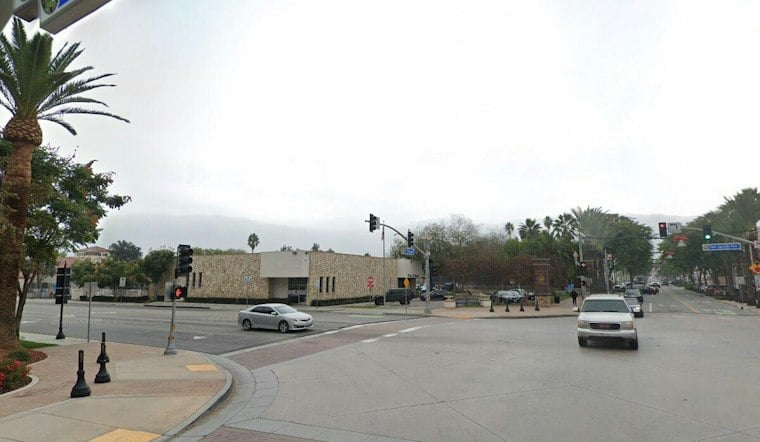
Perris City Council voted 3-2 to suspend its agreement with Flock Safety for automated license-plate reader services, siding with residents who packed a recent meeting to voice privacy concerns over the surveillance network strung across city intersections. The vote splits a council otherwise aligned behind its sheriff's deputies.
A Contract That Had Already Outlived Its Term
The agreement itself had technically expired on June 30, 2026, but according to The Riverside Record, City Manager Clara Miramontes said it had continued on a month-to-month basis while the council weighed whether to renew it. The original deal dated back to March 26, 2024, when the council approved a two-year agreement with Flock Safety covering the purchase and installation of 99 license-plate recognition cameras at city intersections, replacing an earlier contract the city held with Vigilante Solutions for the same kind of service.
Miramontes also said Flock is used by the Riverside County Sheriff's Department and by many neighboring agencies and cities across the county, allowing information to flow between jurisdictions. Police Chief Kevin Lamb, for his part, put the current camera count in Perris at 104 — a figure that doesn't match the 99 cameras specified in the original agreement's scope. A separate volunteer mapping project, Finding Flock, has documented 87 automated license plate readers inside the city, though that project cautions its map is not a complete or official inventory and that cameras may have been added or removed since it was last updated.
Chief Lamb Defends the Technology's Track Record
Lamb told the council the cameras assist with stolen-vehicle cases, missing-or-endangered-person searches, and other criminal investigations, and are used both for retroactive searches and real-time hotlist alerts. He said the Perris ALPR system has helped locate people suspected of murder, child abduction, assault, and hit-and-run crimes. Vehicles, he argued, are central to many serious crimes and missing-person investigations, and timely vehicle information can help deputies respond faster and develop leads.
The chief described layered safeguards built into the system: deputies must independently verify any ALPR information through the California Law Enforcement Telecommunications System, known as CLETS, before taking enforcement action. He said the safeguards limit when the system can be accessed, who can access it, and how long data is stored, and that unauthorized use could trigger access revocation, discipline, or even prosecution and dismissal. Breaches or unauthorized releases must be reported immediately, Lamb said, and he added that Flock data collected by the department stays within California, with the Riverside Sheriff's Office not sharing its Flock data with out-of-state or federal agencies. Still, Lamb acknowledged that the technology raises legitimate questions about privacy, access, oversight, and government accountability, and warned that ending the program would remove an investigative evidence source and could lengthen investigations, reduce leads, hinder crime connections, and delay locating offenders or missing family members.
Residents and Council Members Push Back
That reassurance didn't satisfy everyone in the room. Council member Marisela Nava said she had serious concerns and that the ALPR tool was not making her community feel safe, while the council had received six letters opposing contract renewal ahead of the meeting, and 15 people spoke in opposition at the meeting itself, per the same Riverside Record account. Opponents cited privacy, the potential for law-enforcement misuse, and the sharing of data with outside agencies as their core worries. Resident Nannette Plascencia said she opposed surveillance cameras tracking residents' whereabouts, cars, license plates, and facial recognition, and resident Elizabeth Vallejo said the community's lack of trust in police and in Flock meant both the department and the company needed to work to regain that trust.
Not every council member agreed the cameras should go. Mayor Michael Vargas and David Starr Rabb voted against suspending the agreement and said they supported renewing the Flock Safety contract outright. Rabb, who said he had used ALPR technology himself as a deputy district attorney in San Bernardino County to help solve cases, argued that concerns about Flock were overblown and that California safeguards — specifically Senate Bill 54 — were already in place. He said he was not prepared to tell crime victims that he voted to remove cameras that might have helped find those responsible. Even so, council members across the board expressed support for the deputies who provide law-enforcement services in the city; the disagreement centered on Flock specifically. A full two-year renewal would have cost the city $616,584, according to the Riverside Record's reporting.
Part of a Broader Reckoning With Flock Nationwide
Perris's split vote lands amid a wider wave of scrutiny facing Flock Safety. At least 10 local governments and police departments have moved since summer to curb, restrict, or end their use of the company's technology, according to TechCrunch. Fresno announced it would not renew its own Flock contract and would look for another vendor to manage its license-plate readers, with officials telling The Fresno Bee that the safeguards the company put in place had not proven effective; a Fresno police officer is separately under investigation over alleged camera misuse unconnected to any criminal case.
In Mountain View, the police chief suspended all Flock ALPR cameras after learning outside agencies had accessed the city's data without the department's knowledge, CBS News reported, with an audit there finding a statewide search function had been enabled on 29 of the city's 30 deployed cameras. Elsewhere, Pflugerville officials terminated their Flock contract at an Aug. 25 council meeting rather than renew a lease that would have cost $87,500 a year, per Community Impact, and Columbia's city council voted 5-2 to cancel automatic renewal of its own Flock contract after a nearly four-hour public hearing, according to ABC17 News, though those cameras were expected to keep running until the existing contract expires.
Pew Research Center has tried to quantify just how widespread the technology has become, counting 109,577 Flock ALPR nodes on OpenStreetMap as of September 17, 2026, while cautioning that the crowdsourced count is a lower-bound sample rather than a complete inventory. Flock itself claimed in August 2026 that it operated more than 120,000 cameras across 6,000 communities, Pew reported. The same research noted that California's ALPR data sharing is largely contained within the state. For Perris, where the original agreement specified 99 cameras and Lamb put the current count at 104, the suspension vote leaves the program's future — and its exact footprint — an open question.





