

























































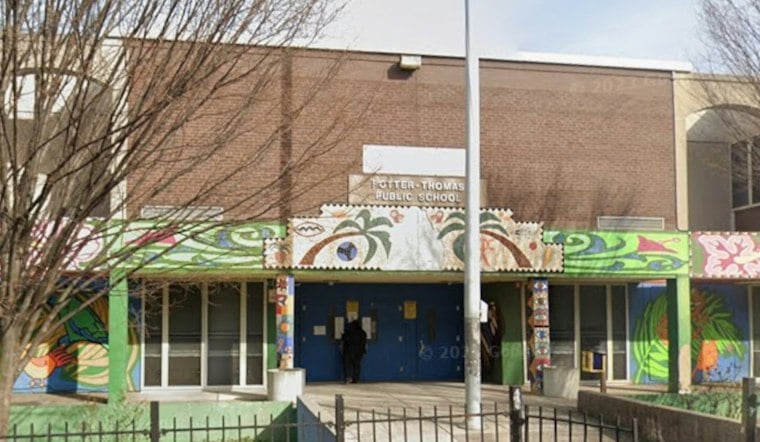
Every one of Philadelphia's 216 public schools is now serving free breakfast after classes begin, a districtwide shift ordered by Superintendent Tony B. Watlington Sr. for the 2026-27 school year. At Potter-Thomas Elementary, the change has already transformed how many kids start their day: breakfast participation there has jumped from 19% to nearly 70%.
Watlington visited Potter-Thomas on Monday to see the new system in action, according to the Philadelphia Inquirer. He said the shift aims to make sure students' basic needs are met, noting that kids arriving right as class starts — because of traffic, weather, or other reasons — still need an opportunity to eat. Breakfast After the Bell is provided at no charge.
Low participation and potential barriers have been challenges for the district's free breakfast program. Principal Nichole Willoughby implemented Breakfast After the Bell at Potter-Thomas last year.
How Potter-Thomas Made the Switch Work
Willoughby acknowledged there was initial reluctance about how the program would function, especially around classroom trash. Building engineers responded by placing large red food-trash cans throughout the building, and staff began delivering breakfast directly to classrooms rather than relying on students to come to the cafeteria. On a recent morning, that meant bags of oranges, yogurt, fruit juice, and mini French toast bites making their way to desks, according to the Inquirer's report.
According to the School District of Philadelphia, traditional before-school breakfast service will also remain available for students who arrive early, so the after-the-bell model is additive rather than a full replacement. Across the district, schools are using a mix of approaches to pull it off: some bring bags of food straight to classrooms, others station carts at classroom doors, and some position food carts in the hallways.
Breakfast After the Bell Across the District
A Districtwide Participation Problem Years in the Making
A Districtwide Participation Problem Years in the Making Only 31% of Philadelphia School District students participated in the free breakfast program in the school year before Pennsylvania Capital-Star’s Oct. 9, 2023, article, according to Pennsylvania Capital-Star. That outlet reports the district has seen a decline in student participation in its free breakfast program since the pandemic, prompting Temple University to launch a five-year study with the district examining why students don't participate in the free federal meal program. The outlet also documented Norristown Area School District's Blockson Middle School, where daily breakfast participation rose from about 85 meals in October 2019 to roughly 530 after the school switched to classroom service — pushing participation from about 11% of students to roughly 67%. Norristown officials said the switch required ordering new breakfast-specific trash cans and shifting classroom trash pickup times, echoes of the challenges Potter-Thomas staff worked through.
Similar momentum is playing out beyond Pennsylvania. In New Hampshire, twelve schools are implementing a second-chance breakfast model in collaboration with New Hampshire Hunger Solutions, offering students an extended window during the school day to eat rather than only before classes begin, according to New Hampshire Public Radio. Winnisquam Regional High School launched its program in late January and has since seen participation nearly double, to an average of 48 breakfasts served daily, while Broken Ground School in Concord saw a 7% bump in participation after adopting the model.





