

























































A former Pinellas County deputy resigned the day before deputies showed up to arrest him, accused of running more than 100 unauthorized searches through law enforcement databases to track his estranged wife and people close to her. Sheriff Bob Gualtieri announced the arrest of Ronald Scott at a press conference Thursday, laying out an internal audit that investigators say caught one of their own abusing the very systems meant to protect the public.
According to WFLA, agency system audits determined that Scott had used sheriff's office systems to obtain information about his wife, her father, her boyfriend, and her boyfriend's wife. The same audit found Scott queried license plates tied to those people more than 100 times between February and June, with the unlawful searches spread across 40 separate days during that four-month span, the station reported.
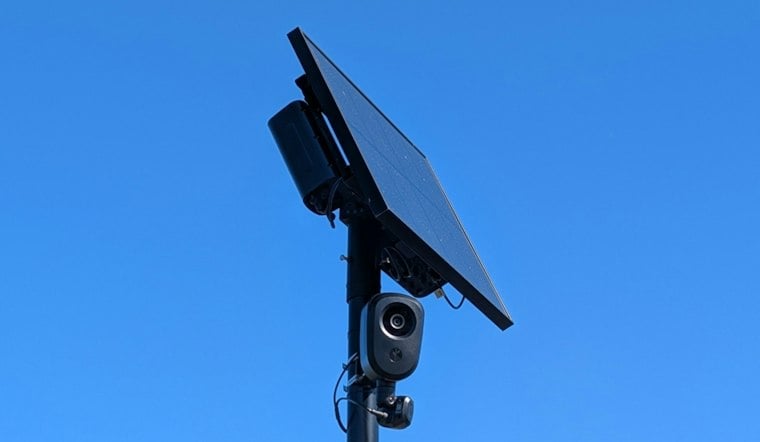
Officials say the pattern had a specific starting point: FOX 13 Tampa Bay reports Scott began misusing the Flock automated license plate reader system against his estranged wife on Valentine's Day. The outlet also reported that many of the searches happened while Scott was off duty, and that he gave false reasons for the inquiries when questioned.
Resignation, Arrest and Charges
Scott resigned Wednesday, one day before deputies arrested him Thursday morning, per the same account from Fox 13. He now faces three counts of unlawfully accessing a computer system and one count of official misconduct, with bail set at $20,000, the station reported.
At Thursday's press conference, Gualtieri framed the case as a failure of individual conduct rather than a flaw in the technology itself. As reported by IONTB, the sheriff said, “This is a people problem and not a 'Flock problem' or an ALPR problem.”
Sheriff Promises More Random Audits
Gualtieri said the agency will continue enhanced auditing going forward, including monthly random checks of the three automated license plate reader systems it operates through Flock, Axon, and Motorola, per IONTB's reporting. Fox 13 noted that audits of agency computer systems have become more routine as FLOCK activity has expanded across the department.
The sheriff has addressed this kind of misuse before. In comments reported by Bay News 9 regarding an earlier case, Gualtieri said the office was reconsidering how it monitors searches, including random checks and flagging unusually frequent searches of a single license plate, telling reporters, “We need to do random checks.”
Not an Isolated Case in Pinellas
Scott's case follows other recent allegations of database misuse within the Pinellas County Sheriff's Office. According to WTSP, former deputy Travis Stanton was accused of using several databases to gather information about a 17-year-old girl and her vehicle, and was charged with computer-access and official-misconduct offenses.
In a separate case from this fall, a former deputy — identified as Carl Gwynn by Bay News 9 and as Karl Gwynne by WUSF — was accused of using the Flock camera database and other law enforcement tools to search for a woman he was pursuing. WUSF reported a total of 381 searches across five law enforcement databases; the two outlets differ on the spelling of the former deputy's name.
Taken together, the cases point to a recurring vulnerability inside the agency's own technology, one Gualtieri has acknowledged directly. He has indicated the sheriff's office will monitor for misuse and take appropriate action whenever it is found, a commitment now being tested as the agency expands its random audit program across all three of its license plate reader platforms.




