

























































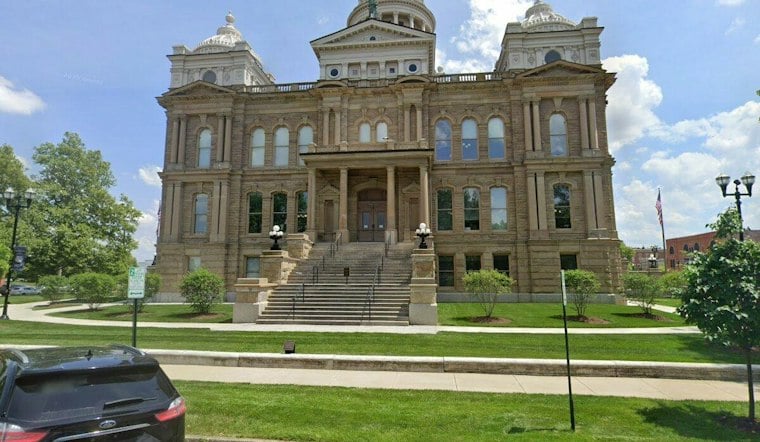
Piqua residents headed to the polls Tuesday facing an unusual task: casting two separate ballots in two separate elections, one of them a special recall vote targeting three city commissioners over their support for a proposed data center. Voters wishing to participate in both the general election and the recall had to check in twice, show identification at each check-in point, and finish one ballot before receiving the other.
The recall targets Mayor James D. Vetter, Ward 3 Commissioner William Frederick Walker Jr., and Vice Mayor Frank DeBrosse, who represents Ward 5, according to the Dayton Daily News. All three commissioners have publicly supported building a data center in Piqua, a position that became the flashpoint for the recall effort, per WYSO. The resident group behind the recall filed its petition on Sept. 10, the station reports.
Piqua residents voiced concerns about the proposed data center, including worries over its environmental impact on local water and quality of life, according to WHIO TV. Some residents have also accused the commissioners of ignoring their objections and failing to adequately address public health, safety and welfare issues, per the same WYSO report.
A Ballot With Six Questions
The special-election ballot included six separate questions covering the recalls themselves and potential successors for the three commissioners, according to Miami Valley Today. The sample ballot asked voters whether to recall each of the three city commissioners, WHIO TV reported. Voters wanting to cast an absentee ballot by mail for the recall had to submit a separate application specifically for that election, the station notes.
Nathan Hughes, a Piqua resident quoted by WHIO TV, said the recall lets residents make their voices heard and oppose secrecy, describing the vote as a way to take residents’ voices back. Hughes urged people to vote, the station reported.
Turnout Lagged Behind the General Election
Early voting numbers told a lopsided story heading into Election Day. As of Nov. 2, 26% of registered Miami County voters had cast a ballot in the general election, compared with just 8% of Piqua special-election voters who had voted early, according to Miami Valley Today. By that same date, 1,036 ballots had already been cast in the Piqua recall, with 952 submitted in person and 84 by absentee mail, the outlet reported.
Miami County as a whole had received 20,543 early general-election ballots as of Nov. 2, with another 800 outstanding and due by 7:30 p.m. on Election Day, per Miami Valley Today. WHIO TV reported that 15,289 Miami County residents had voted as of Tuesday, and that the Piqua special election had received 497 votes as of Wednesday, though the station did not detail how that later figure was calculated.
Busy Day at the Polls
Christina Panagouleas-Stephens, reporting for WHIO TV, said voter numbers were exponentially greater than at the previous gubernatorial election, and described the county board of elections as busy less than a week before the vote. She said the standard voting process requires residents to present ID, check in at a poll pad, receive a ballot, cast it, and then submit it by placing it in a scanner. Laura Bruns, also quoted in the WHIO TV report, said voters wishing to participate in both elections must check in separately for each one.
WHIO TV reported it had not received a response from the three commissioners facing recall. Under Ohio law, a recall question cannot be put before voters until the officer in question has served at least one year of the term from which they are being recalled, according to the Ohio Revised Code.




