

























































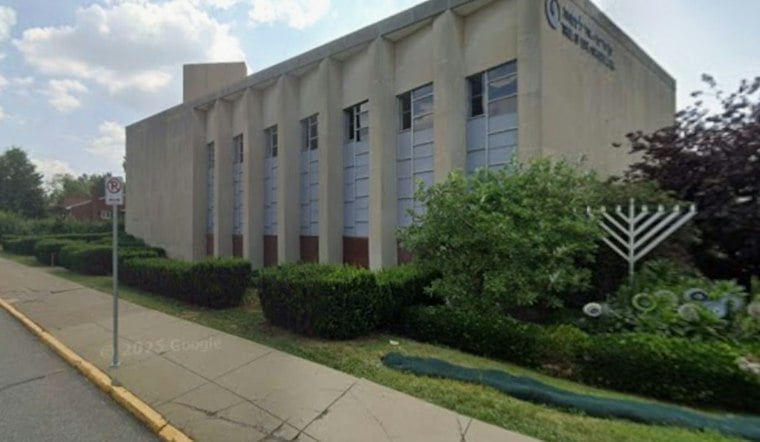
Attorneys for Robert Bowers, the man convicted in the 2018 mass shooting at Pittsburgh's Tree of Life synagogue, are asking a federal appeals court to throw out his death sentence and order a new sentencing hearing. Bowers's lawyers presented their case before a three-judge federal appeals panel, arguing that juror selection problems and questions over his restraint during trial tainted the proceedings that sent him to death row.
Bowers is currently awaiting execution on federal death row in Terre Haute, Indiana, according to CBS Pittsburgh. He was convicted in June 2023 on all 63 charges stemming from the October 27, 2018, shooting that killed 11 worshippers, and a jury unanimously sentenced him to death on August 3, 2023, as reported by Israel National News. In a 500-page motion submitted this month, Bowers's federal public defenders raised 16 issues they say warrant a new sentencing phase, per the same outlet's reporting.
Juror's Background Reviewing Executions in China Under Scrutiny
Central to the appeal is a juror who immigrated from China and was seated at trial despite, according to the defense, having worked reviewing policy in China and monitored at least one execution. Bowers's defense argued the juror could be seen as favoring the death penalty over life without parole, raising the question of whether she was biased, according to Israel National News. Prosecutors disputed the claim that the juror had acted as executioner.
The appeal also challenges the jury selection process more broadly, arguing that some jurors were improperly excluded while another was wrongly accepted. Lawyers for Bowers contend they weren't given enough time to make the case against the prosecution's jury picks, a complaint detailed by JNS.org.
Shackling and Hate-Crime Charges Also at Issue
The defense argued that Bowers was shackled around his ankles during the penalty phase and that the shackles could have prejudiced the jury, contending a hearing should have been held on why they were necessary. Separately, CBS Pittsburgh reported that Bowers was unrestrained during trial, while Israel National News described a defense argument that shackling unfairly prejudiced the jury — accounts that differ on when restraints were used. Prosecutors cited evidence that Bowers became aggressive and bragged he could disarm a federal marshal.
Bowers's defense also argued he was incorrectly charged under hate-crime law because it applies to race but not religion. Assistant U.S. Attorney Jenea Lamar countered that Jewish people constitute both a religion and a race, telling the court Bowers murdered people because they were Jewish. A federal statute, 18 U.S.C. § 249, lists offenses involving actual or perceived race, color, religion, or national origin among its hate-crime provisions.
Defense Concedes Harm While Survivor Hopes Sentence Stands
Federal public defenders conceded that Bowers caused profound and irreparable harm, but his defense said they hope he will spend the rest of his life behind bars rather than face execution. Bowers's attorneys sought vacation of his death sentence and a new sentencing hearing, with the three-judge panel now set to decide the matter.
Audrey Glickman, who survived the attack by burying herself under laundry in a storage room and lost friends in the shooting, said everyone convicted has the right to appeal. But she told CBS Pittsburgh she hopes the judges do not vacate the sentence, saying she prefers Bowers remain on death row rather than serve a life sentence. Federal prosecutors now have 90 days to file their response to the appeal, according to Israel National News.




