

























































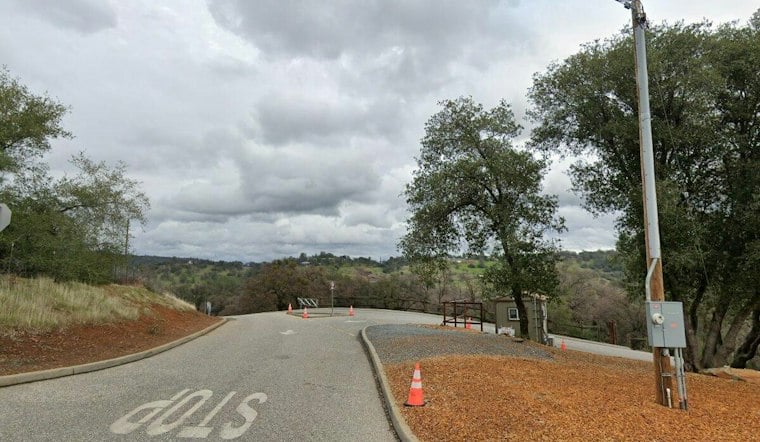
A 525-acre stretch of oak woodland and cattle ranchland northwest of Auburn could be protected from development forever under draft agreements the Placer County Board of Supervisors voted to approve on Tuesday. The property, known as Harvego Bear River Preserve Phase 2, sits near the Auburn Valley Country Club community and is currently zoned for about 128 homes. Instead, county officials and a local land trust want to keep it as grazing land and wildlife habitat.
Placer Land Trust has agreed to purchase the property from Harvego Real Estate LLC for $8 million, a price that comes in below its appraised value of $8.13 million, according to the Sacramento Bee. The purchase and a companion conservation easement would be finalized together, with Placer County and the Placer Conservation Authority holding the easement and the authority to enforce its use restrictions once the deal closes.
The county's own page on the project confirms the board's action, stating that it approved a resolution authorizing a purchase and sale agreement to acquire a conservation easement on the property, known as Harvego Bear River Preserve Phase 2. The funding plan described by the Sacramento Bee's report relies on multiple sources: a proposed California Wildlife Conservation Board grant that would cover $5.2 million of the purchase, $2.8 million from the sale of the conservation easement to the county and the Placer Conservation Authority, $1.8 million from the authority's development fees, and $1 million from the county's tree preservation fund. The wildlife board grant has not yet been awarded, per the same account.
What the Easement Would and Wouldn't Allow
The proposed conservation easement would permanently prohibit development on the land while protecting wildlife habitat, oak trees and existing ranching activities, the Sacramento Bee reports. Livestock grazing and ranching operations could continue under an approved management plan, and Placer Land Trust would be allowed to maintain existing roads, fences and water systems. The deal would not turn the property into a public park with unrestricted access, nor would the easement rights be transferable to other properties.
Instead, limited public engagement would come through scheduled programming. Placer Land Trust could organize guided walks, hikes and educational tours for groups of 10 to 20 people, holding up to five such tours annually and generally no more than one per month, the outlet's report states. The draft agreement would also allow limited hunting through the California Department of Fish and Wildlife's share program, with hunters selected by public drawing and the land trust coordinating dates and access rules with the state wildlife agency. Cultural activities for local tribes and Indigenous community members — including education, ceremonies and cultural burning — are also permitted under the draft agreement, as is wildlife habitat restoration, scientific research and wildfire risk reduction work.
Connecting a Larger Conservation Corridor
Phase 2 adjoins other protected land and would connect more than 7,000 acres of protected land and grazing areas stretching between the Bear River, Raccoon Creek and Hidden Falls Regional Park, according to the Sacramento Bee's reporting. The property itself sits within the Bear River watershed and is mostly covered by blue oak woodlands and grasslands, providing habitat for species including the foothill yellow-legged frog and western pond turtle.
Shanti Landon said the preservation effort would safeguard natural heritage and ecosystems for future generations, per the newspaper's account. Once finalized, the property would become part of the Placer County Conservation Program's reserve system, which the program notes has protected 9,223 acres to date as it works toward a goal of conserving 47,300 acres of wildlife habitat, wetlands and agricultural land. County planning documents describe the broader Placer County Conservation Program as covering approximately 201,000 acres of Western Placer County.
Who Would Manage the Land, and Who Pays
Under the structure described in the Sacramento Bee's report, Placer Land Trust would own the property after the purchase closes and would manage it day to day, while the Placer Conservation Authority would oversee conservation compliance and annual reporting. Future management and monitoring costs would be funded through the conservation program's operations and maintenance fund along with a separate long-term funding source, and the arrangement is not expected to create additional ongoing costs for the county's general fund.
The deal echoes an earlier conservation effort just up the road. The original Harvego Bear River Preserve has been protected since December 2010 through a public-private partnership between Placer County, The Trust for Public Land and Placer Land Trust along with private donations, according to Placer Land Trust. That property is described by the land trust as 1,778 acres of blue oak woodland and riparian habitat, though a separate county page puts the figure at 1,773 acres — the two sources don't agree on the exact number. The existing preserve is a working cattle ranch with more than three miles of Bear River frontage, and the land trust has said it was working with the county on a management plan meant to accommodate public access and develop a trail system, though the preserve was described as not yet open to the public as of that writing.
California law treats these kinds of protections as durable legal instruments rather than informal promises. Under Section 815.1 of the California Civil Code, a conservation easement is defined as a limitation in a deed, will or other instrument, taking the form of an easement, restriction, covenant or condition, that is executed by or on behalf of the landowner and binds the land itself — meaning the restrictions would be expected to stay in place regardless of future ownership.




