

























































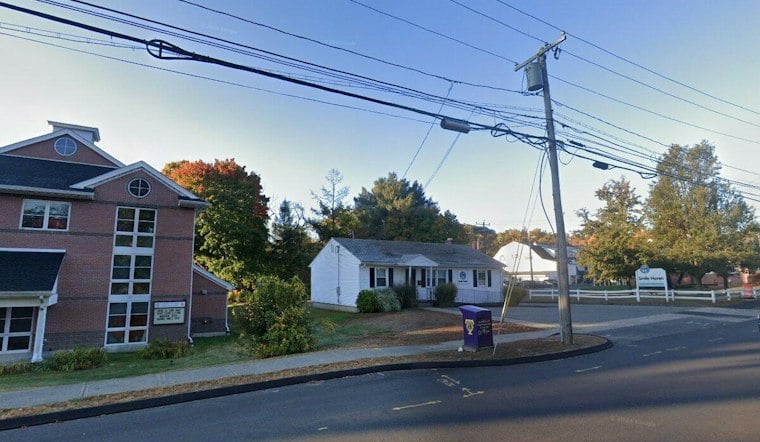
A call for an unconscious man in Plymouth, Connecticut, that would normally draw an ambulance in about eight minutes instead took half an hour this week, and local EMS officials say a staffing shortage is to blame. The man who needed treatment is now recovering in the hospital, but the delay has pushed the department to speed up recruitment efforts it already had underway.
An Eight-Minute Wait Becomes Thirty
Plymouth EMS officials told WFSB that a massive shortage is causing delayed responses to emergencies across the department's coverage area. The call that drew the most attention this week involved an unconscious man who needed hospital care; what was normally an eight-minute wait time turned into a half hour, according to the station's report. Plymouth Volunteer Ambulance Corps Chief Norm Whitehurst said delays can be devastating, especially in cardiac arrest calls, and noted that a cardiac-arrest call that same day would have faced a 30-minute delay in getting an ambulance there.
The department currently has 30 volunteers, per the same account, and officials say more manpower would let Plymouth EMS run two ambulances instead of stretching its current staff thin. Additional personnel would also improve response times and, according to officials, potentially save lives.
Recruiting Through Cheaper Classes and Classroom Visits
Plymouth EMS began teaching its own EMT courses last year in hopes of attracting new candidates, the station's report notes. The department also dropped its course fee from $1,200 to $950, a change officials say has drawn more interest from potential volunteers. Five to ten spots remain open in the current course, according to the report.
Looking ahead, Terryville High School students are scheduled to begin visiting the department and riding along with EMTs starting in January, a recruitment push aimed at younger residents. Connecticut requires EMT applicants to be at least 16 years old, according to the Connecticut Department of Public Health's EMS training manual, meaning some of those students could eventually qualify for the program themselves.
A Shortage Felt Statewide
Plymouth's struggle fits into a broader pattern across Connecticut. A statewide analysis covering more than 730,000 emergencies in 2024 found that rural towns averaged a 9.74-minute response time compared with 8.03 minutes in suburban towns and 7.02 minutes in urban areas, according to EMS1. The same analysis counted 2,416 reported instances of a staff delay statewide in 2024, and found Connecticut had 20,735 licensed EMS personnel that year, a drop from 2022.
Volunteer departments serving Connecticut's more rural towns have particularly struggled to recruit, according to CT News Junkie, which reported that providers have pointed to staffing shortages, rising costs, and flat or declining insurance reimbursements as the root of the system's strain. One town, Coventry, responded by merging two volunteer fire departments and eliminating one of its ambulances just to maintain around-the-clock coverage.
Statewide figures collected by CT Mirror show the scale of the pressure on providers. Forty-one EMS providers saw their active crew numbers shrink from 2020 to 2022, even as mutual aid calls jumped 33 percent, from 4,887 in 2021 to 6,515 in 2022, according to CT Mirror. Call volume climbed over the same period too, with providers statewide handling as few as 55,000 emergencies in April 2020 and as many as 83,000 in December 2022. The outlet also reported that Connecticut's average response time across towns was about nine minutes in 2022, though some towns, like Washington, averaged close to 19 minutes.
For now, Plymouth officials are betting that cheaper classes, open course spots, and a new pipeline of Terryville High School students will help rebuild the volunteer base before the next half-hour wait turns into something worse.



