

























































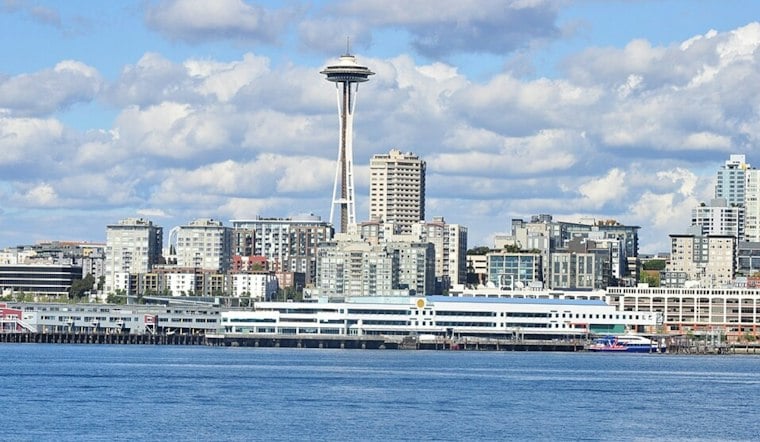
The Port of Seattle Commission voted 5-0 to raise its 2027 property tax levy by 8.2%, pushing collections from $90.2 million to $97.6 million without putting the decision before voters. The vote also locked in a $1.4 billion overall budget for the agency that runs Seattle-Tacoma International Airport, cruise terminals, fishing and recreational marinas, and cargo operations across the region.
According to The Center Square, Washington state law allows the commission to raise property tax collections by up to 1% annually, and commissioners used that authority again this cycle rather than asking the public to weigh in directly. The Port's share works out to roughly 1.1% of all King County property tax revenues, which are expected to hit $8.5 billion this year, per the same report. With King County's median assessed home value at $887,000 in 2026, the increase adds about $8 to the typical homeowner's annual tax bill, pushing it to $95 — though an earlier account from seatacnoise.info put the median annual cost at $88 with an increase of about $8, a figure that does not exactly match the Port's own $87-to-$95 estimate.
Commissioners Defend a Modest Bump
Commissioner Ryan Calkins described the increase as modest, even while acknowledging it would strain families and businesses already stretched thin. He pointed to existing tax relief programs as a cushion for those affected, The Center Square reported. Calkins also framed the levy approach as a way to generate $67 million in additional capital capacity over the next decade for maritime projects, additional capacity that will take the form of cash rather than new borrowing.
The levy increase is intended to provide additional cash for capital projects. Chief Financial Officer Chris Wimsatt called bonds the primary workhorse of the Port's capital financing, even as the levy increase is meant to ease reliance on debt. Port bonds are still projected to make up 34.4% of the Port's funding sources next year, and borrowing already amounts to about $870 million.
Where the Money Is Headed
Most of the new levy money is earmarked for maritime capital work, including Terminal 91 electrical upgrades, mooring dolphins, bulkheads, and renewal projects at Salmon Bay and Pier 69, the same postgame report notes. None of the new funding was allocated for airport community relief, per that account. More broadly, the levy is intended to support waterfront construction, environmental cleanup, and debt service, while the commission chose not to earmark the additional $7.4 million for any particular purpose.
Under the plan, the Port will collect 80% of its maximum allowable tax levy for next year, up from a smaller share previously, while the cap on general-obligation debt service is moving down from 75% to 70%. An October account from seatacnoise.info had already flagged that the levy was set to climb from 75% to 80% of capacity, consistent with the final figures adopted this month.
A Hearing Marred by Technical Trouble
The November 23 meeting before the commission voted was disrupted by internet problems that repeatedly interrupted the livestream, forcing Calkins to call a recess so listeners could actually follow the discussion. Commissioner Fred Felleman said commissioners themselves had received several budget and levy briefings ahead of the vote, but argued the public had not gotten the same opportunity because of the connection issues. The same seatacnoise.info postgame piece noted this was the first year since 2016 that levy alternatives were not discussed in public before a vote.
The Bigger Financial Picture
The 2027 budget itself increases spending 7.1%, or $92.9 million, compared with the 2026 revised budget, with planned cash payments rising to $2.45 billion. Beyond the property tax levy, the Port collects roughly $410 million from airport and rental-car fees, Northwest Seaport Alliance distributions, grants, and interest, according to The Center Square's reporting. Despite the levy bump, the Port may still turn to bonds to finance future needs, since Wimsatt's own characterization of debt as the system's workhorse suggests borrowing isn't going away.
For context on what more aggressive borrowing can cost a smaller jurisdiction, seatacnoise.info's October postgame report pointed to nearby Des Moines, which issued $25 million in bonds three years earlier. That city took a credit downgrade for the borrowing and will be paying more than $1 million a year for the next two decades, the report noted — a comparison the site used to illustrate the stakes of leaning too heavily on debt rather than levy revenue.





