

























































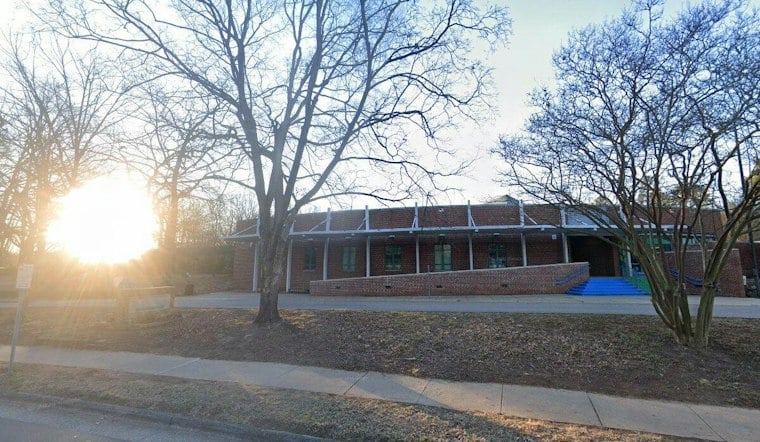
At Douglas Magnet Elementary School in Raleigh, a fourth grader named Eliot Barber is navigating hallways, classrooms and recess with a new kind of independence. Eliot has cerebral palsy, and a power wheelchair is helping him get around campus on his own terms, carving out a freedom that was harder to come by before.
According to CBS 17, Eliot is gaining that independence with the help of the power chair, and school physical therapist Diana Hogg plays a central role in making it work day to day. Hogg helps Eliot navigate the building and also works directly with school staff, training them on how the wheelchair operates so he has support throughout his school day. As the station reports, her job includes efforts to train the staff at school about the power wheelchair.
One of 25 Therapists Serving Wake County Schools
Hogg's role is part of a larger team: she is one of about 25 physical therapists who work for Wake County Public Schools, per the same CBS 17 report. That staffing detail underscores just how much coordinated, specialized support goes into helping a single student move safely and confidently through a school building every day.
Eliot's communication needs add another layer to that planning. He uses an eye-gaze device to communicate, the station notes, which makes where he is positioned in the classroom especially important for interacting with teachers and classmates. Getting his wheelchair placement right isn't just about mobility — it's about making sure he can take part in lessons and conversations alongside his peers.
Weekend Soccer and a Life Beyond the Classroom
The independence Eliot has found at Douglas Magnet Elementary extends well beyond the school day. He plays on a power-chair soccer team on the weekends, the report states, giving him a competitive, team-based outlet that runs parallel to his school routine.
Eliot's story also points to a broader landscape of support available to families across the state. The North Carolina Assistive Technology Program provides assistive technology services statewide to people of all ages and abilities, according to a resource page from projectaccessdurham.org. The program offers device demonstrations, short-term device loans and reutilization of assistive technology, the resource notes, and its Reuse program and Exchange List are described as available to anyone in the state of North Carolina with a need for equipment.





