

























































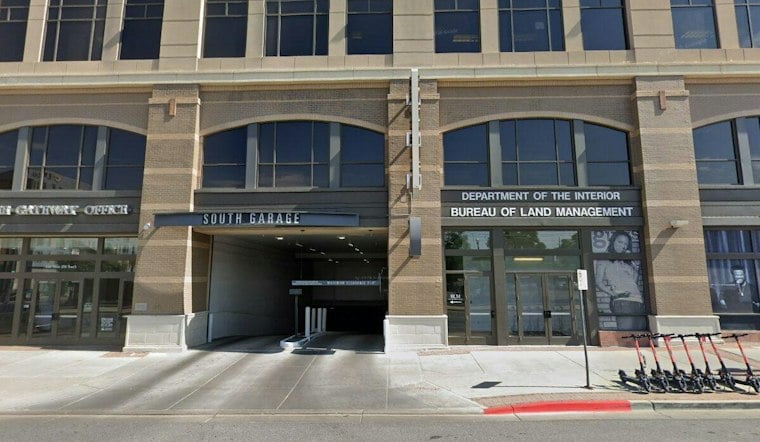
A sprawling proposal to build a nuclear-powered data center campus on more than 9,000 acres of federal land near Price is drawing scrutiny not just for its scale, but for the financial ties of the Trump administration officials overseeing it. Legal experts told ProPublica that investments held by those officials in artificial intelligence companies raise ethical questions even as the administration pushes to expand data centers on public land.
The company behind the plan, Valar Atomics, wants to build what it calls Project Beehive on Bureau of Land Management acreage in Carbon County, near Price, according to NPR. The project is pitched as an industrial campus that could include small, gas-cooled reactors alongside a data center and manufacturing facilities, as KSL.com reported in September. The BLM's Utah office said at the time it was still reviewing the application for completeness, not weighing approval of a finished plan.
Burgum's AI Portfolio Under the Microscope
An analysis of Burgum's 2026 financial disclosure estimated that between $18.1 million and $64.4 million of his holdings sit in AI companies. Burgum agreed under his Senate confirmation ethics agreement to resign his positions at Arthur Ventures, but he kept his financial interests in the firm.
Ethics experts told the same outlet that Burgum's investments appear acceptable under the criminal conflict-of-interest law, even though separate ethics guidance cautions against the mere appearance of a conflict. Ethics counsel Cynthia Brown told ProPublica that Burgum's support for data centers on federal land while holding AI investments could create exactly that appearance. The outlet also found that 380 of President Trump's political appointees or their spouses hold stock or other financial connections to Nvidia, underscoring how widespread AI-adjacent holdings are across the administration.
Data-center permitting has raised concerns about public participation. The administration broadly is pushing for more data centers to be built on public land, a priority that puts projects like Valar's squarely in officials' purview.
Permitting Timeline and Limited Public Input
Valar's own timeline called for nonnuclear construction to start as soon as the end of this year, with the first reactors coming online sometime in 2028, according to NPR. Before any of that can happen, the BLM said the process must include a Notice of Realty Action for the proposed lease, followed by detailed environmental analysis under the National Environmental Policy Act and opportunities for public comment, per KSL.com.
Valar's public affairs chief told the Salt Lake Tribune in October that the company expected to request a conditional use permit from Carbon County within about a month. Valar representatives' appearances at county and city meetings so far have not allowed public comments or questions, the Tribune reported — a notable gap given Valar's previous statements promising transparency and public input. Public hearings are likely in the coming weeks as the company formally seeks county permitting, and complaints about limited public input on the project have already surfaced. Axios reported that Valar did not respond to its query on the matter as of Nov. 6.
Utahns Are Skeptical of More Data Centers
The scrutiny arrives as Utah residents show broad unease about the data-center boom. A Utah State University survey of nearly 900 residents found that nearly 76% oppose or strongly oppose building more data centers in the state, the Salt Lake Tribune reported. Eighty-five percent of those surveyed said it was very important to have a public process allowing locals to weigh in on such decisions.
That skepticism has had real political consequences. Data-center backlash has been linked to Utah election outcomes in 2026. Two Box Elder County commissioners lost their seats.
Federal conflict-of-interest law and Burgum's ethics agreement have figured in discussion of his financial interests.





