

























































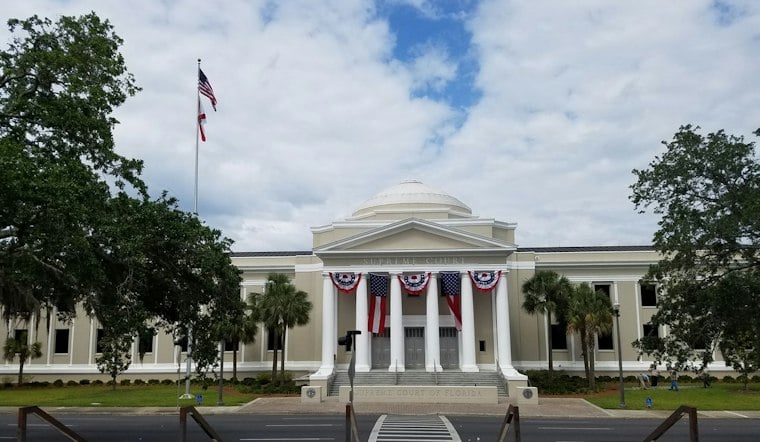
Publix is fighting its own insurance companies in front of the Florida Supreme Court, arguing it was left to cover major defense costs after being named in more than 60 lawsuits tied to the opioid epidemic. The grocery chain, which operates retail pharmacies across the state, claims several insurers failed to honor policies that were supposed to cover its defense and potential liability in those cases.
The fight began when Publix sued ACE Property and Casualty Insurance Company and other insurers in federal court, arguing their policies covered its defense and potential liability in the opioid lawsuits, according to WKMG. A federal trial court ruled for the insurers, and Publix appealed. Rather than resolve the state-law question itself, the 11th U.S. Circuit Court of Appeals asked the Florida Supreme Court in June to clarify what counts as “damages because of bodily injury” under the policies, a move that also sent a parallel question to Georgia's high court in a related case involving Bloodworth Wholesale Drugs, as reported by Law360.
Local Governments Say They're Footing the Bill
The underlying lawsuits came from local governments that sued companies including Publix, alleging their handling of opioid prescriptions contributed to addiction, overdoses and other harm. Those governments say they bore the costs of responding to the crisis, and Publix reportedly faces more than 60 such lawsuits, according to Courthouse News Service. The outlet reports the chain has incurred more than $6 million in defense costs fighting the claims.
Federal courts in both Florida and Georgia already sided with insurers at the trial level, concluding the underlying litigation did not seek damages “because of bodily injury” as the policies define it, Courthouse News reports. Insurers have argued, per court records, that government lawsuits seek reimbursement for broad public-service expenses rather than compensation for specific injuries — and separately told the outlet their policies simply don't cover economic losses that trace back to the opioid crisis.
What the Florida Supreme Court Must Decide
The question now before Florida's justices is narrow but consequential: whether government claims over the opioid crisis seek damages “because of bodily injury” as the insurance policies require. The court's answer will determine whether Publix's insurers must defend or cover the company in these lawsuits — but it will not determine whether Publix is actually liable for the harms alleged in the underlying cases, a distinction WKMG's reporting makes clear.
Outside advocacy groups have weighed in heavily. United Policyholders filed an amicus brief in September supporting Publix's position, arguing the policy requires a causal relationship between alleged bodily injuries and the damages sought, and that any ambiguity in the policy language must be construed in favor of Publix as the policyholder. The group separately argues that lawsuits seeking reimbursement for medical, addiction-treatment and other costs tied to opioid addiction and overdose do seek “damages because of bodily injury,” according to United Policyholders.
On the other side, the American Property Casualty Insurance Association and the Complex Insurance Claims Litigation Association filed amicus briefs this month backing the insurers. The two groups argue that public opioid-crisis response costs are too indirectly tied to bodily injury to trigger coverage, and that coverage shouldn't apply when a government's claim arises from the crisis's financial impact on public resources rather than from specific injuries. Covered damages, they contend, must be caused by or by reason of the alleged bodily injury itself.
A Growing Fight Beyond Florida
The stakes extend well past one grocery chain. The 11th Circuit noted that each state's appellate courts will ultimately be the final word on coverage for governments' opioid claims, and Law360's coverage ties the fight to a broader wave of public nuisance litigation now reaching policyholders in other industries entirely. Between 1999 and 2023, the number of opioid-involved deaths increased substantially, Courthouse News reports, underscoring why so many governments have sought to recover costs through the courts.
A similar battle has already played out in Arkansas, where an appeals court upheld an order requiring Walmart's insurers to defend the retailer in more than 2,400 opioid lawsuits, addressing defense costs rather than any settlement payments, according to Business Insurance. Walmart had sued its own insurers in November 2022, about a week before announcing a $3.1 billion framework to settle opioid claims brought by governments nationwide, the outlet notes. That Arkansas court found coverage could extend to damages suffered by people or entities who didn't directly suffer bodily injury themselves — a more favorable outcome for policyholders than what Publix has seen so far. Delaware courts, by contrast, had already declined to require insurers to defend Albertsons, Rite Aid and CVS in similar opioid lawsuits, and a federal judge in Florida issued a similar ruling against Publix before the case reached the appeals stage.




