

























































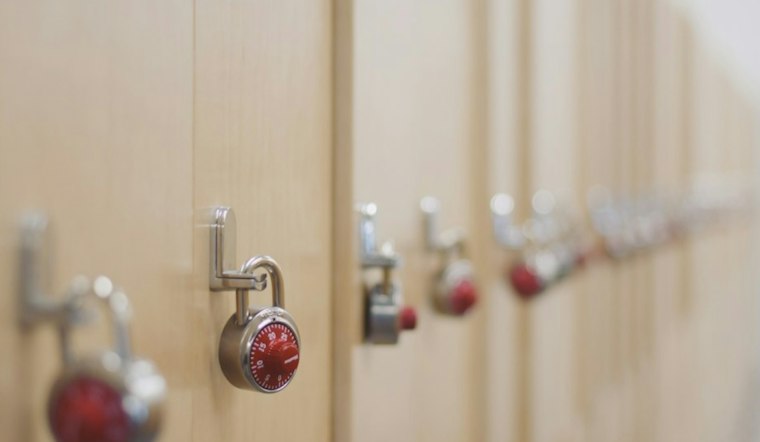
Pulaski County Special School District locker rooms will soon be equipped with audio recording devices, part of a statewide push by Arkansas schools to comply with a new law covering student privacy and safety in those spaces. The district is one of several across the state now moving, at varying paces, toward a hard deadline set by state lawmakers.
The plan was reported by The Arkansas Democrat-Gazette, which said the district intends to equip locker rooms with the recording equipment to comply with a state law passed last year. The underlying requirement traces to Act 908, which mandates that every public school district and open-enrollment public charter school in Arkansas install an audio-recording device in each locker room and changing room beginning with the 2027-2028 school year, according to the text of the legislation.
Act 908 does not stop at installation. The law also requires a conspicuous sign in each locker room and changing room notifying anyone inside that an audio-recording device is present, so students and staff know they are being recorded. It further bars schools from destroying a recording for at least 90 days and, with limited exceptions for alleged wrongdoing, generally prohibits keeping any recording longer than 12 months. Before a recording can be destroyed, the law requires schools to publish notice of that intent on their website at least 10 days in advance.
Who Can Actually Hear the Recordings
Access to the recordings is also restricted under the law. Act 908 specifies that a recording may be requested only by a school or charter-school administrator, or by a parent, legal guardian, or person standing in loco parentis, and only under the law's stated provisions tied to allegations of wrongdoing.
Pulaski County is not alone in scrambling to meet the mandate. A report from the Westside Eagle Observer in September found districts in varying stages of readiness. In the Gentry School District, the director of technology, Klae Beyers, was researching and testing devices that would best integrate with the district's existing systems, the paper reported. Decatur School District officials expected their changes to be completed in May or June of 2027, giving themselves a cushion before the fall deadline.
Districts Grapple With an Unfunded Mandate
Gravette Public Schools told the same outlet it had begun interviewing technology companies and making internal network improvements to reach all the areas that will need the additional equipment, while also working toward allocating school safety funds to cover the costs. That funding question looms over every district's planning: the Eagle Observer's reporting noted that the state allocated no additional funding to cover the cost of implementing the act's requirements, leaving districts to absorb the expense through existing safety budgets.
Some districts have moved faster than the law technically requires. White County Central School District installed its locker-room recording devices in October, well ahead of the 2027-2028 start date, according to KARK. The station reported that the devices there record continuously, but that only the superintendent and principals have access to the recordings, and they can use them only when a serious allegation is presented.
Texarkana Arkansas School District set its own early target earlier this year, aiming to have audio recorders installed in its locker rooms by July, the Texarkana Gazette reported in May. Together, the examples from White County Central and Texarkana suggest a pattern of districts choosing to get ahead of the state's timeline rather than wait until the deadline arrives.
What remains unclear for Pulaski County specifically is the timeline, the number and placement of devices, and the cost of the project, details not available in the district-specific reporting. As the 2027-2028 deadline approaches, more Arkansas districts are expected to detail their own installation plans in the months ahead.





