

























































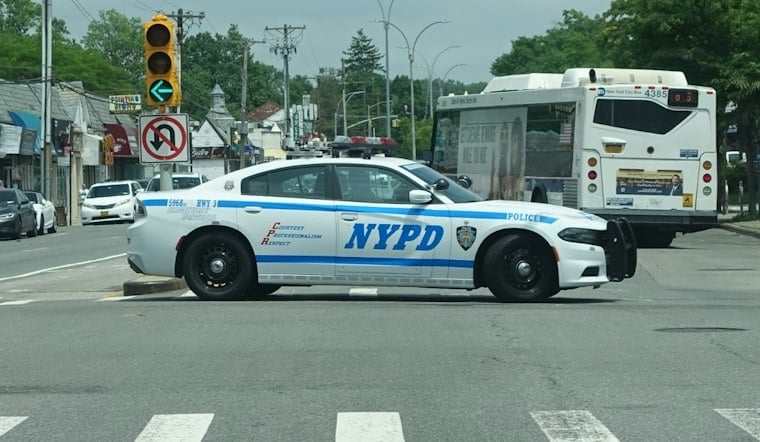
A man who went into cardiac arrest and crashed his car in Queens last month is alive today because officers refused to give up on him, according to the NYPD. The department says its officers performed CPR for more than 20 minutes at the scene, restoring the man's pulse before he was taken for further treatment.
The account comes from a post published Tuesday by NYPD News
, the official X account of the New York City Police Department, which is based in New York City. “A second chance at life thanks to our fast-acting NYPD officers!” the post reads, describing how “officers in Queens ran to help a man who went into cardiac arrest and crashed his car.” The post adds that they “performed CPR for over 20 minutes, restoring a pulse and saving the man's life.” The department's post does not identify the man, specify the exact location within Queens, or offer independent medical confirmation of his condition or outcome.
A Pattern of Fast Police Response Across the City
The Queens rescue follows other recent cases where New York City officers intervened during medical emergencies before paramedics arrived. In Brooklyn, an off-duty NYPD officer came upon an unconscious driver near 60th Street and Eighth Avenue in Sunset Park on a Sunday morning, according to ABC7 New York. Surveillance footage showed the officer running to the vehicle, putting it in park, pulling the driver out and starting CPR, the station reported.
Earlier in October, officers Douglas Zimmerman and Jesutofunmi Aregbesola responded in Astoria to a 1-month-old boy who was not breathing and had no pulse, according to NY1. The outlet reported that the infant was breathing again less than two minutes after the officers arrived.
Why Fast Intervention Matters Citywide
These rescues stand out against a broader backdrop of strained emergency response in New York City. A report examining FDNY data found that firefighters and medics revived just 20% of all cardiac-arrest patients in fiscal 2024, the lowest rate since the department began tracking the statistic more than a decade ago, according to Yahoo News. The FDNY measures that success as the sustained return of spontaneous circulation, or steady heartbeats, by the time a patient reaches the hospital, per the same report.
The outlet also reported that average FDNY ambulance and fire-company response time to life-threatening medical emergencies was 10 minutes and 3 seconds in fiscal 2024, up 13 seconds, or 2.2%, from the year before. Responders handled 633,361 of those life-threatening emergencies that year, including 30,038 cardiac arrests or choking incidents combined, the report found. The FDNY has said the city's 20% cardiac-arrest survival rate is similar to the national average for EMS crews.
Against that backdrop, the Queens incident adds to a string of cases this fall in which officers reached people in crisis and began lifesaving efforts on their own, before an ambulance could take over. The NYPD has not released further details about the man's identity or his condition following the crash.





