

























































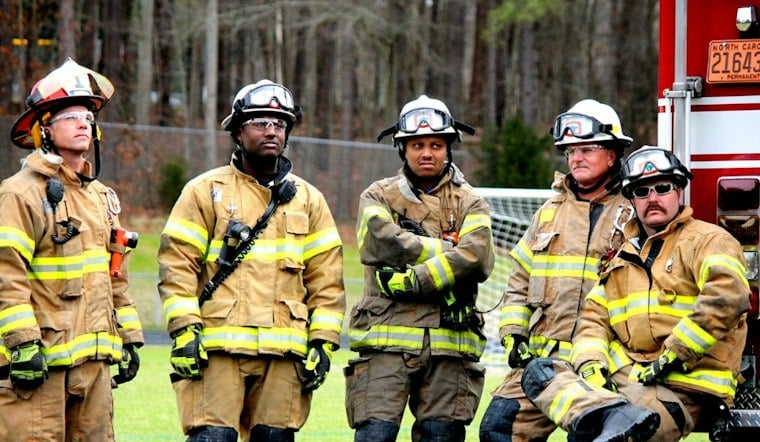
Raleigh firefighters currently work under a scheduling model that averages 56 hours a week, a structure Local 548 President Caleb Lewis says is more than 50 years old. Lewis is now calling for the city to modernize that schedule by adding a fourth shift and moving to a 42-hour workweek, arguing that the city and the profession have changed dramatically since that scheduling model was put in place.
A Union Leader's Case for Change
Lewis, who leads Local 548, said the proposed schedule change would recognize firefighters' workload, their sacrifices, and the time they lose with family, according to the Raleigh Professional Fire Fighters Association. He also said the city gets a trained, experienced professional firefighter willing to work additional hours for just over $41 an hour, and that he considers the resulting overtime a bargain given that the city has already paid for that firefighter's training, equipment, and benefits. Lewis frames overtime as one of the ways firefighters keep an understaffed system functioning, even as Raleigh asks its crews to work many hours under the current model.
The push comes as Raleigh's overtime spending is running hot. The city had used $1.2 million, or about 55%, of its nearly $2.2 million firefighter overtime budget in just the first quarter of fiscal year 2027, which runs from July 1, 2026 to June 30, 2027, according to the News & Observer. That pace is actually slower than the year before, when the city had spent over 60% of its overtime budget by the same point, the newspaper reported.
Staffing Gaps Behind the Overtime
Raleigh budgets for more than 550 firefighter positions, with roughly 17 currently vacant, a city spokesperson told the outlet. The City Council budgeted for 12 new firefighter positions this year, and the department currently has 13 recruits in its fire academy, per the same report. Lewis has previously argued the gap is far larger than that, telling Firehouse that a city Raleigh's size should have 150 more firefighters than it currently employs.
The staffing strain shows up in the numbers. In fiscal year 2025, Raleigh Fire Department employees worked 117,670.70 hours of overtime, costing the city $4,839,635.19 and leading all city departments on both measures, according to WRAL. The city has said public safety departments, including fire, police and emergency communications, account for 54% of all city overtime hours, and that overtime is offered to cover shifts and absences rather than required. The station also reported that the fire department has not added any new positions since 2014, despite the city's growth.
Call Volume Keeps Climbing
That staffing picture collides with a steadily rising workload. Annual incidents handled by Raleigh's fire department climbed from about 47,000 in 2021 to almost 62,000 in 2025, an increase of more than 30%, per the News & Observer. Call volume is projected to keep growing, from about 55,000 calls a year now to a projected 78,976 by 2050, WRAL reported in its coverage of the department's response-time data.
That same WRAL report found Raleigh Fire Department's first-arriving units met the National Fire Protection Association's four-minute response target only 54% of the time in 2024, and met effective response force targets just 48% of the time. The department's own fire master plan recommended hiring 18 more firefighters, according to the report.
How a Fourth Shift Could Work
Lewis's proposal would add a fourth shift to Raleigh's current rotation, moving crews toward a 42-hour workweek rather than the current 56-hour average. Fire departments elsewhere have been moving in a similar direction. FireRescue1 reported that departments nationally are increasingly shifting to four-platoon or D-shift systems, partly for their projected health and wellness benefits, with firefighters working 24 hours on duty followed by 72 hours off. One department's transition to that structure was driven by a collective bargaining agreement and followed a nine-month implementation timeline, though the outlet noted that adding a fourth shift can carry substantial costs, including hiring additional firefighters and making facility upgrades.
A similar structure has surfaced closer to home. A Polk County government notice stated that adding a fourth, or D-shift, would move firefighters to a 42-hour week on a 24-hours-on, 72-hours-off schedule. It is not established whether Raleigh has approved, funded, or begun implementing any version of the fourth-shift proposal Lewis is advocating, nor what such a change would cost or how long it might take.




