

























































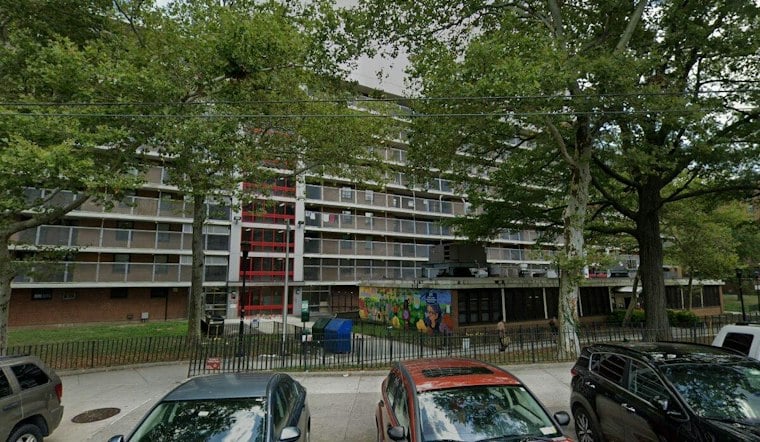
Staten Island has long been New York City's homeowner stronghold, but a new decade-long comparison of Census data shows renters quietly gaining ground in several of its neighborhoods, especially Stapleton and Charleston. The borough's overall owner-occupied share dipped slightly even as it kept its title as the city's most homeownership-heavy county.
The shift comes from a PropertyShark analysis that compared 2024 Census data against figures from 2014 across all five boroughs and 282 neighborhoods citywide, according to PropertyShark. The firm found that Staten Island added fewer than 5,700 occupied housing units over that decade, and roughly 3,500 of those new units, almost two-thirds, were rentals. As the New York Post reported, Staten Island was the only NYC borough where the homeownership rate declined over that span.
Stapleton and Charleston Lead the Renter Surge
Nowhere has the change been sharper than in Stapleton, where the share of renter-occupied housing jumped 22 percentage points to 77%, per PropertyShark's analysis. That was the largest renter-share increase among the neighborhoods highlighted in the study, and the total number of renter-occupied homes in Stapleton nearly doubled over the decade, according to silive.com.
Charleston saw the second-largest renter-share jump among all 282 neighborhoods PropertyShark studied citywide, with renters climbing to 39% of occupied housing there, the outlet reported. Midland Beach's renter-occupied share rose 13 percentage points to 29%, while in Manor Heights the trend ran the opposite direction, with owner-occupied housing rising 11 percentage points to 67%. Six of the ten NYC neighborhoods with the largest renter-share gains were on Staten Island, per the same report.
Why the Market Is Tightening
The borough's North Shore in particular has struggled with a supply crunch. Housing supply has not kept pace with population growth on the North Shore and across Staten Island, which has pushed up rents and kept vacancy rates low, according to a NYCEDC action plan. The agency reported that average rents for multifamily units on the North Shore run roughly 10% higher than the rest of the borough.
That squeeze tracks with vacancy data for the borough's northern neighborhoods: the share of vacant apartments there fell from 8.4% in 2019 to 4.4% in 2024, according to the NYU Furman Center analysis cited by Gothamist. St. George's population alone grew 16% over the prior 15 years, more than triple the citywide rate of 5%, per NYCEDC's report.
Still the City's Homeownership Capital
Despite the renter gains, Staten Island has not lost its crown. The borough's 2024 owner-occupied share stood at 68%, above the national rate of 65%, per PropertyShark, even as that figure ticked down from 69% a decade earlier. The borough remained the city's homeownership leader despite the slight decline.
Manhattan, by contrast, moved further from homeownership territory over the same period, with its owner-occupied rate rising from under 23% to 25%, per the Post's account of the PropertyShark figures. That shift adds context to why renters, including some priced out of Manhattan and Brooklyn, have been looking toward Staten Island.
Urby's Early Footprint on Stapleton's Waterfront
Much of Stapleton's renter boom traces back to Urby, the apartment complex built at the former Homeport Naval Base that opened its first building in 2016. By September of that year, the complex had already signed leases for its first 200 apartments, with about 160 residents living there, according to silive.com's reporting at the time. Urby CEO Dave Barry told the outlet that roughly 30% of residents then came from Manhattan, particularly downtown, while about 60% hailed from Staten Island itself, with the remainder arriving from Brooklyn, New Jersey and elsewhere.
City Officials Eye a Bigger North Shore Buildout
City officials have floated a broader vision for growth along the North Shore. NYCEDC's plan points to just a handful of completed housing projects along the North Shore over the past 15 years, including Urby and the 115 homes finished at Lighthouse Point, and notes that current zoning does not allow housing and mixed uses at sites like Empire Outlets and the former New York Wheel property, meaning any changes there would require rezoning through the city's public land-use approval process. The agency's projected timeline calls for beginning that review process in 2026, with construction on a first phase not expected to start until 2030.
Separately, a North Shore housing and economic development proposal unveiled in September 2026 by City Council Speaker Julie Menin and Council Member Kamillah Hanks calls for more than 5,000 new homes stretching from St. George to Stapleton, according to the Post. That plan, which reportedly draws inspiration from Jersey City and Hoboken, includes both rental homes and ownership options, and would allow apartment buildings up to 14 stories tall in areas where current zoning permits less height, per Gothamist's report. It remains a proposal, not a completed project.
For now, owners still outnumber renters in every one of the six Staten Island neighborhoods that saw the biggest renter-share increases, with Stapleton the lone exception, the Post noted. As PropertyShark's Laura McGregor put it, Staten Island remains an ownership stronghold even as its housing mix continues to shift, and she said the new North Shore proposals suggest that mix could keep evolving in the years ahead.




