

























































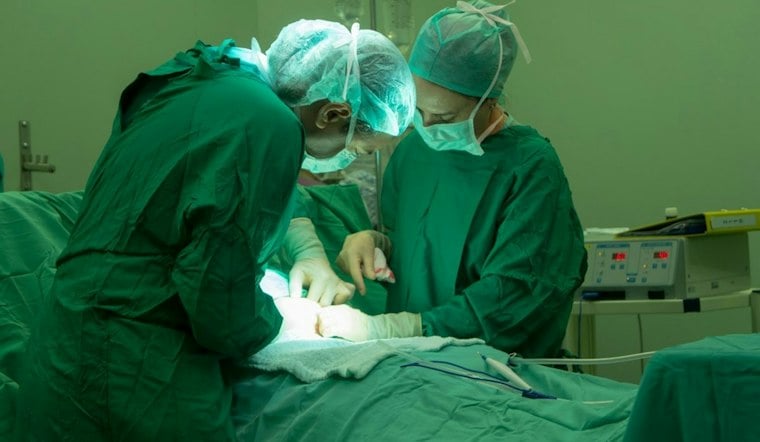
Evidence for transorbital approaches to skull-base tumors remains limited, and published results cover different patients and procedures. A systematic review cited in the article included 23 papers describing 31 tumors that were biopsied, removed or reduced; it also recorded 30 cerebrospinal fluid leaks, 28 of which were resolved successfully. The review authors called for stronger comparative research, according to the review published in World Neurosurgery.
A later meta-analysis cited in the article combined 11 observational studies involving 269 patients treated with an endoscopic transorbital approach. It reported a cerebrospinal fluid leak rate of 2.50%. The analysis had limitations, and these pooled findings are not a direct prediction of an individual patient’s outcome, according to the meta-analysis in Neurosurgical Review.
A separate retrospective study of 32 patients with sphenoid wing meningiomas treated with transorbital neuroendoscopic surgery at Gazi University from October 2019 to May 2023 reported an average hospital stay of 1.15 days. Of 30 patients with proptosis before surgery, 25 improved; the study reported no new eye-movement problems or vision loss, according to Neurosurgical Focus. That patient group and tumor type differ from the case described below.
A case in which surgeons chose an orbital route
The Albuquerque Journal reported that Presbyterian Hospital surgeons used transorbital neuroendoscopic surgery, or TONES, to reach a teratoma in the cavernous sinus of Kevin Puebla, a 21-year-old University of New Mexico student. The tumor had been removed when he was an infant, after which he underwent three craniotomies before his first birthday. Doctors found that it had grown again after an apparently undetected period of about a decade. Puebla developed frequent headaches in August and later noticed swelling on his head, according to the Journal’s report.
The Journal reported that Presbyterian neurosurgeon Dr. Michael Ortiz and otolaryngologist Dr. Juan Carlos Yanez-Siller considered another craniotomy risky because of scar tissue from Puebla’s prior operations. A pterional craniotomy would require opening the side of the skull and moving brain tissue to reach the tumor. The surgeons also weighed possible cerebrospinal fluid leakage, injury or stroke affecting speech or right-side movement, and damage to the temporalis muscle that could cause jaw difficulty, pain or visible changes. These risks and the treatment discussion are based on the Journal’s reporting, not independent interviews conducted for this article.
How the operation was performed
On Oct. 14, the team made an incision in Puebla’s left eyelid and shifted his eye slightly to create access to the skull base. Surgeons removed a small amount of bone and used endoscopes and other instruments to reach the cavernous sinus. They placed fat taken from his abdomen behind the eye to close the opening and reduce the chance of a cerebrospinal fluid leak. The Journal reported that the operation lasted about five hours, including preparation, and that the surgeons limited contact with the brain.
Yanez-Siller had studied TONES at conferences and on cadavers before operating on Puebla, who was his first living patient for the procedure. The Journal reported that Ortiz said the operation was New Mexico’s first TONES procedure. The technique was proposed at an otolaryngology conference in 2007, with interest growing in the years before Puebla’s surgery, according to the same Albuquerque Journal account.
Recovery and remaining risks
The Journal reported that Puebla left the hospital less than 24 hours after surgery. He had swelling and light sensitivity, and it took several weeks for him to open his jaw fully. He resumed online classes the following Monday, attended in person by Thursday and passed a midterm on Friday. The report also described potential TONES complications, including light sensitivity, irritation of chewing muscles and nerves, eye-movement problems and vision loss.
Puebla’s case demonstrates how surgeons applied the approach in one patient; it does not establish comparative safety or effectiveness. The research cited here includes small or observational studies and different procedures and patient groups. The details of Puebla’s history, treatment decision and recovery remain reliant on the Albuquerque Journal’s original reporting.





